

Suppliers of Consumer Electronics in Lagos, Nigeria

Suppliers of Consumer Electronics in Lagos, Nigeria
Constant innovation and development are the only ways for businesses to keep ahead of the competition in this cutthroat industry. With plenty of emerging opportunities in this sector, it is a great time for you to enter the consumer electronics market as an industrialist or an entrepreneur. In Nigeria, there is a growing demand for consumer electronics due to rising standards of living and increasing incomes. Furthermore, digital transformation has led to changes in primary business activities and sales channels. These developments have created additional opportunities for new entrants into the consumer electronics market.
Consumer Electronics in Nigeria
Nigeria’s growing demand for consumer electronics due to rising standards of living has resulted in new industry growth opportunities. The country will see an increased demand for consumer electronics, including mobile phones, audio equipment, digital cameras, display devices, and home appliances. The Nigerian government is expected to focus on creating an environment conducive to the growth of the consumer electronics industry by creating an enabling environment for the manufacturing and service sectors. Additionally, the growing number of middle-class consumers may expand demand for a wide range of consumer electronics within the country.
Types of Consumer Electronics in Nigeria
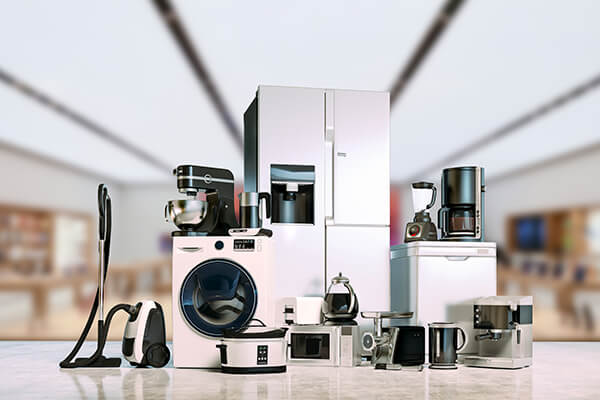
Mobile phones – Mobile phones are by far the most widely used consumer electronic product in Nigeria. They are used for communication and entertainment, and their penetration rate is very high. Audio equipment – Audio equipment includes audio players, such as CDs and MP3 players, and speakers for both home and portable use. Digital cameras – Digital cameras are used for taking photographs and storing images in digital form. Display devices – Display devices include computer monitors, television sets, and handheld computers. Home appliances – Home appliances include refrigerators, washing machines, and vacuum cleaners.
Market Size for Consumer Electronics in Nigeria
The Nigerian economy is projected to grow at a CAGR of 6.04% during the forecast period, which is expected to drive demand for consumer electronics. In terms of value, the consumer electronics market in Nigeria stood at $10.31 billion in 2018, and is expected to reach $17.47 billion by 2025. The increase in disposable income of the Nigerian people and the expansion of the retail sector are expected to drive demand for consumer electronics in the country.
Opportunities for Consumer Electronic Manufacturing in Nigeria
The popularity of online shopping is growing in Nigeria and is expected to result in greater demand for consumer electronics. The government is expected to focus on creating an environment conducive to the growth of the consumer electronics industry by creating an enabling environment for the manufacturing and service sectors. Moreover, the growing numbers of middle-class consumers are expected to expand demand for a wide range of consumer electronics within the country. However, the high cost of labour in Nigeria could be a challenge for companies that operate in the consumer electronics industry. Additionally, the low purchasing power of the average Nigerian consumer could hinder the growth of the market in some areas.
Challenges for Consumer Electronic Manufacturing in Nigeria
The high cost of labour in Nigeria could be a challenge for companies that operate in the consumer electronics industry. Additionally, the low purchasing power of the average Nigerian consumer could hinder the growth of the market in some areas. There is also a risk that the government might impose high taxes on imported goods or take other restrictive measures to promote the local manufacturing industry.
Key takeaway
The Nigerian economy is projected to grow at a CAGR of 6.04% during the forecast period, which is expected to drive demand for consumer electronics. The popularity of online shopping is expected to result in greater demand for consumer electronics, which is expected to provide significant opportunities for companies operating in the market. Moreover, the high cost of labour in Nigeria could hamper the growth of the market in some areas. The risk of the government imposing high taxes on imported goods or taking other restrictive measures to promote the local manufacturing industry could also hinder the growth of the market in the future. END






LEAVE A COMMENT
You must be logged in to post a comment.