
Why You Should Buy Coal Briquettes from Wigmore Trading Ltd
Talk to us about this service
Trade, import, logistics, sourcing — whatever you're planning, the fastest way to a quote is a WhatsApp message. Our team replies during Lagos business hours.
WhatsApp usYour message tells us which page you came from
Why You Should Buy Coal Briquettes from Wigmore Trading Ltd
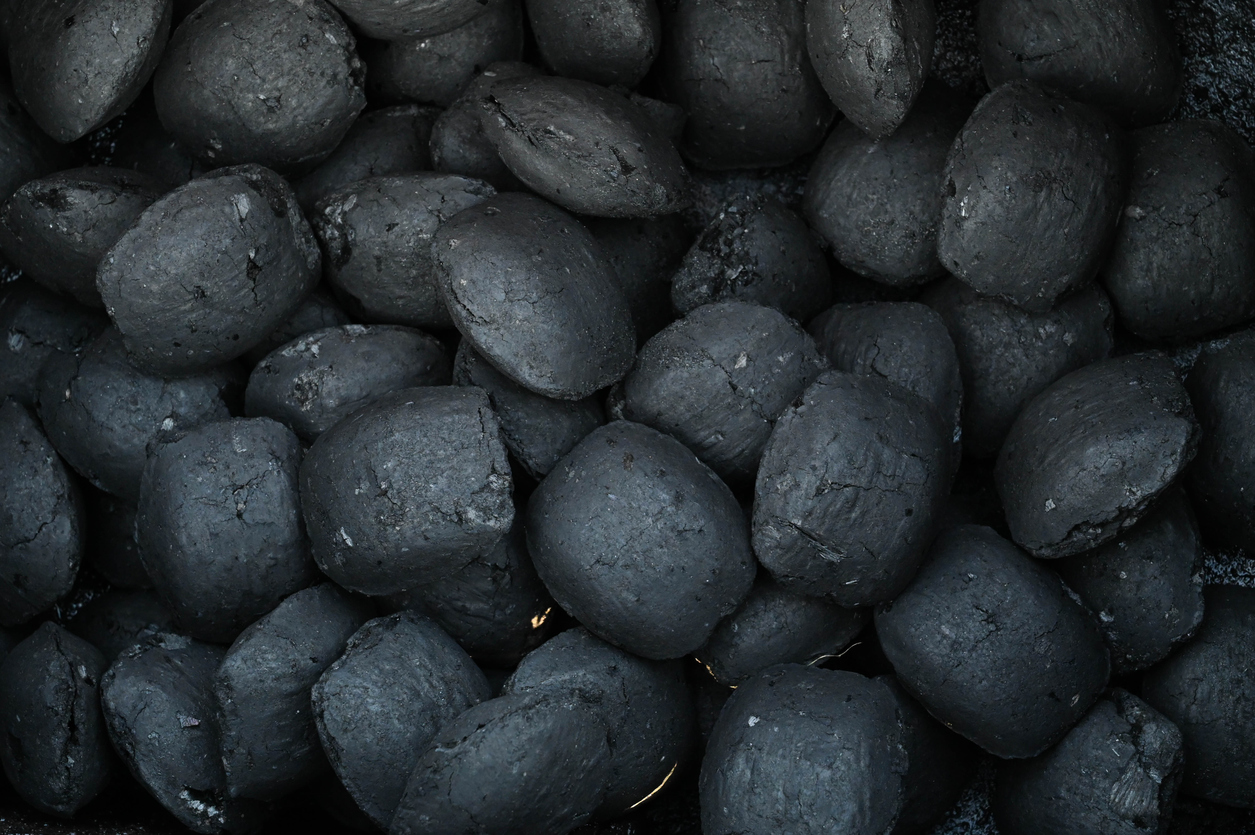
Coals are the mineral remnants of ancient plants that have been buried in the earth for a very long time. These dense and hard minerals are divided into three main subgroups based on their properties; lignite, bituminous coal, and graphite. Each of these types of coals has different properties and uses. Each type also has different chemical reactions when being burned. Coal briquettes are made by compressing raw coal. This process removes most of the moisture that would otherwise condense and cause the final product to be less efficient or even toxic if it’s used for indoor heating. Coal briquettes have many advantages over unprocessed coal, including better storage, handling, and combustion properties.
What Are the Different Types of Coals?
The three main types of coals are lignite, bituminous coal, and graphite. Lignite is the first type and has a very low BTU output. It is used in the production of electricity, as an additive in chemicals, in the production of natural gas, and for drying wood. Bituminous coal is widely used as a fuel source for electricity generation, for industrial heating, and for the production of coke for steel production. The third type is graphite, which is a very high-quality form of carbon used in a wide variety of products, including batteries and lubricants. The properties of each type of coal (e.g. lignite, bituminous coal, and graphite) vary considerably. They also have varying uses. The chemical reactions that take place when each of these types of coals are burned are very different. This is why each type has specific uses.
How Is Briquette Made?
Briquette is made by crushing the coal into a fine powder, adding a binder (such as a type of clay), and then compressing the mixture into a big block. The use of a binder makes the briquette easier to handle, store, and use. It also makes burning briquette more efficient, resulting in less ash being produced than would be the case with unprocessed coal. The process of making briquette is quite simple. Raw coal is crushed into a fine powder, mixed with other ingredients such as clay, and then compacted into cubes. The briquette is then allowed to dry. This process removes the moisture content. It also makes the briquette easier to handle and store.
Why Use It for Indoor Heating?
When you burn briquette, it produces less ash than unprocessed coal, making it easier to clean up after use. Briquette also produces less soot than raw coal, which means that it is cleaner to burn. When you buy briquette, it is usually much easier to control the rate at which the briquette burns than it is to control the rate at which unprocessed coal burns. Briquette burns more slowly than coal. This means that briquette can be used for longer than raw coal. Briquette does not produce as much carbon monoxide. This is why it can be used for indoor heating. This means that you can use it in controlled areas without worrying about poisoning yourself or your family. Briquette is also easy to control when being burned. You can easily put it out if you want to stop using it or if it starts to burn too quickly.
Other Important Uses of Briquette
Briquette is also used in road construction and as a coolant in industrial processes. When you use it for road construction, briquette is usually covered with a material that protects the environment. When you use it as a coolant in industrial processes, the briquette is used to slow down chemical reactions. Briquette can also be used to make charcoal, which is an important source of nutrients for plants. It can also be used in cooking, although briquette is less suitable for this purpose than charcoal because briquette burns at a lower temperature than charcoal.
The Dangers of Using Unprocessed Coal in Your Home
Unprocessed coal contains toxic chemicals, including arsenic and sulphur. When you burn unprocessed coal, these toxic chemicals are released into the air and can be breathed in. Breathing these toxic fumes can lead to serious health problems, including lung disease and even death. The best way to avoid this is to use briquette. Briquette is made by crushing the coal into a fine powder and then compressing the mixture into a big block. This process removes most of the moisture and toxic chemicals from the coal. When you burn briquette in open fires or boilers, it releases much less toxic fumes than unprocessed coal.
Summing up
Briquette is a great alternative to unprocessed coal. It is easier to handle and clean up after use, and allows you to use less coal in your home. Briquette is a much safer option than unprocessed coal as it produces less toxic fumes. It is a great idea to buy briquette from Wigmore Trading Ltd if you want to use less coal and have a cleaner home.

LEAVE A COMMENT
You must be logged in to post a comment.