
A Comprehensive Guide to Using an EMEL Industrial Sewing Machine
Get in touch on Whatsapp now:

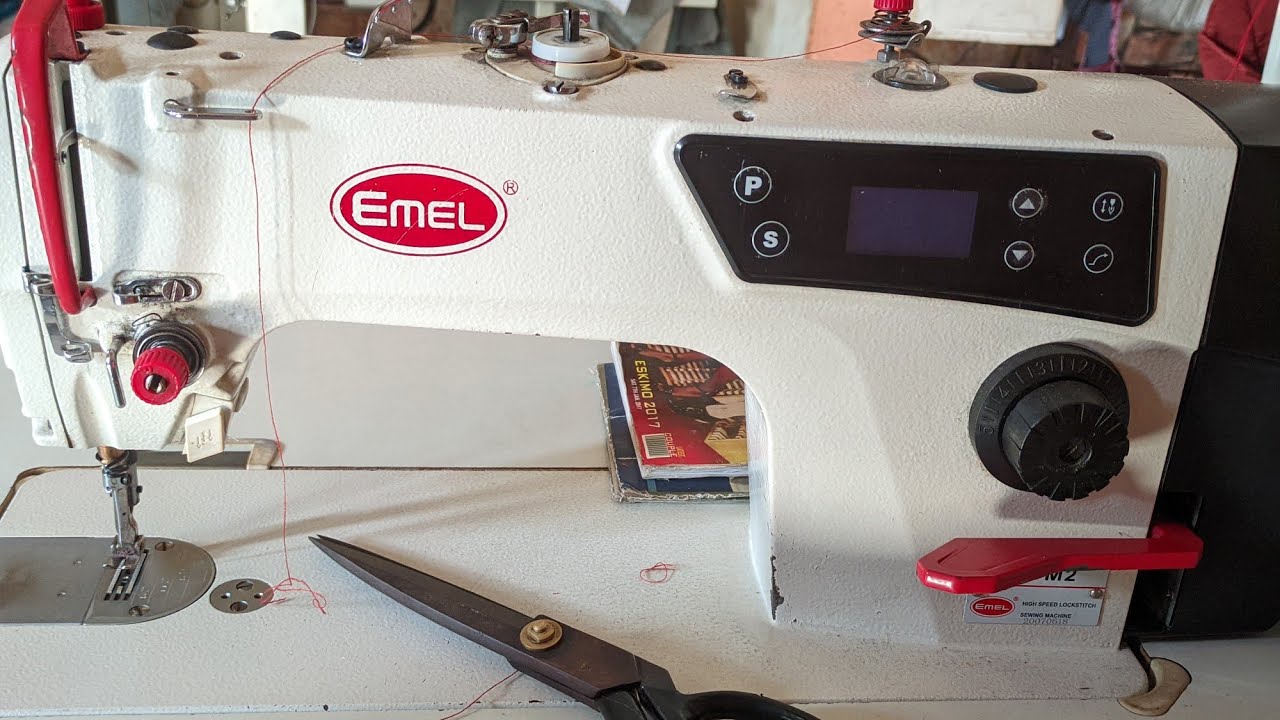
A Comprehensive Guide to Using an Emel Industrial Sewing Machine
The Emel Industrial Sewing Machine is a robust and reliable tool widely used in the garment and textile industries. Whether you are a beginner or an experienced seamstress, understanding how to properly use and maintain your machine is crucial for optimal performance. This guide provides step-by-step instructions on setup, operation, maintenance, and troubleshooting.
1. Setting Up Your Emel Industrial Sewing Machine
Unboxing and Assembly
- Unbox the Machine: Carefully unbox the machine and all its components. Ensure that all parts are present as per the instruction manual.
- Assemble the Stand: Follow the assembly instructions to set up the machine stand. Ensure the stand is stable and securely fastened.
- Mount the Machine: Place the machine head onto the stand and secure it with bolts.
Connecting the Motor
- Attach the Motor: Secure the motor to the underside of the table according to the manufacturer’s instructions.
- Belt Installation: Install the drive belt between the motor and the handwheel. Ensure the belt tension is correct – not too tight and not too loose.
- Electrical Setup: Connect the motor to a power source. Ensure that the voltage matches the machine’s requirements.
Threading the Machine
- Upper Threading: Follow the threading diagram provided in the manual. Typically, this involves passing the thread through several guides, tension discs, and the take-up lever before threading the needle.
- Bobbin Winding: Place an empty bobbin on the bobbin winder. Guide the thread from the spool, wrap it around the bobbin a few times, and start the winder.
- Loading the Bobbin: Insert the wound bobbin into the bobbin case and place it into the shuttle hook.
2. Operating the Emel Industrial Sewing Machine
Basic Operation
- Starting the Machine: Turn on the power and press the foot pedal to start the machine.
- Stitch Selection: Adjust the stitch length and type using the control dials or knobs.
- Sewing: Place the fabric under the presser foot, lower the foot, and start sewing. Guide the fabric with your hands, ensuring it moves smoothly and evenly.
Advanced Techniques
- Backstitching: Use the reverse lever or button to backstitch at the beginning and end of a seam to secure it.
- Changing Needles: Regularly change the needle according to the fabric type. Ensure the needle is properly installed with the flat side facing the correct direction.
- Adjusting Tension: Fine-tune the thread tension to prevent issues like thread bunching or uneven stitches.
3. Maintenance and Troubleshooting
Regular Maintenance
- Cleaning: Regularly clean the machine to remove lint, dust, and thread fragments. Use a brush or compressed air.
- Oiling: Lubricate the machine as per the manual’s instructions to keep it running smoothly. Focus on the bobbin case, shuttle hook, and other moving parts.
- Checking for Wear: Periodically inspect the machine for worn-out parts, such as the needle plate, feed dogs, and tension discs.
Troubleshooting Common Issues
- Skipped Stitches: Ensure the needle is correctly installed and not bent. Check the threading and adjust the tension if necessary.
- Thread Bunching: Re-thread the machine, making sure the thread is correctly seated in the tension discs. Check the bobbin for proper winding.
- Machine Not Sewing: Check for power issues, ensure the presser foot is down, and inspect for any obstructions in the bobbin area.
Conclusion
Proper setup, operation, and maintenance of your Emel Industrial Sewing Machine are key to achieving high-quality sewing results. By following this comprehensive guide, you can ensure your machine runs efficiently and effectively, allowing you to focus on your sewing projects.






LEAVE A COMMENT
You must be logged in to post a comment.