
A Buyer’s Guide to GMP Certified Pharmaceutical Factories in Nigeria

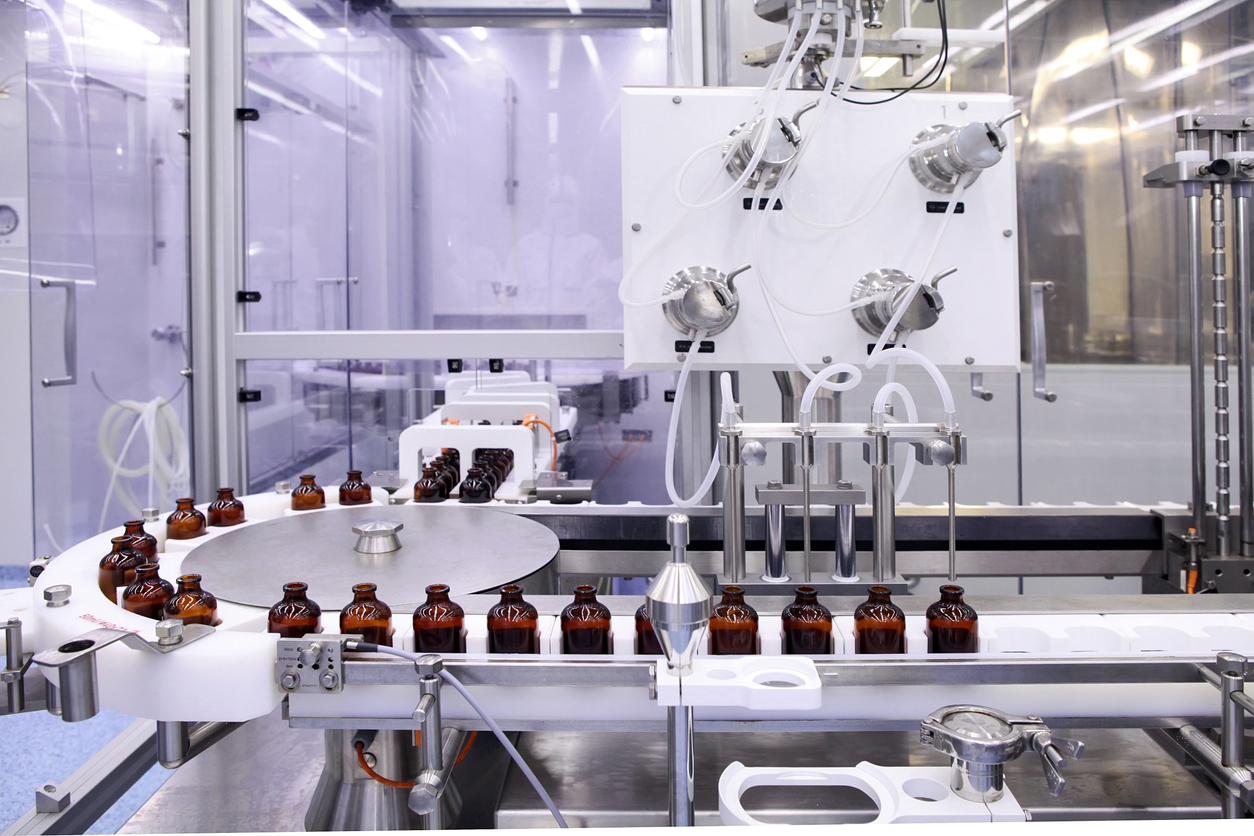
The pharmaceutical industry in Nigeria has grown significantly in recent years as the country works to strengthen local drug manufacturing and reduce reliance on imported medicines. One of the most important indicators of quality and reliability in this sector is Good Manufacturing Practice (GMP) certification. A GMP certified pharmaceutical factory in Nigeria demonstrates that a manufacturer follows internationally recognised standards for producing safe, effective, and high-quality medicines.
For pharmaceutical buyers, distributors, healthcare providers, and import/export businesses, understanding the value of GMP certification is essential when sourcing pharmaceutical products in Nigeria or across Africa. Companies such as Wigmore Trading support businesses in navigating this supply chain by assisting with sourcing, logistics, and regulatory compliance when working with certified manufacturers.
What Is GMP Certification?
Good Manufacturing Practice (GMP) is a system of regulations designed to ensure that pharmaceutical products are consistently produced and controlled according to quality standards. These standards cover every stage of the manufacturing process, including:
-
Raw material sourcing
-
Production processes
-
Equipment maintenance
-
Quality testing
-
Packaging and labeling
-
Storage and distribution
In Nigeria, GMP standards are enforced by the National Agency for Food and Drug Administration and Control (NAFDAC). Pharmaceutical factories must pass rigorous inspections to demonstrate that their facilities, documentation, and procedures meet these requirements.
A GMP certified pharmaceutical factory in Nigeria therefore provides assurance that the medicines produced meet both national and international safety and quality standards.
Why GMP Certification Matters in Nigeria’s Pharmaceutical Industry
Nigeria is one of the largest pharmaceutical markets in Africa, serving a population of over 200 million people. Ensuring medicine quality is critical for public health and for building trust in locally manufactured pharmaceuticals.
GMP certification plays a key role in this process for several reasons.
Ensuring Drug Safety and Quality
GMP guidelines reduce the risk of contamination, incorrect formulations, or manufacturing errors. Strict procedures ensure that each batch of medicine meets the same safety and efficacy standards.
Supporting Local Manufacturing
Nigeria has been working to increase domestic drug production to reduce dependence on imports. GMP certification helps local factories compete with international manufacturers and meet regulatory expectations.
Enabling International Trade
Many global pharmaceutical buyers require suppliers to meet GMP standards before they can participate in export markets. A GMP certified pharmaceutical factory in Nigeria can therefore supply products not only within the country but also to other African markets and beyond.
Strengthening Supply Chain Transparency
Clear documentation and traceability are core GMP requirements. This improves accountability across the pharmaceutical supply chain and helps distributors and wholesalers verify product authenticity.
Key Features of a GMP Certified Pharmaceutical Factory
When evaluating pharmaceutical manufacturers, buyers and distributors should look for several indicators of GMP compliance.
Controlled Production Environments
Pharmaceutical factories must maintain strict environmental controls to prevent contamination. This includes clean rooms, air filtration systems, and controlled humidity and temperature levels.
Documented Quality Systems
Every stage of manufacturing must be documented, including raw material testing, production procedures, and final product verification. These records allow regulators to audit and trace each batch.
Qualified Personnel
Staff involved in pharmaceutical production must receive specialised training in quality control, hygiene standards, and operational procedures.
Regular Inspections
Regulatory authorities conduct periodic inspections to ensure that GMP standards continue to be followed. Failure to meet these standards can result in suspension or loss of certification.
Challenges in Sourcing from Pharmaceutical Manufacturers
Despite improvements in Nigeria’s pharmaceutical sector, buyers and distributors still face several challenges when sourcing medicines.
Identifying Reliable GMP-Compliant Manufacturers
Not all facilities operate at the same quality level. Verifying certifications, production capacity, and compliance status can be complex for international buyers.
Managing Import and Export Compliance
Pharmaceutical products must meet strict regulatory requirements, including documentation, licensing, and product registration across different markets.
Logistics and Cold Chain Requirements
Certain medicines require temperature-controlled transport and secure handling to maintain product stability and safety.
Working with experienced trade partners can help businesses manage these complexities while ensuring compliance and efficiency across the supply chain.
How Wigmore Trading Supports Pharmaceutical Supply Chains
For businesses sourcing from a GMP certified pharmaceutical factory in Nigeria, supply chain coordination is just as important as manufacturing quality. Wigmore Trading supports pharmaceutical procurement by helping companies manage key aspects of the sourcing and distribution process.
This includes:
-
Identifying reputable GMP-compliant pharmaceutical manufacturers
-
Coordinating procurement and wholesale distribution
-
Managing import/export documentation and regulatory compliance
-
Organising logistics and secure transport across Africa and international markets
By streamlining these processes, companies can reduce operational risks while ensuring that pharmaceutical products reach distributors, healthcare providers, and pharmacies efficiently.
Conclusion
A GMP certified pharmaceutical factory in Nigeria represents a crucial step toward improving medicine quality, strengthening domestic manufacturing, and expanding pharmaceutical trade across Africa. GMP certification ensures that pharmaceutical products are produced under strict quality standards that protect both patients and healthcare systems.
For wholesalers, distributors, and healthcare suppliers, working with verified manufacturers and reliable supply chain partners is essential for maintaining product quality and regulatory compliance.
Wigmore Trading can help businesses source pharmaceutical products from trusted manufacturers while managing logistics, compliance, and distribution across African and international markets.
Contact Wigmore Trading today to streamline your sourcing.






Comments are closed.