
A Commercial Guide to Beauty Products Import from China to UK

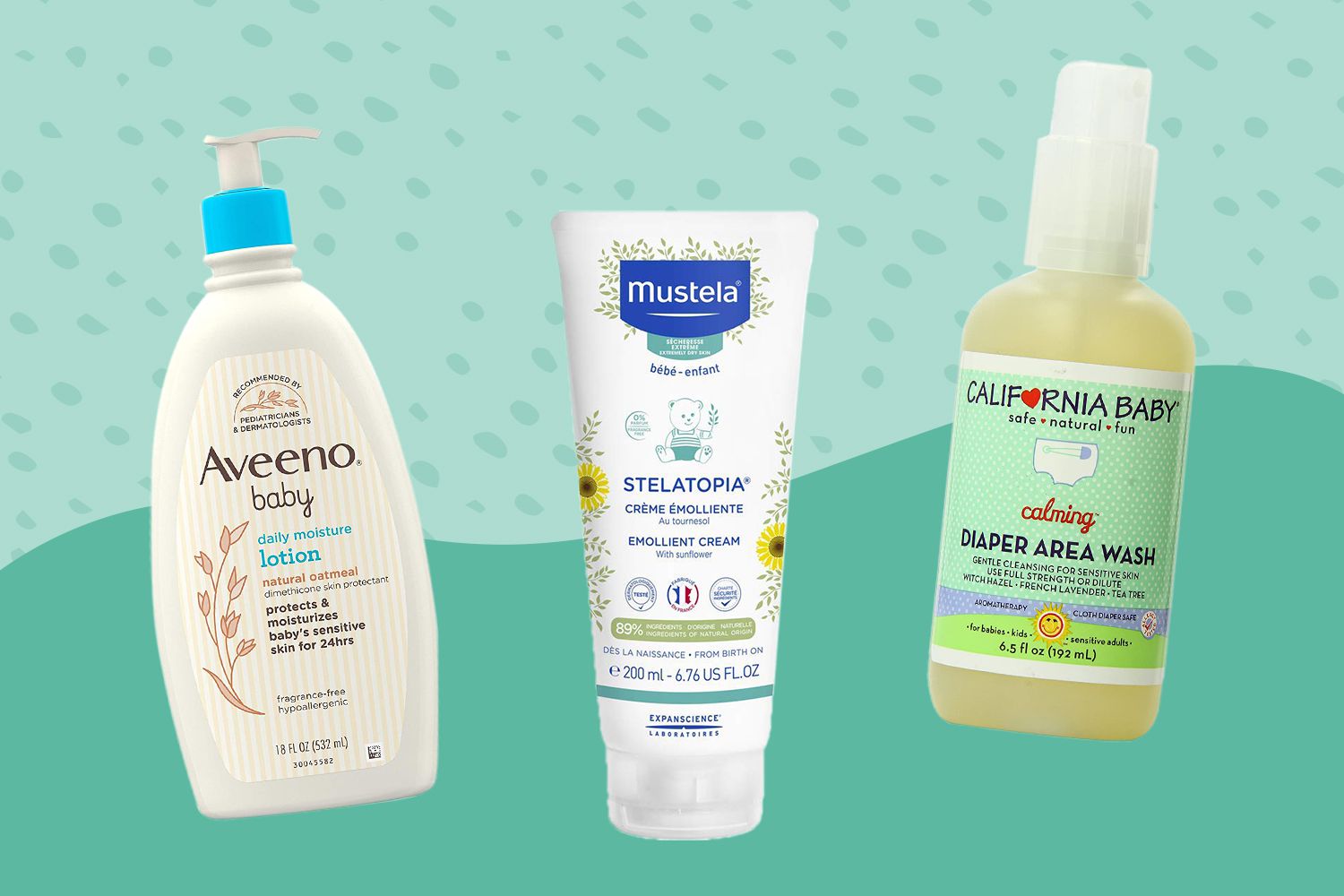
The beauty products import from China to UK market continues to expand as British retailers, wholesalers, and e-commerce sellers look for cost-effective, innovative, and scalable product sourcing solutions. China remains one of the world’s largest manufacturers of cosmetics, skincare, personal care items, beauty tools, and packaging materials.
For UK businesses, importing beauty products from China can offer strong margins and product variety. However, the process involves strict regulatory compliance, quality control, logistics planning, and supply chain coordination. Understanding these requirements is essential to avoid costly disruptions and ensure smooth market entry.
Why Import Beauty Products from China to the UK?
China’s cosmetics manufacturing industry offers several strategic advantages. Manufacturers provide a wide range of finished products, private-label solutions, and OEM/ODM services. This allows UK businesses to develop branded product lines without investing in domestic manufacturing facilities.
Cost efficiency is another key driver. Competitive production costs, combined with large-scale manufacturing capacity, enable UK importers to achieve attractive wholesale pricing. For distributors and FMCG businesses, this improves pricing flexibility and competitiveness in a crowded market.
However, lower production costs do not remove the need for proper due diligence. Quality consistency, regulatory compliance, and supplier verification must remain top priorities.
Regulatory Requirements for Beauty Products Import from China to UK
The UK has strict regulations governing cosmetic products. Since Brexit, the UK operates under the UK Cosmetics Regulation (Schedule 34 of the Product Safety and Metrology etc. (Amendment etc.) (EU Exit) Regulations 2019), which mirrors much of the former EU Cosmetics Regulation.
When importing beauty products into the UK, businesses must ensure:
-
A UK Responsible Person (UKRP) is appointed
-
Products are registered on the UK Submit Cosmetic Product Notification (SCPN) portal
-
A Product Information File (PIF) is maintained
-
Safety assessments are conducted by a qualified professional
-
Labelling complies with UK requirements (including ingredient lists and warnings in English)
Failure to meet these obligations can result in product seizures, fines, or recalls.
For companies new to the process, navigating compliance can be complex. Wigmore Trading supports importers by coordinating regulatory checks, supplier documentation review, and ensuring shipments meet UK entry requirements before departure.
Quality Control and Supplier Verification
One of the biggest risks in the beauty products import from China to UK trade is inconsistent product quality. Cosmetics must meet both safety standards and consumer expectations. Differences in formulation, packaging durability, or ingredient sourcing can significantly impact brand reputation.
Effective quality control begins before production. UK importers should verify manufacturer certifications, review ingredient documentation, and request product samples. Pre-shipment inspections are equally important to confirm that goods match agreed specifications.
Working with an experienced sourcing and supply chain partner reduces these risks. Wigmore Trading helps businesses identify reliable suppliers, conduct inspections, and manage supplier relationships to ensure long-term stability.
Shipping and Logistics Considerations
Beauty products require careful logistics planning, especially when shipping by sea or air from China to the UK. Transit times, customs documentation, packaging protection, and temperature sensitivity all play a role.
Sea freight is typically the most cost-effective option for large-volume imports, though it requires longer lead times. Air freight may be suitable for smaller, higher-value shipments or urgent stock replenishment.
Customs clearance is another critical stage. Importers must ensure accurate commodity codes (HS codes), proper valuation, and correct documentation to avoid delays at UK ports. Products containing certain ingredients may also be subject to additional scrutiny.
A structured logistics strategy helps prevent bottlenecks. Wigmore Trading coordinates freight forwarding, customs documentation, and last-mile distribution to ensure goods move efficiently through the supply chain.
Labelling and Packaging Compliance
Incorrect labelling is one of the most common compliance issues in cosmetic imports. UK regulations require specific information to appear clearly on packaging, including:
-
Product name and function
-
Net contents
-
Ingredient list (INCI format)
-
Country of origin
-
Batch number
-
Responsible Person details
-
Expiry date or Period After Opening symbol
Many Chinese manufacturers produce packaging designed for other markets, which may not meet UK standards. Importers often need to redesign labels or add compliant over-stickers before distribution.
Addressing packaging requirements during production is far more efficient than correcting them after arrival in the UK. Coordinating this step early prevents delays and additional handling costs.
Managing Costs and Margins
While manufacturing in China can offer lower unit prices, the total landed cost must be carefully calculated. This includes freight, insurance, customs duties, VAT, compliance testing, packaging modifications, and warehousing.
UK importers should also consider currency fluctuations, as exchange rate volatility can affect profitability. Structured procurement planning and long-term supplier agreements can reduce cost uncertainty.
A transparent cost analysis ensures pricing remains competitive while protecting margins. Experienced import-export specialists, such as Wigmore Trading, help businesses forecast landed costs accurately and build sustainable sourcing strategies.
Risk Management in Beauty Products Import from China to UK
Supply chain disruptions, shipping delays, regulatory changes, and quality issues can all impact operations. Importers must plan for contingencies such as buffer stock, diversified suppliers, and clear contractual agreements.
Reputation risk is particularly important in the beauty industry. Consumers expect safety, transparency, and consistent product performance. Proper documentation and traceability systems help protect brands and ensure accountability throughout the supply chain.
By combining supplier due diligence, compliance management, and structured logistics planning, UK businesses can build resilient and scalable beauty product supply chains.
Conclusion
The beauty products import from China to UK market offers strong commercial potential for retailers, wholesalers, and private-label brands. China’s manufacturing scale and product diversity provide valuable sourcing opportunities, but success depends on regulatory compliance, quality assurance, and effective logistics management.
Businesses that approach importing strategically—verifying suppliers, meeting UK cosmetic regulations, and managing freight professionally—can achieve sustainable growth in a competitive market.
Wigmore Trading supports companies throughout the sourcing and import process, from supplier identification and compliance checks to freight coordination and distribution.
Wigmore Trading can help.



Comments are closed.