
Acrylonitrile Butadiene Styrene (ABS): A Practical Guide for Industrial Buyers in Africa


Acrylonitrile butadiene styrene (ABS) is one of the most widely used engineering plastics globally. Known for its toughness, impact resistance, and easy processing, ABS is a preferred material for manufacturers across industries such as automotive, electronics, FMCG packaging, consumer goods, construction fittings, and industrial equipment.
For African importers, wholesalers, and manufacturers, ABS offers a strong balance between performance and affordability, making it an excellent choice for bulk production and distribution.
This guide explains what ABS is, why it’s popular, where it’s used, and what to consider when sourcing it reliably.
What Is Acrylonitrile Butadiene Styrene (ABS)?
ABS is a thermoplastic polymer made from three monomers:
-
Acrylonitrile (adds strength and chemical resistance)
-
Butadiene (adds toughness and impact resistance)
-
Styrene (adds rigidity and a smooth surface finish)
Because of this combination, ABS delivers a durable plastic with good surface appearance and flexible processing characteristics.
ABS is also an amorphous plastic, meaning it doesn’t have a single melting point. This helps it mold smoothly and maintain stable dimensions during manufacturing.
Key ABS Plastic Properties That Make It Ideal for Manufacturing
When buyers search for acrylonitrile butadiene styrene ABS, they are typically comparing ABS with other plastics like polypropylene (PP), polyethylene (PE), PVC, or polycarbonate. Here are the core properties that make ABS stand out:
1. High Impact Resistance
ABS is commonly selected for products that must withstand shocks, drops, and daily handling. This makes it suitable for high-use environments and durable goods.
2. Strong, Rigid, and Dimensionally Stable
ABS maintains shape well and performs reliably under load, which is useful for parts requiring consistent measurements and strong structural support.
3. Smooth Surface Finish
ABS is valued for its ability to produce clean, smooth, and glossy surfaces—especially useful for consumer products where appearance matters.
4. Easy to Process
ABS is widely used because it works well with several production methods, including:
-
Injection molding
-
Extrusion
-
CNC machining
-
Vacuum forming
-
3D printing and prototyping
This flexibility makes it attractive for manufacturers producing a variety of items using different processes.
5. Moderate Heat Resistance
ABS generally performs well for standard industrial and consumer applications, especially where moderate heat resistance is required. However, it may not be suitable for high-temperature environments unless a heat-resistant grade is selected.
Common Uses of ABS Plastic in Industry
ABS is used across industrial and consumer markets due to its strength, affordability, and ease of production.
Automotive and Transport
ABS is commonly found in:
-
Dashboard components
-
Interior panels and trims
-
Vehicle accessories and protective covers
Electronics and Electrical Housings
ABS is widely used for:
-
Appliance casings
-
Device enclosures
-
Battery housings
-
Switch and electrical box covers
Construction, Plumbing & Industrial Fittings
In construction and plumbing, ABS is used for:
-
Drain-waste-vent (DWV) systems
-
Industrial fittings and housings
-
Tool and equipment casings
Consumer Products and FMCG Goods
ABS appears in many everyday goods such as:
-
Luggage shells
-
Kitchen appliances
-
Storage containers
-
Toys and household fittings
Key Considerations When Sourcing ABS in Africa
For importers and wholesalers, sourcing ABS plastic can be straightforward—but quality issues, unclear specifications, and logistics delays often affect supply.
1. Choose the Right Grade
ABS comes in multiple grades depending on:
-
Processing method (injection, extrusion, etc.)
-
Strength requirements
-
Heat and chemical resistance needs
-
Surface finish preferences
Selecting the wrong grade can lead to defects such as warping, cracking, or poor surface appearance.
Solution: Work with a supplier who understands industrial plastics and can recommend the right ABS grade for your application.
2. Ensure Quality Consistency
Many manufacturers in Africa face challenges due to inconsistent resin quality, especially when sourcing from unverified markets.
Solution: Partner with a trusted trading company that can provide verified supply chains and consistent quality standards.
Wigmore Trading can help you source ABS from reliable producers and manage quality verification for bulk orders.
3. Plan for Efficient Import Logistics
ABS is commonly shipped as pellets or granules in bulk bags. Importers must ensure:
-
Correct documentation
-
Proper packing and labeling
-
Efficient freight handling
-
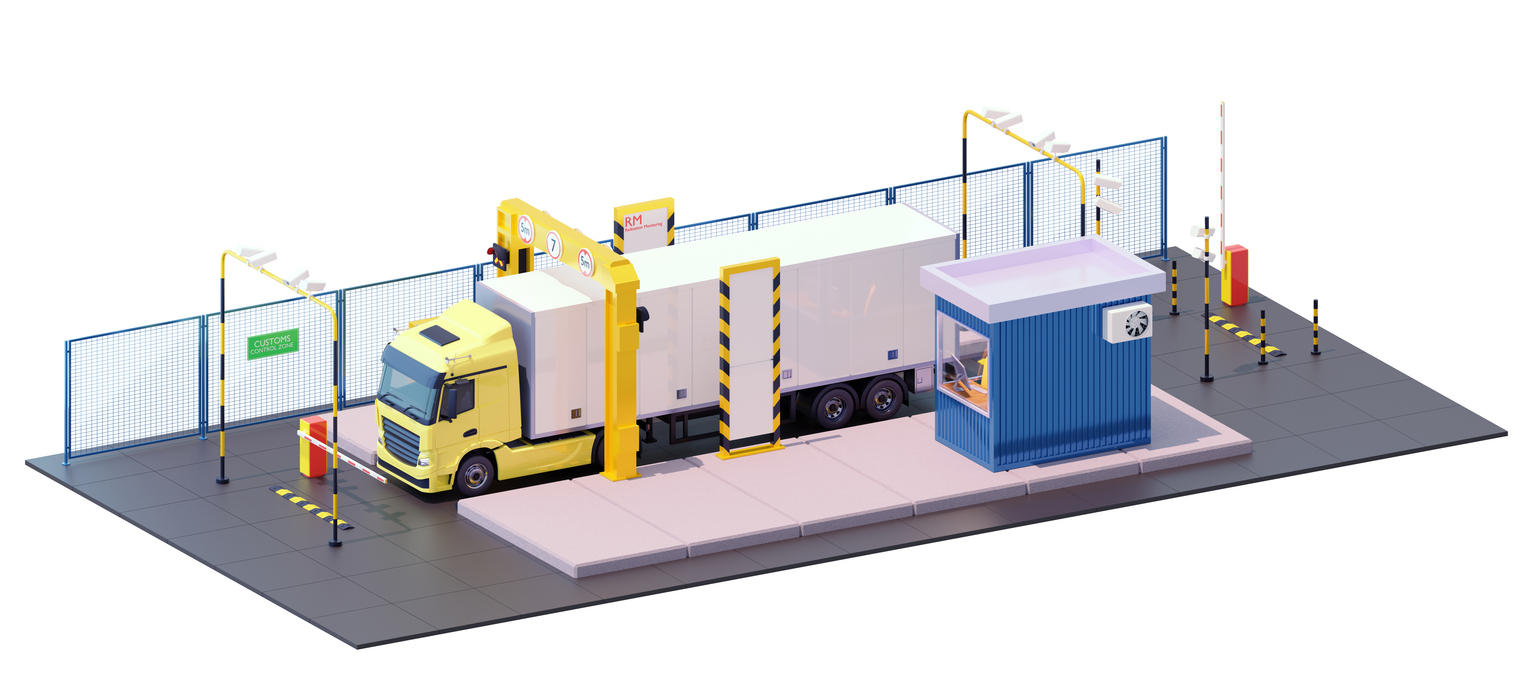
Customs support to avoid delays
Solution: Use an Africa-focused sourcing partner who can coordinate shipping, compliance, and delivery.
Is ABS Recyclable?
ABS can be recycled, but recycling availability depends heavily on local infrastructure. Because it may be grouped under “Other” plastics in many recycling systems, it may not always be accepted by standard recycling facilities.
For businesses using ABS at scale, it’s helpful to explore options like:
-
industrial scrap recovery
-
partnerships with recyclers
-
using recycled ABS where acceptable
Why ABS Remains a Strong Choice for African Manufacturers
ABS is popular because it combines:
-
durability
-
toughness
-
smooth surface finish
-
cost efficiency
-
flexible manufacturing options
That’s why it remains in strong demand across Africa’s growing manufacturing and industrial supply markets.
If you need bulk ABS resin or help sourcing ABS-based products for distribution, Wigmore Trading can help you secure reliable supply, support import logistics, and reduce procurement risk.
Contact Wigmore Trading today to streamline your sourcing.


Comments are closed.