
Advanced Recycling and the Future of Sustainable Trade

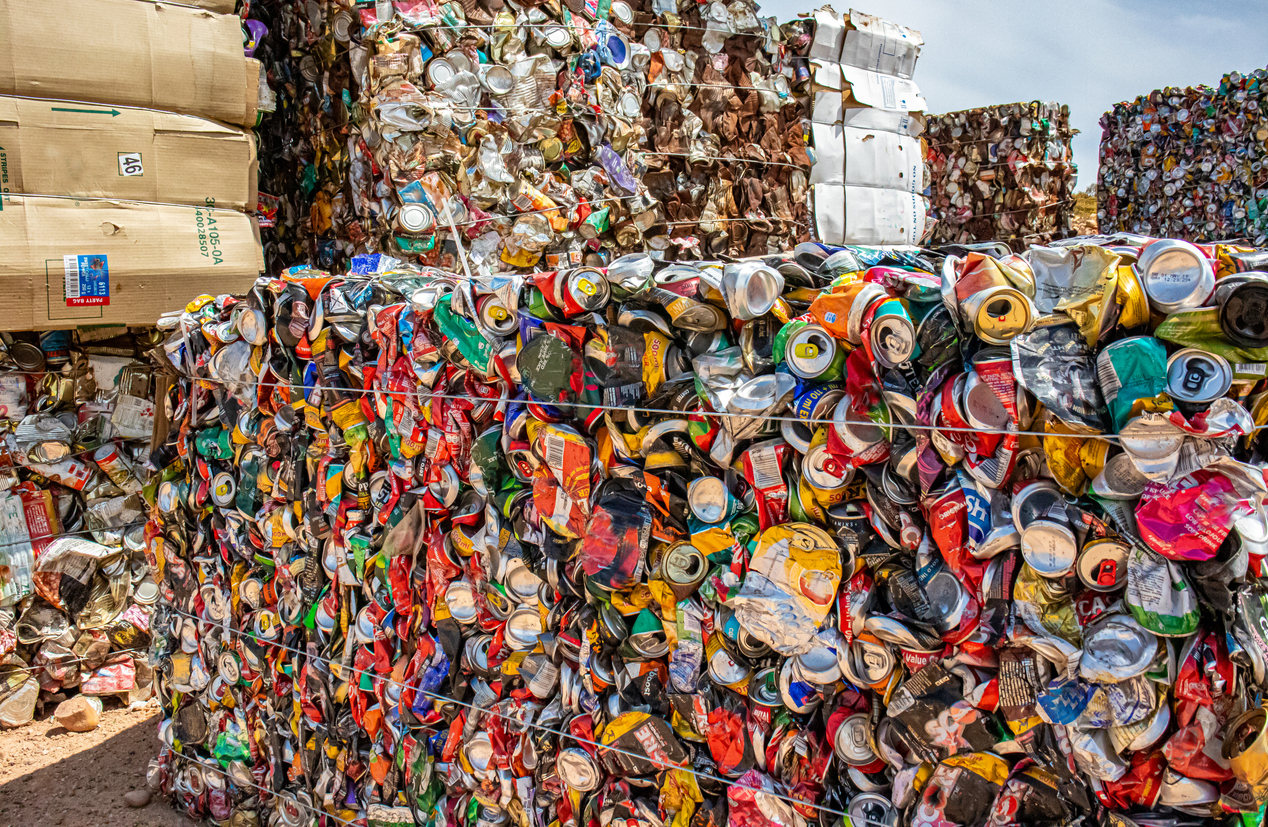
Advanced recycling is rapidly reshaping how industries manage waste, source raw materials, and meet sustainability goals. As governments, manufacturers, and traders face increasing pressure to reduce environmental impact, advanced recycling technologies offer practical, scalable solutions—especially for plastics and complex waste streams that traditional recycling cannot handle efficiently.
For businesses involved in import/export, FMCG, manufacturing, and logistics, understanding advanced recycling is no longer optional. It is becoming a key factor in supply chain resilience, regulatory compliance, and long-term competitiveness.
What Is Advanced Recycling?
Advanced recycling refers to a group of technologies that break down waste materials—particularly plastics—into their original chemical components or usable feedstocks. Unlike mechanical recycling, which relies on sorting and melting plastics, advanced recycling uses chemical, thermal, or catalytic processes to handle mixed, contaminated, or low-grade waste.
Common advanced recycling methods include:
-
Chemical recycling
-
Pyrolysis
-
Gasification
-
Depolymerization
These processes allow waste to be converted into fuels, monomers, or raw materials that can re-enter manufacturing supply chains with quality comparable to virgin materials.
Why Advanced Recycling Matters for Global Trade
Advanced recycling plays a growing role in international trade, especially as markets shift toward circular economy models. Many countries are tightening regulations on plastic waste exports and imports, while simultaneously encouraging recycled-content usage in packaging and consumer goods.
For African markets, advanced recycling offers a dual benefit: reducing environmental waste challenges while creating new industrial value chains. Traders and distributors can access recycled feedstocks locally, reducing dependence on imported virgin materials and exposure to price volatility.
Wigmore Trading can help businesses navigate these evolving trade dynamics by sourcing recycled materials, connecting with recycling technology providers, and managing compliant cross-border logistics.
Key Benefits of Advanced Recycling for Businesses
Advanced recycling offers several advantages across supply chains:
-
Expanded material recovery: Processes materials that mechanical recycling cannot.
-
Improved material quality: Produces outputs suitable for food-grade or industrial applications.
-
Reduced landfill and incineration: Supports sustainability targets.
-
Supply chain security: Diversifies sources of raw materials.
For FMCG brands and manufacturers, advanced recycling helps meet recycled-content mandates without compromising product quality.
Challenges in Adopting Advanced Recycling
Despite its benefits, advanced recycling faces challenges that businesses must address:
-
High capital investment for recycling infrastructure
-
Regulatory uncertainty in some regions
-
Need for reliable waste feedstock supply
-
Cross-border compliance for recycled materials
These challenges make it difficult for individual companies to act alone. This is where experienced trade and sourcing partners play a critical role.
Wigmore Trading supports clients by facilitating access to recycled materials, identifying credible recycling partners, and ensuring trade compliance across African and global markets.
Advanced Recycling in Africa: Growing Opportunities
Africa presents strong growth potential for advanced recycling due to increasing urbanization, rising plastic consumption, and policy momentum toward sustainability. Countries across West, East, and Southern Africa are exploring public-private partnerships to scale recycling capacity.
By integrating advanced recycling into regional supply chains, African businesses can:
-
Create local manufacturing inputs
-
Reduce waste management costs
-
Generate employment
-
Strengthen export competitiveness
Wigmore Trading’s deep understanding of African trade ecosystems positions it to support businesses looking to participate in or benefit from these emerging recycling value chains.
How Wigmore Trading Supports Advanced Recycling Supply Chains
Wigmore Trading works with manufacturers, recyclers, and distributors to streamline sourcing and distribution of recycled and recyclable materials. This includes:
-
Sourcing recycled polymers and feedstocks
-
Connecting buyers with advanced recycling partners
-
Managing logistics and customs processes
-
Supporting sustainable procurement strategies
Whether you are a manufacturer seeking recycled inputs or a distributor exploring new sustainable product lines, Wigmore Trading can help.
The Future of Advanced Recycling
As sustainability regulations tighten and consumer expectations evolve, advanced recycling will become a core component of global trade. Companies that invest early—either directly or through strategic partners—will be better positioned to adapt, comply, and grow.
Get in touch with our team to learn more about how advanced recycling can strengthen your supply chain.




Comments are closed.