
Air Freight China to Nigeria: A Practical Guide for Importers

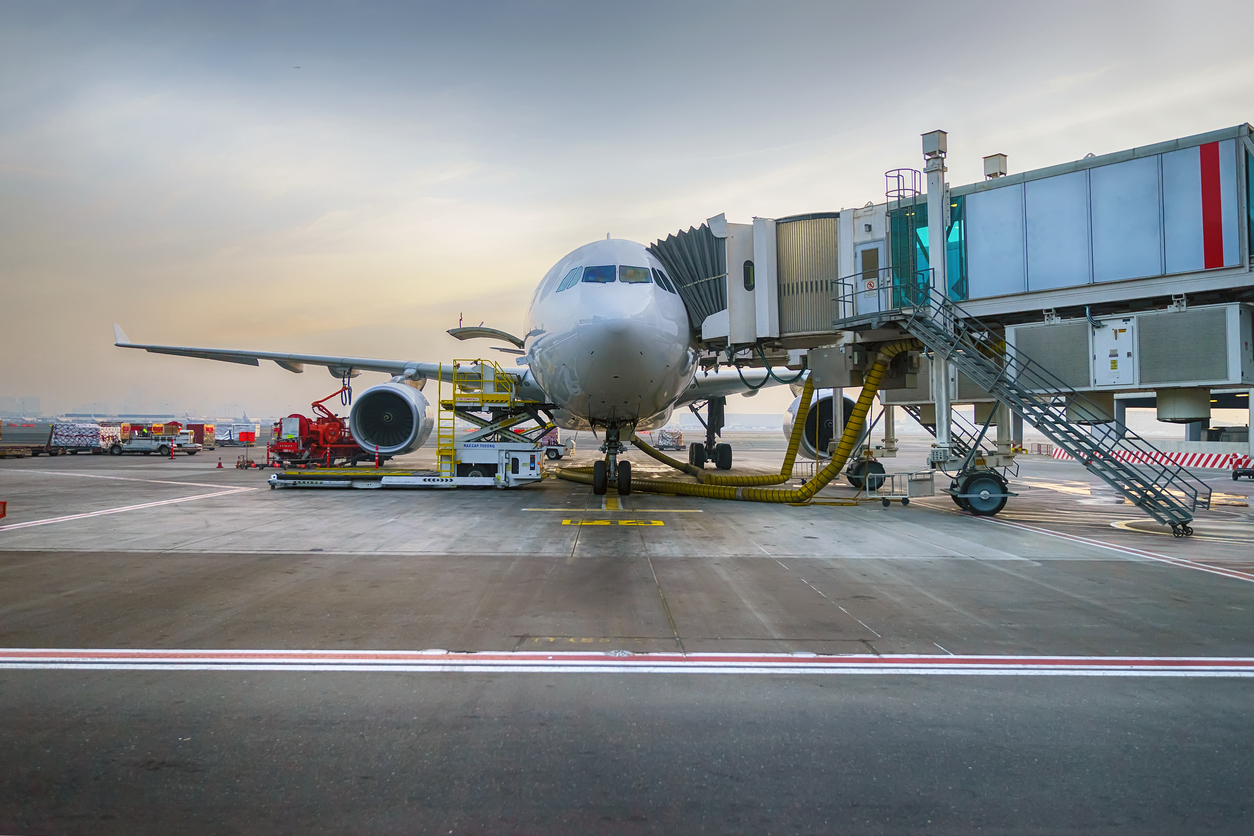
Global trade between China and Nigeria continues to expand, driven by demand for electronics, machinery, textiles, auto parts, and fast-moving consumer goods (FMCG). For businesses that need speed, reliability, and tighter inventory control, air freight China to Nigeria remains one of the most efficient shipping options.
Understanding how air cargo works, the cost structure, customs requirements, and the logistics process is essential for importers seeking to protect margins and avoid delays. This guide explains the key considerations and how experienced trade partners such as Wigmore Trading can support efficient cargo movement between the two markets.
Why Choose Air Freight China to Nigeria?
Air freight is typically selected when speed is critical. Compared to sea freight, which can take several weeks, air cargo from major Chinese airports such as Guangzhou, Shanghai, Shenzhen, or Beijing can reach Nigeria within days.
Businesses often choose air freight when:
-
Shipping high-value goods such as electronics or medical equipment
-
Meeting urgent project deadlines
-
Replenishing stock quickly to avoid retail shortages
-
Moving samples or small consignments
Although air freight is more expensive than sea freight on a per-kilogram basis, it can reduce overall supply chain risk. Faster transit times mean lower warehousing costs, improved cash flow cycles, and quicker product turnover—factors that are particularly important in competitive FMCG and wholesale distribution markets.
Key Airports and Trade Routes
Air cargo from China typically departs from major international hubs including:
-
Guangzhou Baiyun International Airport
-
Shanghai Pudong International Airport
-
Shenzhen Bao’an International Airport
In Nigeria, cargo generally arrives at:
-
Murtala Muhammed International Airport (Lagos)
-
Nnamdi Azikiwe International Airport (Abuja)
Lagos remains the primary commercial gateway for imports, given its strong infrastructure, customs processing capacity, and proximity to major distribution centers.
An experienced logistics partner coordinates airline selection, routing, consolidation options, and customs clearance to ensure timely delivery and cost control.
Cost Factors in Air Freight China to Nigeria
Air freight pricing is influenced by several variables. Understanding these helps importers plan effectively.
The main cost drivers include cargo weight and volume, fuel surcharges, airline capacity, seasonal demand, and security fees. Air freight charges are calculated using either actual weight or volumetric weight—whichever is higher. This makes packaging optimization critical, especially for lightweight but bulky goods.
Peak seasons such as Chinese New Year, Black Friday restocking periods, and year-end demand can cause rate increases due to limited cargo space. Importers should plan shipments in advance to avoid premium pricing.
Customs duties, VAT, and regulatory charges in Nigeria must also be factored into the total landed cost. Proper documentation reduces the risk of unexpected penalties or storage charges at the airport.
Wigmore Trading supports businesses by providing clear landed cost estimates and coordinating documentation before cargo departure, helping importers avoid costly disruptions.
Documentation and Compliance Requirements
Efficient air freight China to Nigeria depends heavily on accurate documentation. Nigerian Customs Service requires complete and compliant paperwork for smooth clearance.
Typical documentation includes:
-
Commercial invoice
-
Packing list
-
Airway bill
-
Form M
-
Pre-Arrival Assessment Report (PAAR)
-
SONCAP certificate (for regulated products)
Certain goods, including electronics, food products, and pharmaceuticals, may require additional regulatory approvals. Errors in classification, under-declaration of value, or missing certificates can result in cargo holds or financial penalties.
Working with a trade partner experienced in Nigerian import regulations ensures documentation is prepared correctly and submitted on time. Wigmore Trading assists clients with compliance management, reducing clearance delays at Lagos or Abuja airports.
Transit Time and Delivery Process
Standard air freight transit time from China to Nigeria ranges from three to seven days, depending on flight schedules, consolidation methods, and customs processing speed.
The process typically involves:
-
Supplier cargo handover in China
-
Export customs clearance
-
Airline loading and international transit
-
Arrival handling in Nigeria
-
Import customs clearance
-
Final delivery to warehouse or distribution center
Delays can occur due to incomplete documentation, inspections, or airline capacity shortages. Proactive communication between supplier, freight forwarder, and consignee is critical to maintaining timelines.
A structured logistics approach minimizes risk. Wigmore Trading coordinates shipment tracking, customs brokerage, and final-mile delivery to ensure cargo moves efficiently from factory to destination.
Air Freight vs Sea Freight: Strategic Considerations
While air freight offers speed, it is not always the most economical solution for large-volume shipments. Importers should evaluate shipment size, urgency, product value, and cash flow impact before deciding.
Sea freight is often better suited for bulk commodities and heavy machinery, while air freight works best for high-margin goods, spare parts, and urgent inventory replenishment.
Some businesses adopt a hybrid strategy—using sea freight for core inventory and air freight for urgent restocking. This approach balances cost efficiency with supply chain agility.
Wigmore Trading helps businesses assess shipping options and develop tailored logistics strategies that align with commercial objectives.
Risk Management in Air Cargo
Although air freight is generally reliable, risk factors remain. These include cargo damage, customs delays, and regulatory changes.
Proper cargo insurance is strongly recommended, particularly for high-value electronics and industrial equipment. Secure packaging, correct labeling, and accurate HS code classification further reduce risk exposure.
Businesses importing from China should also conduct supplier verification to avoid shipment discrepancies. Coordinating quality inspections before dispatch helps prevent costly disputes after arrival.
By integrating sourcing, logistics, and compliance oversight, Wigmore Trading supports businesses in managing both operational and regulatory risks associated with international trade.
Supporting Nigerian Businesses Through Efficient Air Freight
Nigeria’s growing consumer market depends heavily on imports from Asia. Fast and reliable air freight China to Nigeria enables retailers, wholesalers, manufacturers, and project contractors to remain competitive.
Efficient logistics improves stock availability, reduces downtime, and strengthens supply chain resilience. However, success depends on proper planning, cost control, and regulatory compliance.
Partnering with an experienced trade and logistics provider simplifies this process. From supplier coordination in China to customs clearance in Lagos, structured support ensures smoother cargo movement and predictable timelines.
Conclusion
Air freight China to Nigeria plays a critical role in supporting fast-moving trade between two major commercial economies. While it comes at a higher cost than sea freight, the benefits of speed, reliability, and reduced inventory risk often justify the investment.
Importers must carefully manage documentation, cost planning, and compliance to avoid unnecessary delays. With the right logistics strategy and professional coordination, air cargo can provide a strong competitive advantage.
Wigmore Trading can help. Contact Wigmore Trading today to streamline your sourcing.






Comments are closed.