
An In-depth Guide to Buying and Exporting Bananas from Angola

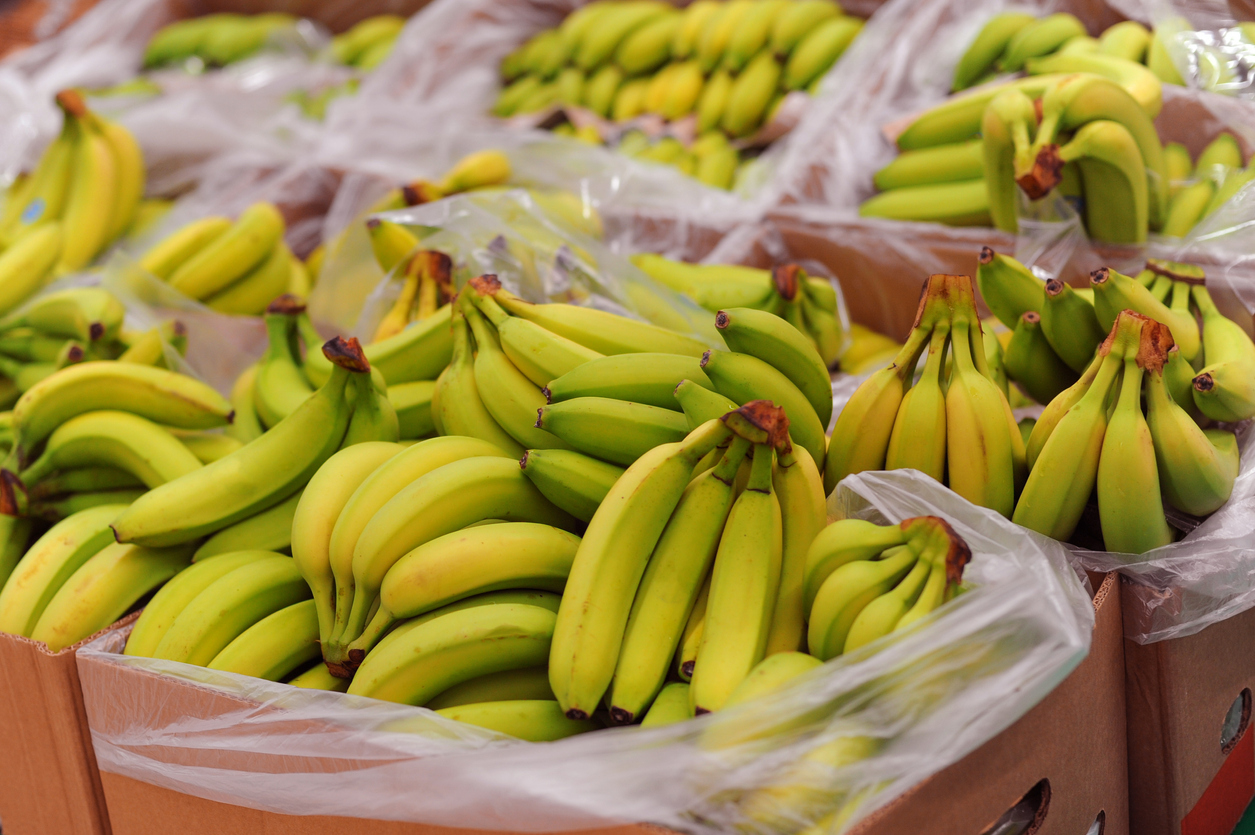
An In-depth Guide to Buying and Exporting Bananas from Angola
Have you ever wondered what it takes to buy and export bananas from Angola? This guide will take you through the steps involved, providing in-depth information to help you understand the process and make informed decisions. From finding the right supplier to navigating Angola’s complex import regulations, this guide will provide the necessary information to make your purchase and export of bananas a success. With a better understanding of the process, you can ensure that your bananas arrive safely and quickly to their destination. Whether you are an individual or a business looking to buy and export bananas from Angola, this guide will provide you with the necessary information to make sure your purchase is a success.
Overview of Angola and the Banana Industry
The Republic of Angola, formerly known as Portuguese West Africa, is located on the Atlantic coast of southern Africa. It is bordered by Namibia and the Democratic Republic of the Congo to the north, Zambia to the east, and the Republic of the Congo to the south and west. The climate is tropical, with two distinct seasons: a rainy season from March to June and a dry season from July to February. The country’s tropical climate provides ample rainfall, which is beneficial to growing bananas. The banana industry in Angola is a major sector of the economy, contributing approximately USD $200 million in annual revenue, which is generated by approximately 30,000 growers. You can expect to pay about USD $9.50 per box of bananas and about $1,000 for shipping a 40-foot container.
Finding the Right Supplier
Finding the right supplier is the most important step in the buying process. You want to make sure that the supplier you choose can meet your requirements, provides high-quality products, and can ship your bananas in a timely manner. When you are conducting supplier screenings, make sure that you are specific in what you want and do not want in your bananas. Confirm the grade, size, quality, and country of origin of your preferred product. By confirming the details of your preferred product, you can avoid the possibility of receiving substandard product. Additionally, confirm the terms of payment, shipping terms, and other contractual terms that are important to you and your business. Make sure that you have a good understanding of the supplier’s logistics capabilities. This will help you determine if the supplier can meet your shipping requirements. You can confirm a supplier’s logistics capabilities by asking them questions about their fleet, routes, and capacity.
Understanding Angola’s Import Regulations
Before you begin your supplier screenings, you must understand Angola’s import regulations. This will help you to avoid the risk of receiving rejected goods and associated fines and penalties. By understanding the importing process, you can avoid fines and penalties associated with shipping substandard product. To import bananas into Angola, you must obtain an import permit from the National Department of Agriculture (DGA). The DGA enforces quality control, imposes restrictions on the import of certain products, and ensures food safety standards. Be sure to work with your suppliers to understand the import requirements, particularly the documentation and labeling requirements. The type of documentation required by the DGA and other agencies depends on the type of product you are importing.
Developing a Shipping Plan
After you find the right supplier and understand the import regulations, you can begin to develop a shipping plan. You will want to consider the following items when developing a shipping plan: – Origin/Destination: Where are your bananas grown? Where will your bananas be shipped? Which shipping route will be used? – Volume: How many boxes of bananas are you shipping? – Timeframe: When do you want your bananas shipped? Once you have considered these factors, you can determine the best shipping route. You will want to consider the following factors when determining the best route for your shipment: – Origin and Destination – Volume – Timeframe By considering these factors, you can determine the best shipping route for your bananas and create a shipping plan.
Packaging and Labeling Requirements
After you determine all of the necessary details of your banana shipment, you can begin to prepare your bananas for export. Make sure that you keep the following packaging requirements in mind: – Origin – Destination – Volume – Timeframe – Type of Fruit – Weight – Temperature – Humidity – Other Regulations You will also need to label each box with the following information: – Origin – Destination – Volume – Type of Fruit – Weight – Temperature By labeling your boxes correctly, you can ensure that your shipment arrives safely and quickly.
Additional Considerations
– Quality: Make sure that each box has at least 8 percent black spots. This is the minimum requirement for export from Angola. – Inspection: Make sure that each box has an export inspection label. You can include your own inspection labels or purchase them from the DGA. – Container: Make sure that your bananas are loaded in the container last. This ensures that the bananas are not crushed or damaged during loading. – Documents: Make sure that you have all necessary documents required for export.
Financing Options
Unfortunately, there are no financing options for the purchase of bananas. This is because bananas are perishable, meaning they will spoil quickly and cannot be stored long-term. To avoid purchasing spoiled bananas, you must pay for your bananas upfront before they are shipped. Some suppliers may be willing to provide you with a payment plan, but this is not common practice. If you are purchasing bananas for resale, you may be able to apply for a business loan or line of credit to fund your inventory. Business loans or lines of credit offer a number of advantages, such as long repayment terms, low interest rates, and fewer reporting requirements compared to other types of loans. Before applying for a business loan or line of credit, you must have a business plan in place. This will help you to secure financing and meet your banana purchasing obligations.
Finalizing Your Purchase
After you find the right supplier, understand the import regulations, develop a shipping plan, and prepare your bananas for export, you can finalize your purchase. To finalize your purchase, you will need to pay your supplier in full. This can be done by wire transfer or a third-party financing company. After you pay your supplier in full, they will ship your bananas to the port. Once your bananas arrive at the port, they will be inspected and shipped to their final destination. Once your bananas arrive at their final destination, you can start selling them. Make sure that you have completed all necessary documentation and labeling requirements before your bananas arrive at their final destination. By following the steps outlined in this guide, you can successfully buy and export bananas from Angola. This will help you to maintain a healthy inventory and provide your customers with fresh, tasty bananas.





LEAVE A COMMENT
You must be logged in to post a comment.