
Are Stun Guns Allowed in Nigeria? Legal Insights for Importers and Distributors
Talk to us about this service
Trade, import, logistics, sourcing — whatever you're planning, the fastest way to a quote is a WhatsApp message. Our team replies during Lagos business hours.
WhatsApp usYour message tells us which page you came from
Understanding the legal status of self-defense equipment is essential for businesses involved in importation, distribution, or retail across Nigeria. One commonly asked question is: are stun guns allowed in Nigeria? This article provides a clear, practical overview of the regulatory environment, while highlighting key considerations for importers, wholesalers, and logistics providers operating in this space.
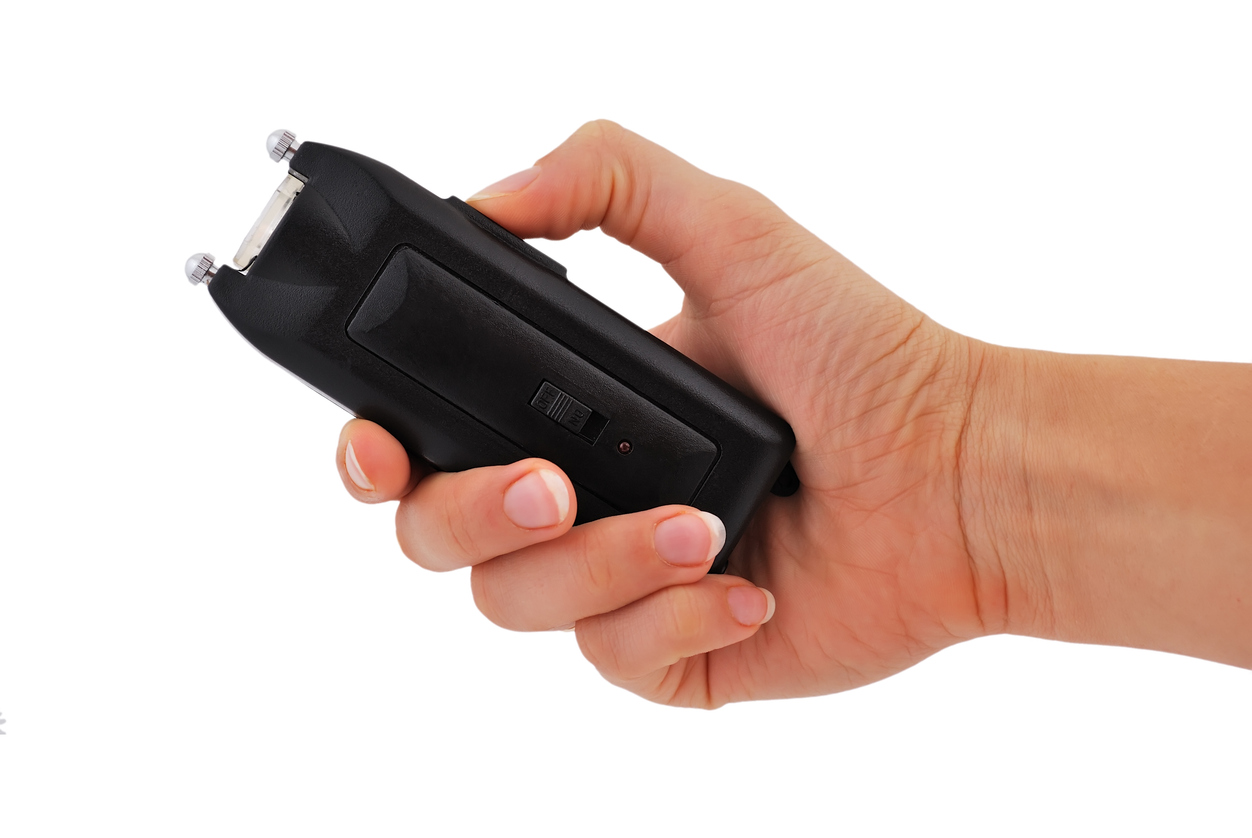
Understanding Nigerian Laws on Stun Guns
In Nigeria, weapons regulation is primarily governed by the Firearms Act and related security legislation. While stun guns are not firearms in the traditional sense, they fall under the broader category of prohibited or controlled weapons due to their ability to incapacitate individuals.
Currently, stun guns are not explicitly legalized for civilian use. In practice, they are treated as restricted security equipment. This means:
- Importation typically requires special permits or authorization from relevant authorities
- Unauthorized possession or distribution may attract legal penalties
- Law enforcement agencies maintain discretion in enforcement
For businesses, this creates a regulatory grey area that must be navigated carefully.
Are Stun Guns Allowed in Nigeria for Commercial Import?
From a commercial standpoint, importing stun guns into Nigeria is highly regulated. Importers must consider several compliance requirements:
1. Import Licensing and Permits
Businesses must obtain clearance from regulatory bodies such as:
- Nigerian Customs Service (NCS)
- Office of the National Security Adviser (ONSA)
- Ministry of Interior (in some cases)
Without these approvals, shipments may be seized at ports.
2. Product Classification Challenges
Stun guns may be classified under restricted goods, which complicates:
- HS code declaration
- Duty assessment
- Customs clearance timelines
Misclassification can lead to delays, fines, or confiscation.
3. End-User Restrictions
Even when importation is approved, distribution may be limited to:
- Security agencies
- Licensed private security firms
Retail sale to the general public is typically not permitted.
Risks for Distributors and Wholesalers
For distributors exploring this category, the risks extend beyond importation:
- Legal liability if products are sold without authorization
- Reputational risk associated with handling controlled equipment
- Supply chain disruptions due to regulatory enforcement
These risks make it essential to conduct thorough due diligence before entering the market.
Safer Alternatives for the Nigerian Market
Given the regulatory uncertainty around stun guns, many businesses opt to focus on compliant self-defense or safety products, such as:
- Personal alarms
- CCTV and surveillance systems
- Access control devices
- Non-restricted security tools
These alternatives offer strong market demand without the same legal complexities.
How Wigmore Trading Supports Compliance and Sourcing
Navigating Nigeria’s import regulations requires local expertise and strong logistics coordination. This is where a partner like Wigmore Trading becomes valuable.
Wigmore Trading supports businesses by:
- Advising on product eligibility before import decisions are made
- Assisting with documentation and regulatory compliance
- Managing customs clearance and freight logistics
- Providing access to alternative, compliant product sourcing options
For companies unsure about whether stun guns are allowed in Nigeria or how to proceed, working with an experienced trade partner reduces risk and improves operational efficiency.
Key Takeaways for Businesses
- Stun guns are not clearly permitted for civilian use in Nigeria
- Importation requires strict regulatory approvals
- Unauthorized distribution can lead to legal and financial consequences
- Exploring compliant alternatives is often a more viable commercial strategy
Understanding these factors is critical for any business involved in import/export or wholesale distribution in Nigeria’s security equipment sector.
Conclusion
So, are stun guns allowed in Nigeria? The answer is complex. While not explicitly legalized, they are treated as restricted items requiring government authorization. For importers and distributors, this creates significant compliance challenges that must not be overlooked.
Businesses looking to operate in Nigeria’s security or safety product market should prioritise regulatory clarity, proper documentation, and risk management. Partnering with experienced logistics and sourcing providers ensures smoother operations and avoids costly mistakes.
Wigmore Trading can help. Contact Wigmore Trading today to streamline your sourcing.
No Comments Yet.

Comments are closed.