
Best Suppliers for China Products Wholesale in Nigeria

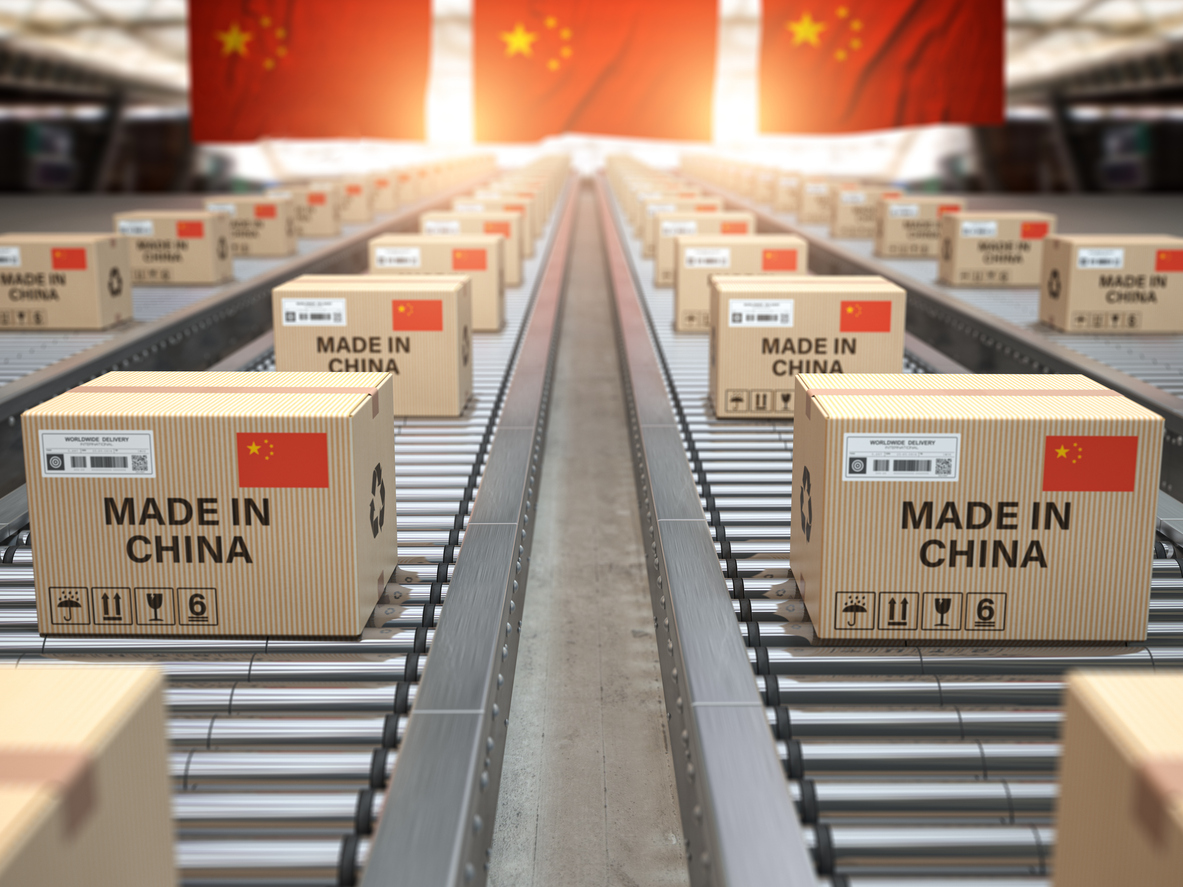
Nigeria’s demand for affordable consumer goods, electronics, household items, fashion accessories, and industrial supplies continues to grow. As a result, China products wholesale in Nigeria has become a major component of the country’s import ecosystem. From small retailers to large distributors, businesses rely on Chinese manufacturers to supply competitively priced products that meet mass-market demand.
However, sourcing wholesale products from China into Nigeria requires more than simply placing an order. Import regulations, supplier verification, logistics planning, quality control, and foreign exchange considerations all play a critical role in determining profitability. This guide explains how businesses can approach wholesale imports from China strategically and sustainably.
Why China Products Wholesale in Nigeria Remains Strong
China remains the world’s largest manufacturing hub, offering scale, variety, and price competitiveness that few countries can match. For Nigerian wholesalers and distributors, the benefits are clear:
-
Access to a wide range of product categories
-
Flexible minimum order quantities in many sectors
-
Competitive unit pricing for bulk purchases
-
Established export systems and global shipping infrastructure
Product categories commonly imported into Nigeria include electronics accessories, small appliances, building materials, textiles, fashion items, packaging materials, FMCG-related goods, and industrial components.
The key advantage lies in margin potential. When sourced correctly, wholesale products from China allow Nigerian importers to price competitively while maintaining healthy distribution margins.
Key Considerations When Sourcing China Products Wholesale in Nigeria
While the opportunity is significant, wholesale imports require careful planning. Poor supplier selection, weak quality control, or improper documentation can quickly erode profits.
Supplier Verification and Product Quality
Online platforms such as Alibaba and Made-in-China have simplified supplier discovery. However, not all suppliers meet international quality or compliance standards. Verifying a supplier’s business license, production capacity, export history, and product certifications is essential.
For wholesale importers in Nigeria, product consistency matters. Retailers and end consumers expect reliability, especially in electronics, appliances, and packaged goods. Quality inspections before shipment help prevent costly returns and reputational damage.
Many Nigerian businesses work with experienced sourcing partners to conduct factory audits and pre-shipment inspections in China. This reduces the risks associated with remote procurement.
Pricing Structure and Hidden Costs
Wholesale pricing from Chinese suppliers often appears attractive at first glance. However, total landed cost must be calculated accurately. Importers should factor in:
-
Product cost
-
Freight (sea or air)
-
Insurance
-
Customs duties and port charges in Nigeria
-
Clearing and inland transportation
-
Exchange rate fluctuations
Without proper cost analysis, businesses may underestimate final expenses and compromise their margins. Structured cost planning ensures pricing decisions remain profitable.
Shipping and Freight Planning
For most wholesale shipments, sea freight is the preferred method due to cost efficiency for large volumes. Full Container Load (FCL) and Less than Container Load (LCL) options are available depending on order size.
Air freight may be appropriate for smaller, high-value, or time-sensitive goods, but it significantly increases landed cost.
Port congestion, customs delays, and documentation errors can disrupt supply chains. Working with experienced freight forwarders and logistics partners ensures smoother cargo handling from China to Nigerian ports such as Apapa or Tin Can Island.
Import Regulations and Compliance in Nigeria
Wholesale imports into Nigeria are regulated by the Nigeria Customs Service (NCS) and other regulatory bodies depending on product category.
Importers must ensure:
-
Proper HS code classification
-
Accurate Form M processing
-
Pre-Arrival Assessment Report (PAAR) compliance
-
SONCAP certification where applicable
-
NAFDAC approval for regulated goods
Failure to meet documentation requirements can result in shipment delays, penalties, or cargo seizure.
Businesses that regularly engage in China products wholesale in Nigeria benefit from structured compliance processes. Professional import management services can help navigate documentation, regulatory requirements, and customs clearance efficiently.
Managing Currency and Payment Risks
Foreign exchange volatility remains a key challenge for Nigerian importers sourcing from China. Payment terms typically involve advance deposits (often 30%) with the balance paid before shipment.
Importers must manage:
-
Exchange rate fluctuations
-
International transfer charges
-
Supplier payment security
-
Fraud prevention
Using structured trade finance solutions or working with experienced import partners can reduce payment risk. Clear contracts, proforma invoices, and verified bank details are essential safeguards.
Choosing the Right Product Strategy
Not every product imported from China performs well in Nigeria’s market. Successful wholesalers analyze local demand trends, pricing sensitivity, and competitor supply chains before committing to large orders.
High-volume, fast-moving goods generally provide better cash flow cycles. In contrast, niche or high-spec products may require longer market development but can deliver higher margins.
Understanding regional demand across Nigeria—whether in Lagos, Abuja, Port Harcourt, or emerging commercial hubs—helps distributors plan inventory more effectively.
Market research, supplier diversification, and pilot shipments can reduce exposure when testing new product categories.
The Role of Reliable Supply Chain Partners
The complexity of China products wholesale in Nigeria means that businesses benefit from professional support across sourcing, logistics, and compliance.
This is where experienced trade facilitators add value. A structured partner can assist with:
-
Supplier sourcing and verification
-
Price negotiation and contract structuring
-
Quality inspection before shipment
-
Freight coordination
-
Customs documentation and clearance
-
Distribution planning within Nigeria
By centralizing these functions, businesses reduce risk, improve cost control, and maintain consistent supply.
Wigmore Trading, for example, supports importers and distributors with sourcing expertise, freight coordination, and supply chain management solutions tailored to the Nigerian market. Rather than navigating multiple intermediaries, businesses can streamline procurement through a single structured channel.
Common Challenges in China Wholesale Imports
Even experienced importers face recurring challenges. Shipping delays, sudden regulatory changes, inconsistent product quality, and rising freight rates can impact profitability.
Additionally, wholesale buyers must manage storage, inventory turnover, and working capital effectively. Overstocking can strain liquidity, while understocking risks lost sales.
Long-term success requires building dependable supplier relationships, maintaining compliance discipline, and continuously optimizing logistics processes.
A structured sourcing and distribution framework reduces uncertainty and supports scalable growth.
Building a Sustainable Wholesale Business
The long-term opportunity for China products wholesale in Nigeria remains strong, particularly as consumer demand for affordable goods continues to expand.
However, success depends on strategic execution. Businesses that invest in supplier due diligence, compliance accuracy, freight planning, and market research are better positioned to maintain profitability.
Rather than focusing solely on low unit prices, successful wholesalers prioritize total cost management, quality consistency, and supply chain resilience.
With the right partnerships and structured procurement processes, importing from China can become a stable and scalable pillar of business growth in Nigeria.
Conclusion
China products wholesale in Nigeria offers significant opportunities for importers, distributors, and retailers seeking competitive supply sources. Yet the process requires careful planning, regulatory compliance, quality assurance, and efficient logistics management.
By combining strategic sourcing with reliable freight and customs support, businesses can protect margins and ensure consistent supply.
Wigmore Trading can help. Contact Wigmore Trading today to streamline your sourcing.





Comments are closed.