
Built In Wardrobes in Ghana: Buy & Import Guide

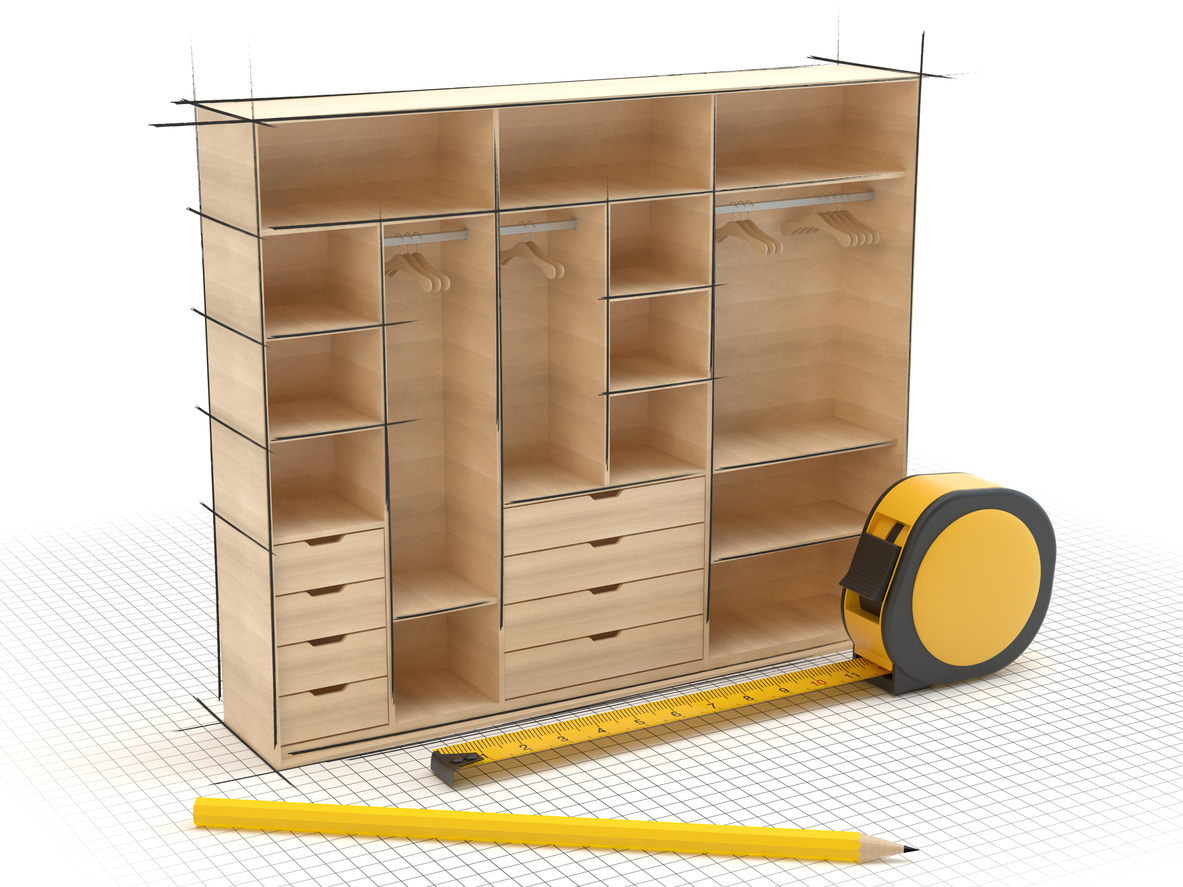
Built in wardrobes in Ghana are no longer a luxury—they’re now a smart, space-saving standard in modern homes, hotels, and furnished apartments. For developers, interior designers, and furniture retailers, choosing the right supply and import strategy can make a big difference to project costs, timelines, and overall quality.
Why Demand for Built In Wardrobes in Ghana Is Growing
Urbanisation in cities like Accra, Kumasi and Takoradi is driving demand for compact, well-organised living spaces. Homeowners and tenants increasingly prefer built in wardrobes over freestanding units because they:
-
Maximise floor-to-ceiling storage
-
Create a clean, modern, “built-in” look
-
Can be customised to fit awkward corners, alcoves and sloped ceilings
For investors and developers, built in wardrobes in Ghana have become a clear value-adding feature that helps properties stand out in a competitive market and justify higher rents or sale prices.
Local vs Imported Built In Wardrobes in Ghana
When sourcing built in wardrobes in Ghana, you typically have three main options. Your choice will depend on project size, budget and design expectations.
Locally Manufactured Built In Wardrobes in Ghana
Local carpenters and specialist wardrobe firms can design and install wardrobes to match exact on-site dimensions. Common options include:
-
Floor-to-ceiling fitted wardrobes
-
Sliding or hinged doors
-
Modern laminate, wood veneer or painted finishes
Pros
-
Easier on-site adjustments
-
Shorter lead times once materials are available
-
Supports local jobs and craftsmanship
Cons
-
Quality can vary between workshops
-
Design range may be limited by available boards and hardware
Wigmore Trading can help by supplying quality boards, fittings and accessories to your chosen local carpenters, ensuring more consistent results across multiple units.
Imported Flat-Pack Built In Wardrobes in Ghana
Flat-pack systems are manufactured abroad, then shipped to Ghana for assembly. They are ideal for:
-
Property developers fitting out multiple apartments or townhouses
-
Hotels, hostels and guest houses needing a consistent look
-
Retailers building a repeatable wardrobe range
Pros
-
Standardised designs and finishes
-
Predictable quality and repeatable models
-
Attractive pricing when ordered in bulk
Cons
-
Longer lead times (production, shipping, customs)
-
Requires a reliable import and logistics partner
Wigmore Trading can coordinate the full import process, from sourcing manufacturers to delivering flat-pack wardrobes directly to your sites in Ghana.
Hybrid Approach to Built In Wardrobes in Ghana
A hybrid approach combines both methods: importing key components while using local installers for final assembly. For example:
-
Importing high-quality wardrobe boards and sliding door systems
-
Using Ghana-based carpenters to cut, install and finish on site
This approach reduces freight volumes while keeping flexibility on the ground. Wigmore Trading can source and ship components in bulk, then work alongside your preferred local teams.
Key Factors When Choosing Built In Wardrobes in Ghana
Space Planning and Wardrobe Design
Good planning prevents expensive changes later. Before placing any orders:
-
Confirm accurate wall-to-wall and floor-to-ceiling measurements
-
Note the exact positions of windows, doors, sockets and switches
-
Decide on internal layout: hanging rails, drawers, open shelves, shoe racks, luggage space
Clear drawings and specifications mean fewer installation issues, especially when importing ready-made or semi-custom wardrobes.
Materials Suitable for Ghana’s Climate
Built in wardrobes in Ghana must cope with heat and humidity. When choosing materials, consider:
-
Moisture-resistant boards (such as treated MDF or high-density boards) to reduce warping
-
Durable laminates or veneers that resist scratches and frequent cleaning
-
Proper ventilation (small gaps or vents) to reduce moisture build-up, especially in coastal areas
Wigmore Trading can help you select and import materials designed for warm, humid climates, extending the life of your wardrobes.
Hardware and Wardrobe Accessories
The small parts make a big difference. Look for:
-
Soft-close hinges and drawer runners
-
Strong hanging rails for heavy clothing
-
Adjustable shelves that can be repositioned over time
-
Optional extras like pull-out trouser racks, tie racks or internal lighting
By standardising hardware across your projects, you simplify maintenance and reduce long-term costs.
Working With Built In Wardrobe Suppliers in Ghana
To keep your wardrobe projects on track, it helps to follow a structured process with your suppliers:
-
Pre-qualify suppliers
Review their past projects, capacity and references—especially for large developments or hotel fit-outs. -
Agree standard models
Create 2–3 core built in wardrobe designs for different room types (master, secondary, guest). This keeps ordering and installation simple. -
Set clear pricing and lead times
Use framework agreements to lock in pricing for repeat projects and avoid surprises when material costs fluctuate. -
Coordinate logistics early
Align production, shipping, customs clearance and on-site installation with your construction schedule.
Wigmore Trading can help manage this process, consolidating shipments, handling customs, and delivering wardrobes or materials where and when you need them in Ghana.
How Wigmore Trading Supports Built In Wardrobes in Ghana
Wigmore Trading works with:
-
Property developers and real estate investors
-
Hotels, hostels, guest houses and serviced apartments
-
Furniture retailers and interior designers
Support can include:
-
Sourcing complete built in wardrobe systems from trusted manufacturers
-
Importing boards, doors and hardware for your own carpentry teams
-
Managing freight, customs and local distribution into and across Ghana
Whether you need a few premium wardrobes or a container-load of components, Wigmore Trading can help you simplify your supply chain and maintain consistent quality.
Contact Wigmore Trading today to streamline your sourcing for built in wardrobes in Ghana and other interior fit-out materials.





Comments are closed.