
Choosing a Reliable Bulk Cooking Oil Supplier in Nigeria

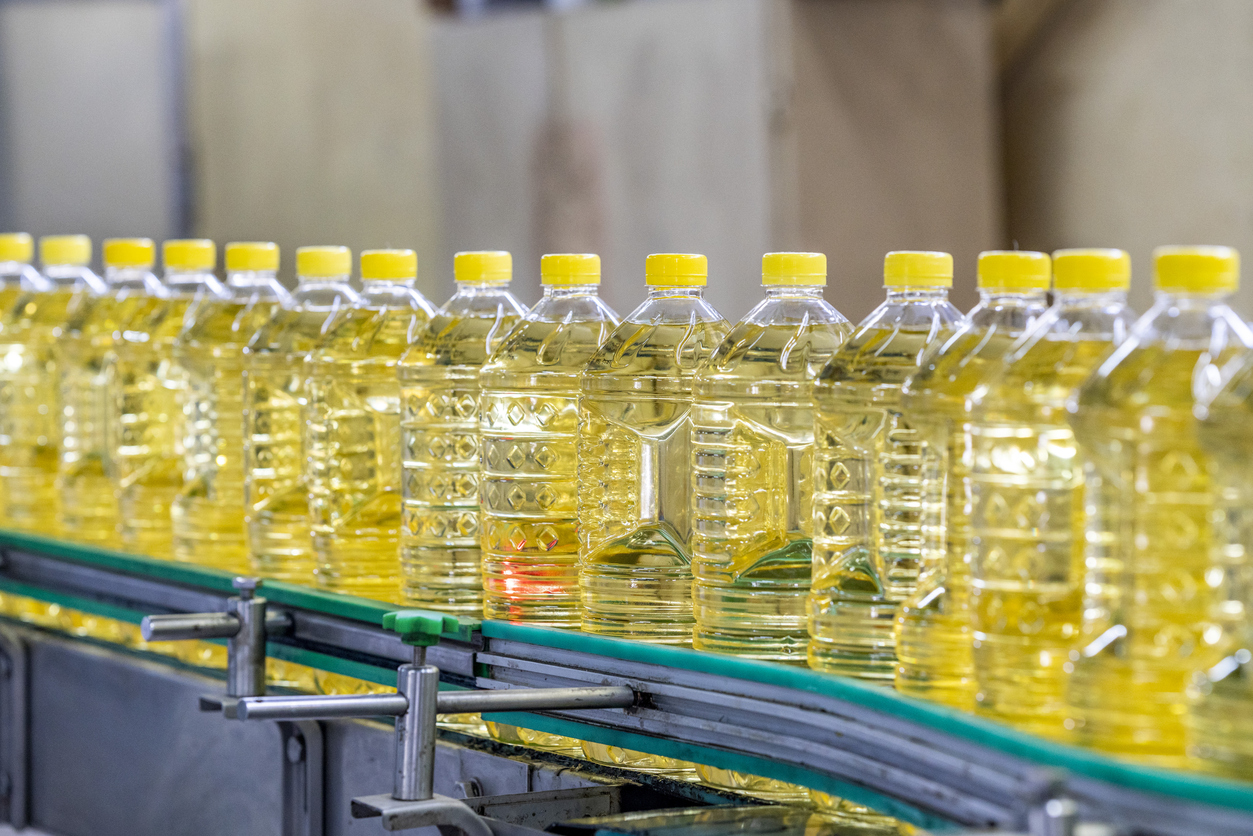
Nigeria’s food and FMCG sectors continue to expand, driven by population growth, urbanisation, and rising demand for affordable cooking essentials. For businesses such as food processors, restaurants, retailers, and distributors, securing a dependable bulk cooking oil supplier Nigeria is critical to maintaining product quality, stable pricing, and consistent supply.
This article explores key considerations when sourcing cooking oil in bulk, common industry challenges, and how businesses can optimise their procurement and logistics strategies.
Understanding the Cooking Oil Market in Nigeria
Nigeria imports a significant portion of its edible oil requirements while also supporting local production of palm oil and vegetable oils. The market includes:
- Palm oil (locally produced and refined)
- Vegetable oils (soybean, sunflower, and canola)
- Blended and fortified cooking oils
Demand comes from multiple sectors:
- FMCG manufacturers
- Hospitality businesses
- Open market traders and wholesalers
- Institutional buyers (schools, caterers, etc.)
Given this demand, choosing the right supplier is not just about price—it also involves reliability, compliance, and scalability.
Key Factors When Selecting a Bulk Cooking Oil Supplier Nigeria
1. Product Quality and Standards
Quality is non-negotiable in the food industry. Buyers should ensure that suppliers meet:
- NAFDAC certification requirements
- Proper refining and packaging standards
- Consistent taste, colour, and shelf life
Low-quality oil can damage brand reputation and lead to regulatory issues.
2. Pricing and Cost Stability
Bulk purchasing should provide cost advantages, but pricing can fluctuate due to:
- Global commodity prices
- Currency exchange rates
- Import duties and logistics costs
Working with a supplier that offers transparent pricing and stable supply agreements can help businesses manage margins effectively.
3. Supply Chain Reliability
One of the biggest risks in Nigeria’s FMCG sector is supply disruption. Delays can occur due to:
- Port congestion
- Customs clearance issues
- Transportation bottlenecks
A reliable supplier should have strong logistics capabilities and contingency plans in place.
4. Packaging and Volume Flexibility
Different businesses require different formats, including:
- Jerry cans (5L, 10L, 25L)
- Drums and bulk containers
- Private label packaging
Flexibility in packaging allows businesses to tailor products to their target market.
Challenges in Bulk Cooking Oil Procurement
Import Dependency
Nigeria still relies heavily on imports for refined vegetable oils. This exposes buyers to:
- Foreign exchange volatility
- International shipping delays
- Regulatory changes
Quality Inconsistency
Not all suppliers maintain consistent standards, especially in fragmented markets. This can result in:
- Product adulteration
- Variable quality across batches
Logistics and Distribution Issues
Transporting bulk goods across Nigeria can be complex due to infrastructure limitations and regional distribution challenges.
Solutions for Efficient Sourcing and Distribution
Partnering with Established Trading Companies
Working with experienced trading firms can reduce procurement risks. Companies like Wigmore Trading help businesses:
- Source high-quality cooking oil from verified suppliers
- Manage import processes and documentation
- Ensure compliance with Nigerian regulations
Integrated Logistics Support
Efficient logistics is essential for bulk distribution. Businesses benefit from:
- Warehousing solutions
- Nationwide delivery networks
- Inventory management support
Wigmore Trading provides end-to-end logistics coordination, helping businesses avoid delays and maintain consistent stock levels.
Supplier Diversification
Relying on a single supplier increases risk. Businesses should:
- Maintain multiple sourcing channels
- Balance local and international suppliers
- Monitor supplier performance regularly
Benefits of Working with a Bulk Cooking Oil Supplier Nigeria
Choosing the right supplier offers several advantages:
- Cost efficiency: Better pricing through economies of scale
- Consistency: Reliable supply ensures uninterrupted operations
- Scalability: Ability to meet growing demand
- Compliance assurance: Reduced regulatory risks
For wholesalers and distributors, this translates into stronger market competitiveness and improved customer satisfaction.
How Wigmore Trading Supports Your Supply Chain
Wigmore Trading works closely with businesses across Nigeria and West Africa to streamline sourcing and distribution. Their services include:
- Bulk procurement of cooking oil and other FMCG products
- Import/export coordination and customs clearance
- Warehousing and last-mile delivery
- Supplier verification and quality assurance
By combining sourcing expertise with logistics capabilities, Wigmore Trading helps businesses reduce operational risks and improve efficiency.
Conclusion
Finding a dependable bulk cooking oil supplier Nigeria is essential for businesses operating in the food and FMCG sectors. Beyond pricing, factors such as quality, supply reliability, and logistics support play a critical role in long-term success.
By partnering with experienced suppliers and leveraging integrated supply chain solutions, businesses can navigate market challenges and maintain consistent operations.
Wigmore Trading can help. Contact Wigmore Trading today to streamline your sourcing.




Comments are closed.