
Bulk Groceries Delivery in Nigeria: A Strategic Advantage for Businesses


The demand for bulk groceries delivery in Nigeria has grown significantly in recent years, driven by rapid urbanisation, expanding retail networks, and the increasing need for efficient supply chains. Businesses across hospitality, retail, manufacturing, and FMCG sectors are seeking reliable partners to source and deliver large quantities of groceries efficiently and cost-effectively.
This article explores how bulk grocery delivery works in Nigeria, the challenges businesses face, and how structured supply chain solutions can improve operations.
Understanding Bulk Groceries Delivery in Nigeria
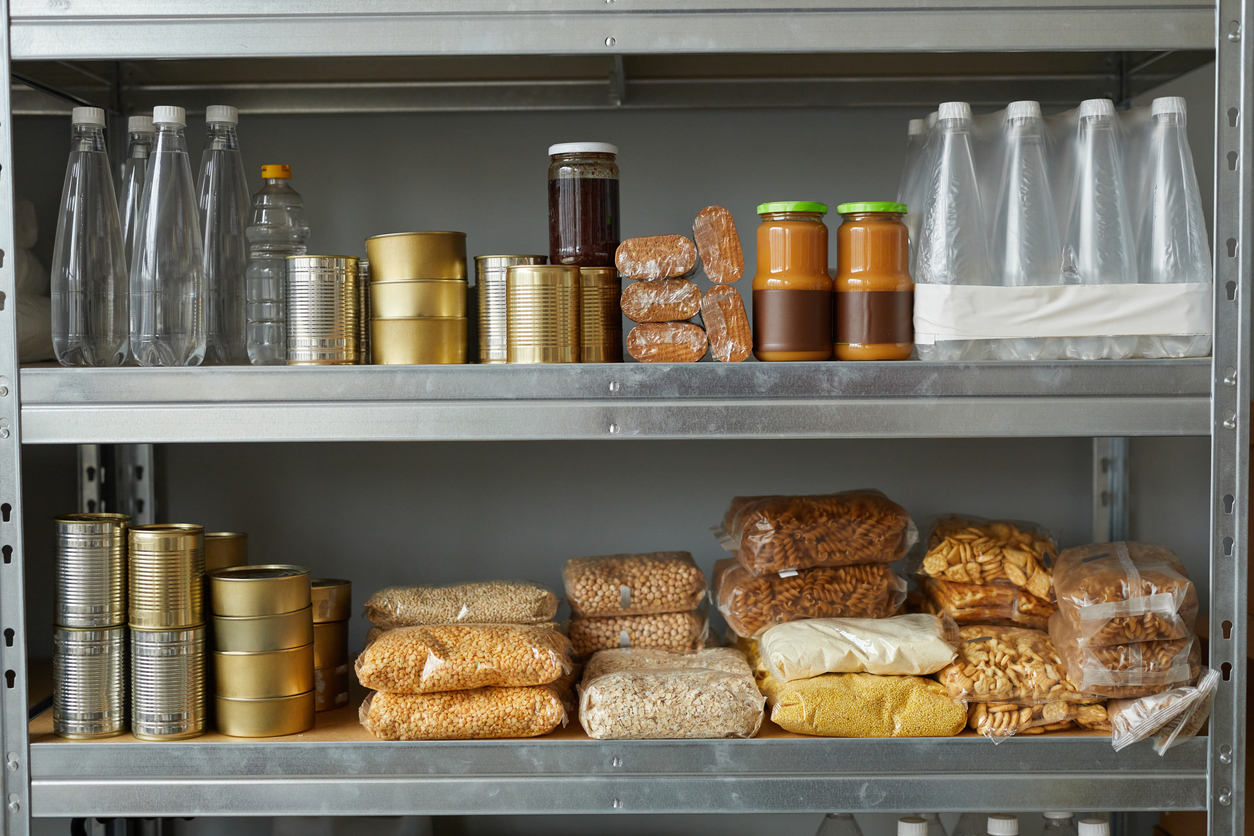
Bulk groceries delivery involves the procurement, storage, and transportation of large quantities of food and household consumables. These may include staples such as rice, flour, sugar, cooking oil, beverages, and packaged foods.
For businesses, bulk purchasing offers several advantages:
- Lower unit costs through economies of scale
- Consistent product availability
- Reduced procurement frequency
- Improved inventory planning
In Nigeria, where supply chains can be fragmented, bulk delivery services play a critical role in bridging the gap between suppliers and end-users.
Key Challenges in Bulk Grocery Supply Chains
Despite its advantages, managing bulk groceries delivery in Nigeria comes with operational complexities.
1. Supply Chain Fragmentation
Many suppliers operate independently, making it difficult for businesses to consolidate orders efficiently. This often leads to inconsistent quality and delays.
2. Logistics and Infrastructure Constraints
Road conditions, traffic congestion, and limited warehousing infrastructure can affect delivery timelines, particularly for perishable or high-demand goods.
3. Price Volatility
Fluctuations in currency and commodity prices can impact the cost of bulk groceries, making budgeting and forecasting more challenging.
4. Quality Assurance and Compliance
Ensuring that products meet regulatory standards and are stored correctly during transit is essential, especially for food safety.
How Businesses Can Optimise Bulk Grocery Delivery
To overcome these challenges, companies need structured and reliable procurement and logistics strategies.
Centralised Sourcing
Working with a single sourcing partner simplifies procurement by consolidating multiple product categories into one streamlined process. This reduces administrative overhead and ensures consistency in product quality.
Efficient Warehousing and Inventory Management
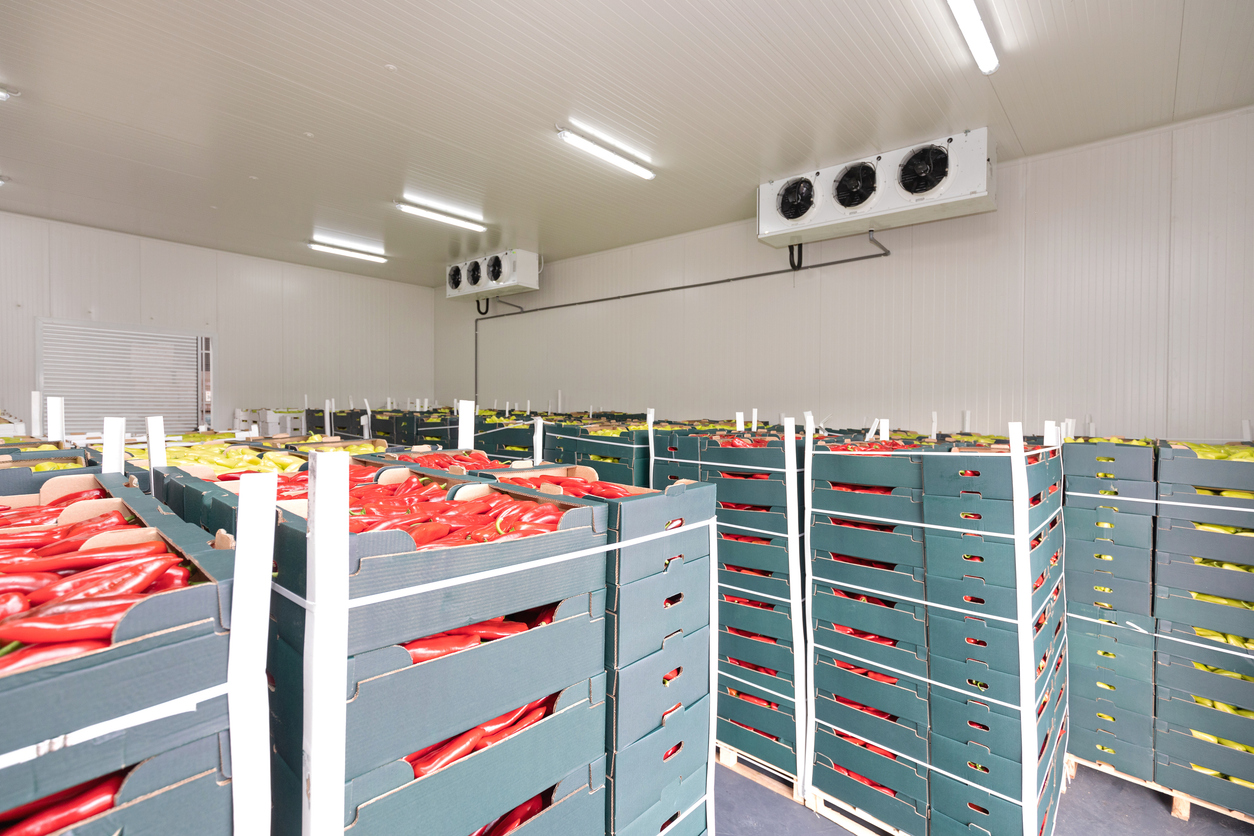
Proper warehousing facilities allow businesses to store bulk groceries safely and distribute them as needed. This helps minimise stockouts and reduces waste.
Reliable Distribution Networks
A well-managed logistics system ensures timely delivery across different regions in Nigeria. This is particularly important for businesses with multiple outlets or operations in different cities.
Supplier Verification and Compliance
Partnering with experienced providers helps ensure that all products meet local regulatory requirements and international quality standards.
The Role of Wigmore Trading in Bulk Groceries Delivery
For businesses seeking dependable bulk groceries delivery in Nigeria, working with an established supply chain partner can significantly improve efficiency.
Wigmore Trading supports businesses by:
- Sourcing high-quality groceries from verified local and international suppliers
- Managing end-to-end logistics, including warehousing and distribution
- Ensuring compliance with Nigerian import regulations and food safety standards
- Providing scalable solutions for businesses of all sizes
By integrating sourcing and logistics into a single service, businesses can reduce operational risks and focus on core activities such as sales and customer service.
Industries That Benefit from Bulk Grocery Delivery
Several sectors rely heavily on bulk grocery supply chains:
Retail and Supermarkets
Retailers require consistent stock levels to meet consumer demand. Bulk delivery ensures shelves remain stocked without frequent procurement cycles.
Hospitality and Catering
Hotels, restaurants, and catering companies depend on reliable food supply to maintain service quality and manage costs.
Manufacturing and FMCG
Manufacturers using raw food ingredients benefit from stable supply chains that support production schedules.
Institutional Buyers
Schools, hospitals, and NGOs often require bulk food supplies for daily operations, making efficient delivery systems essential.
Future Outlook for Bulk Groceries Delivery in Nigeria
As Nigeria’s economy continues to grow, the demand for structured supply chains will increase. Technology adoption, improved logistics infrastructure, and stronger partnerships between suppliers and distributors are expected to enhance efficiency.
Businesses that invest in reliable bulk delivery solutions will be better positioned to scale operations, reduce costs, and maintain consistent product availability.
Conclusion
Bulk groceries delivery in Nigeria is a critical component of modern business operations, particularly in sectors that depend on steady and large-scale supply of food and consumables. While challenges such as logistics constraints and price volatility exist, they can be effectively managed through strategic sourcing and reliable partnerships.
Wigmore Trading can help streamline procurement, logistics, and distribution, enabling businesses to operate more efficiently and competitively.
Contact Wigmore Trading today to streamline your sourcing.


Comments are closed.