
Buy and Export Children’s Picture Books from China with Wigmore Trading

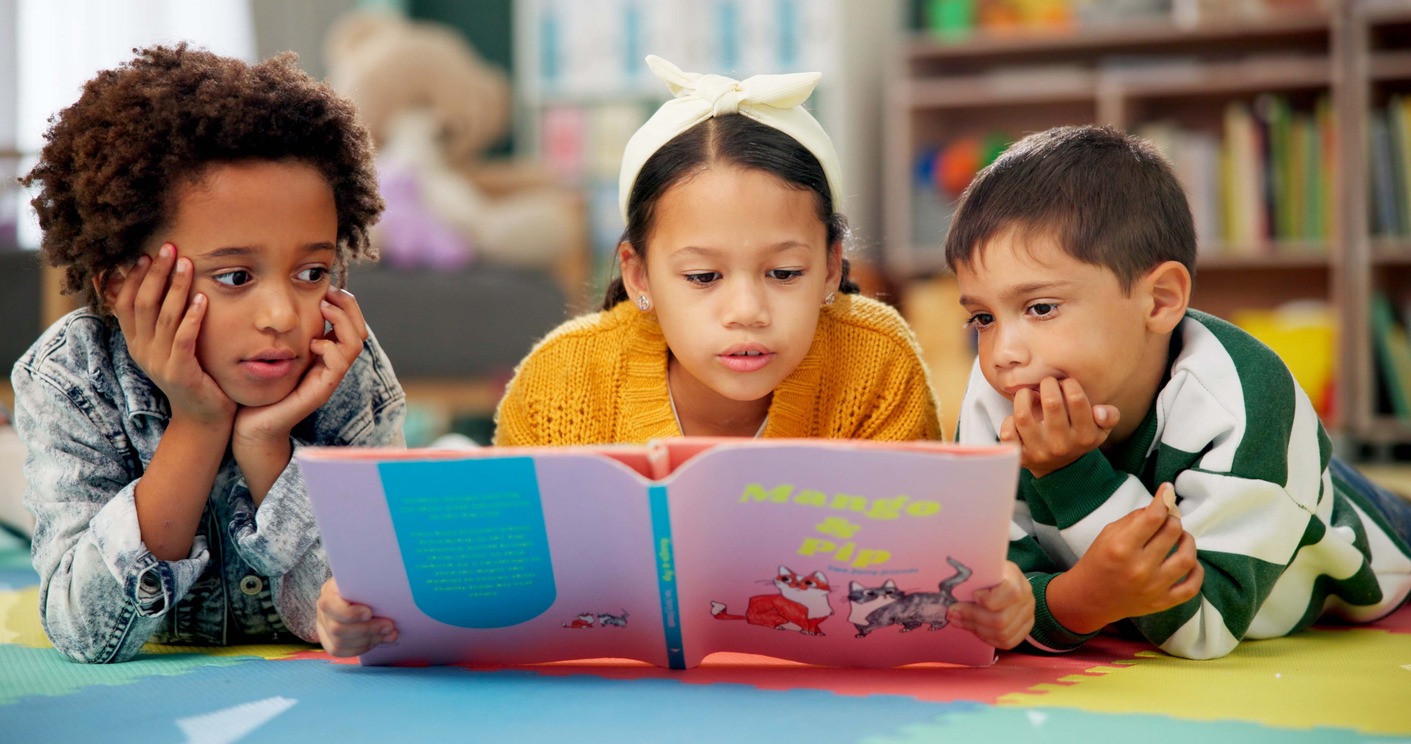
China is one of the world’s leading producers of children’s picture books, offering a vast selection of affordable, high-quality titles for global markets. For distributors, retailers, and educational suppliers across Africa and beyond, the opportunity to export children’s picture books from China is both commercially attractive and strategically valuable.
However, sourcing, quality control, logistics, and compliance can present challenges. This guide explains how businesses can efficiently buy and export children’s picture books from China while ensuring reliability, cost efficiency, and smooth supply chain operations.
Why Source Children’s Picture Books from China?
China’s publishing and printing industry has developed significant capabilities, making it a preferred sourcing destination for children’s books.
1. Competitive Pricing
Chinese manufacturers benefit from economies of scale, allowing businesses to purchase books at lower unit costs. This is especially important for wholesalers and distributors targeting price-sensitive markets.
2. Wide Product Variety
Suppliers in China offer a broad range of children’s picture books, including:
- Educational books (alphabet, numbers, early learning)
- Storybooks and illustrated fiction
- Interactive books (pop-up, touch-and-feel)
- Custom-designed or private-label books
3. High-Quality Printing
Modern printing technology ensures vibrant illustrations, durable binding, and child-safe materials—critical factors when sourcing for schools or retail distribution.
Key Considerations When Exporting Children’s Picture Books
While the opportunity is strong, businesses must carefully manage several factors when they export children’s picture books from China.
Supplier Verification
Not all suppliers meet international standards. Verifying credentials, certifications, and production capacity is essential to avoid delays or substandard products.
Compliance and Safety Standards
Children’s books must meet safety requirements such as:
- Non-toxic inks and materials
- Age-appropriate content
- Compliance with destination country regulations
Intellectual Property and Licensing
Ensure that books are legally licensed for export. Unauthorized reproductions can lead to legal complications and reputational risk.
Language and Market Relevance
Books should align with the target market’s language and cultural context. In many African markets, bilingual or locally relevant content can improve sales performance.
Logistics and Shipping Challenges
Exporting books involves more than just purchasing inventory. Logistics planning plays a major role in profitability and efficiency.
Freight Management
Books are relatively heavy and can incur significant shipping costs. Choosing between sea freight and air freight depends on urgency and budget.
Customs Clearance
Proper documentation—including invoices, packing lists, and certificates—is required to avoid customs delays.
Warehousing and Distribution
Efficient storage and last-mile delivery are critical, particularly for wholesalers supplying multiple retailers or institutions.
How Wigmore Trading Simplifies the Process
Navigating sourcing and export processes can be complex, especially for businesses entering international trade. Wigmore Trading provides end-to-end support to streamline operations.
Supplier Sourcing and Verification
Wigmore Trading works with vetted manufacturers in China, ensuring that businesses access reliable suppliers producing high-quality children’s picture books.
Quality Control
Pre-shipment inspections help confirm that products meet required specifications, reducing the risk of defects or non-compliance.
Logistics Coordination
From freight booking to customs clearance, Wigmore Trading manages logistics efficiently, helping businesses reduce delays and control costs.
Regulatory Compliance
Understanding import regulations can be challenging. Wigmore Trading assists with documentation and compliance to ensure smooth entry into destination markets.
Supply Chain Optimization
By coordinating sourcing, shipping, and distribution, Wigmore Trading helps businesses maintain consistent inventory flow and avoid disruptions.
Opportunities in African Markets
Demand for children’s educational materials is growing rapidly across Africa due to:
- Expanding school enrolment
- Increased focus on early childhood education
- Growth in retail and e-commerce distribution channels
Businesses that successfully export children’s picture books from China can tap into:
- School supply contracts
- Retail bookstore networks
- Online marketplaces
- NGO and educational programs
Working with an experienced partner like Wigmore Trading allows businesses to scale efficiently while maintaining product quality and supply reliability.
Best Practices for Success
To maximise results when importing children’s books, businesses should:
- Plan inventory carefully to avoid overstocking or shortages
- Request samples before placing bulk orders
- Monitor shipping timelines to align with demand cycles
- Diversify product range to appeal to different age groups
- Work with trusted partners for sourcing and logistics
These steps help reduce risk and improve overall supply chain performance.
Conclusion
Choosing to export children’s picture books from China offers significant advantages in cost, variety, and scalability. However, success depends on effective supplier selection, compliance management, and logistics coordination.
By working with a reliable partner, businesses can overcome these challenges and build a sustainable supply chain for children’s educational products.
Wigmore Trading can help. Contact Wigmore Trading today to streamline your sourcing.






Comments are closed.