
Buy and export Furniture from the United Kingdom with Wigmore Trading

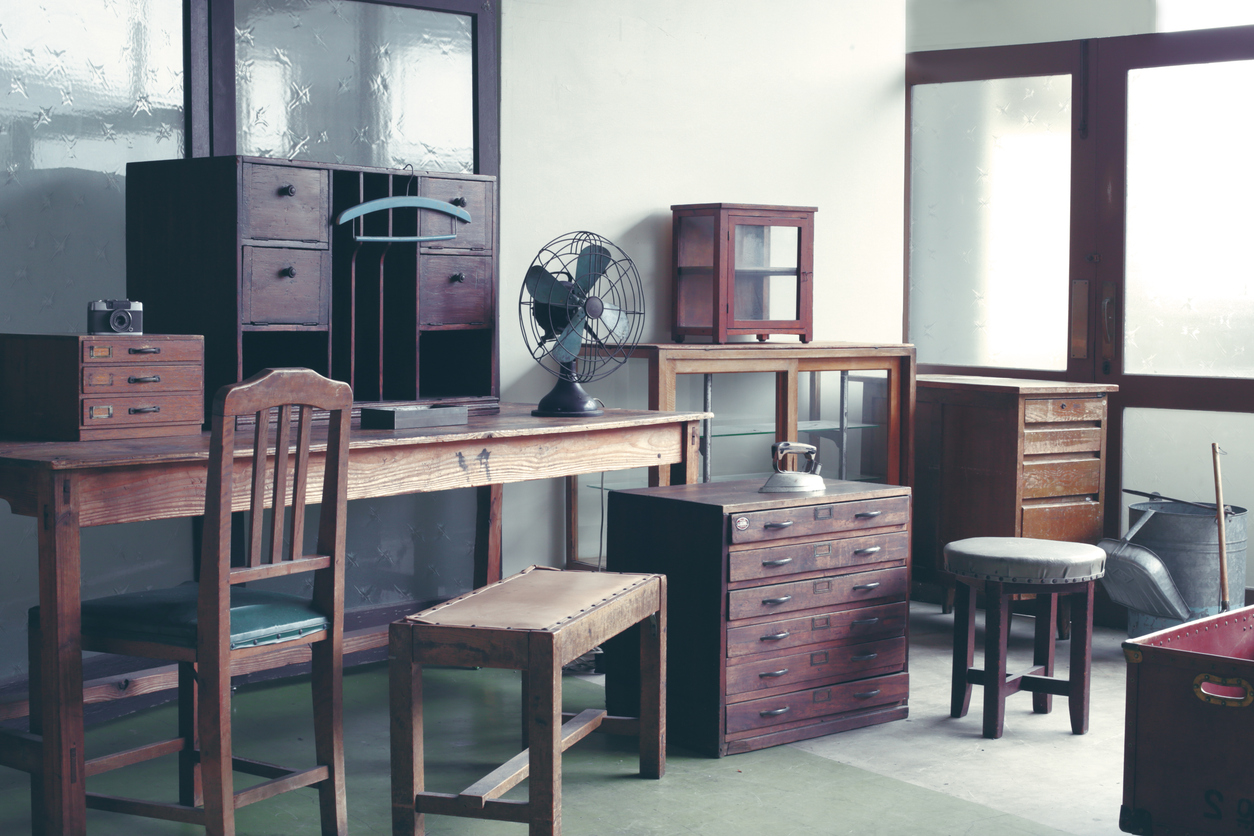
The UK is a strong sourcing market for commercial and residential furniture, spanning contract-grade office fit-outs, hospitality seating, flat-pack ranges, bespoke joinery, and premium upholstered pieces. But to export Furniture successfully, you need more than a good supplier—you need the right customs setup, compliant materials and labelling, export-ready packaging, and reliable shipping plans.
Wigmore Trading can help you source, consolidate, and ship furniture from the UK to Africa and other global markets—reducing delays, damage risk, and compliance issues.
Why companies choose to export Furniture from the UK
UK furniture suppliers often stand out for:
-
Consistent manufacturing standards and traceable supply chains
-
A wide range of styles (modern, classic, contract, bespoke)
-
Strong capability in hospitality and office projects
-
Access to used/refurbished contract furniture where appropriate (with checks)
For importers, distributors, project contractors, and retailers, the UK can be a dependable origin—especially when lead times and product consistency matter.
Export Furniture sourcing: define the right spec before you buy
Furniture problems usually show up after the container lands: wrong dimensions, inconsistent finishes, missing fittings, fragile packaging, or items that don’t match the project schedule.
Before you place an order, lock in:
-
Dimensions, tolerances, and drawings (especially for modular/bespoke)
-
Materials (solid wood vs veneer vs MDF; fabric composition; foam type)
-
Finish system (lacquer type, scratch resistance expectations)
-
Hardware standards (hinges, drawer runners, fixings)
-
Spare parts and after-sales expectations
Wigmore Trading can help by verifying specifications with suppliers, arranging sampling, and aligning packaging and labeling with your destination requirements.
Export Furniture compliance basics for UK shipments
Get the export fundamentals right (EORI, classification, declarations)
To export goods from the UK, businesses typically need the correct EORI number, classify goods using the right commodity codes, and complete export customs declarations.
In practice, this means deciding who will act as exporter of record, who will submit declarations, and which Incoterms (e.g., EXW, FOB, CIF, DAP) best match your risk and cost model.
Wigmore Trading can coordinate documentation workflows with your freight and customs partners to keep shipments moving.
VAT treatment: understand zero-rating and evidence
Many UK exports can be zero-rated for VAT, but this generally depends on meeting conditions and keeping evidence of export within required time limits.
If you’re buying from the UK for export, it’s important to structure invoices and shipping documentation correctly so there’s no confusion later.
Documentation you should expect for furniture shipments
Most “export Other Furniture” shipments will require:
-
Commercial invoice (with clear item descriptions, values, currency, Incoterms, and country of origin where needed)
-
Packing list (carton counts, dimensions, weights, and packing method)
-
Export declaration (CDS)
-
Proof of origin when requested by the buyer or required to claim preferential duty rates (varies by destination and trade agreement)
If you are supplying projects (hotels, offices, retail fit-outs), buyers may also request material specs, care instructions, or inspection photos before dispatch.
Packaging rules that can affect furniture exports
Furniture is high-risk cargo: corners crush, glass cracks, veneers scratch, and humidity can warp panels. Professional export packaging is not optional.
Key packaging practices for export Furniture:
-
Edge protectors, corner guards, and reinforced cartons for flat-pack
-
Bubble wrap + foam + rigid protection for finished surfaces
-
Desiccants and moisture barriers for humid routes
-
Clear carton markings and a detailed packing list (by carton number)
Wood packaging rules (pallets and crates)
If you’re using solid wood packaging (pallets, crates, dunnage), many destinations require ISPM 15 compliant treatment and marking, and the UK government advises exporters to check the destination’s acceptance and any extra rules.
Wigmore Trading can help align packaging choices with your destination port requirements to reduce inspection delays.
Shipping options to export Furniture efficiently
Your best shipping method depends on volume, fragility, and timelines:
-
FCL (Full Container Load): best for bulk orders and project cargo
-
LCL (Less than Container Load): flexible for mixed SKUs, but higher handling risk
-
Air freight: only for urgent, high-value items or spare parts
For most distributors and contractors, container shipping (FCL or consolidated LCL) is the sweet spot. Wigmore Trading can help you consolidate multiple suppliers into one export shipment—reducing per-unit freight costs and simplifying import clearance.
A simple export Furniture checklist (UK to destination)
-
Confirm product specs, materials, and packaging standard
-
Validate supplier documentation (invoice, packing list, product info)
-
Ensure EORI/export setup and correct commodity classification
-
Plan ISPM 15-compliant pallets/crates where needed
-
Check for CITES-sensitive timber species
-
Choose Incoterms, insurance, and delivery responsibilities
-
Book freight and align export declarations through CDS processes
How Wigmore Trading supports your UK furniture exports
Wigmore Trading can help you export Furniture from the UK with less risk by supporting:
-
Supplier sourcing and vetting
-
Specification confirmation and pre-shipment checks
-
Export-grade packaging guidance and consolidation
-
Freight coordination and documentation readiness
Contact Wigmore Trading today to streamline your sourcing and shipping from the UK.






Comments are closed.