
Buy and Export Garden Tools from China with Wigmore Trading

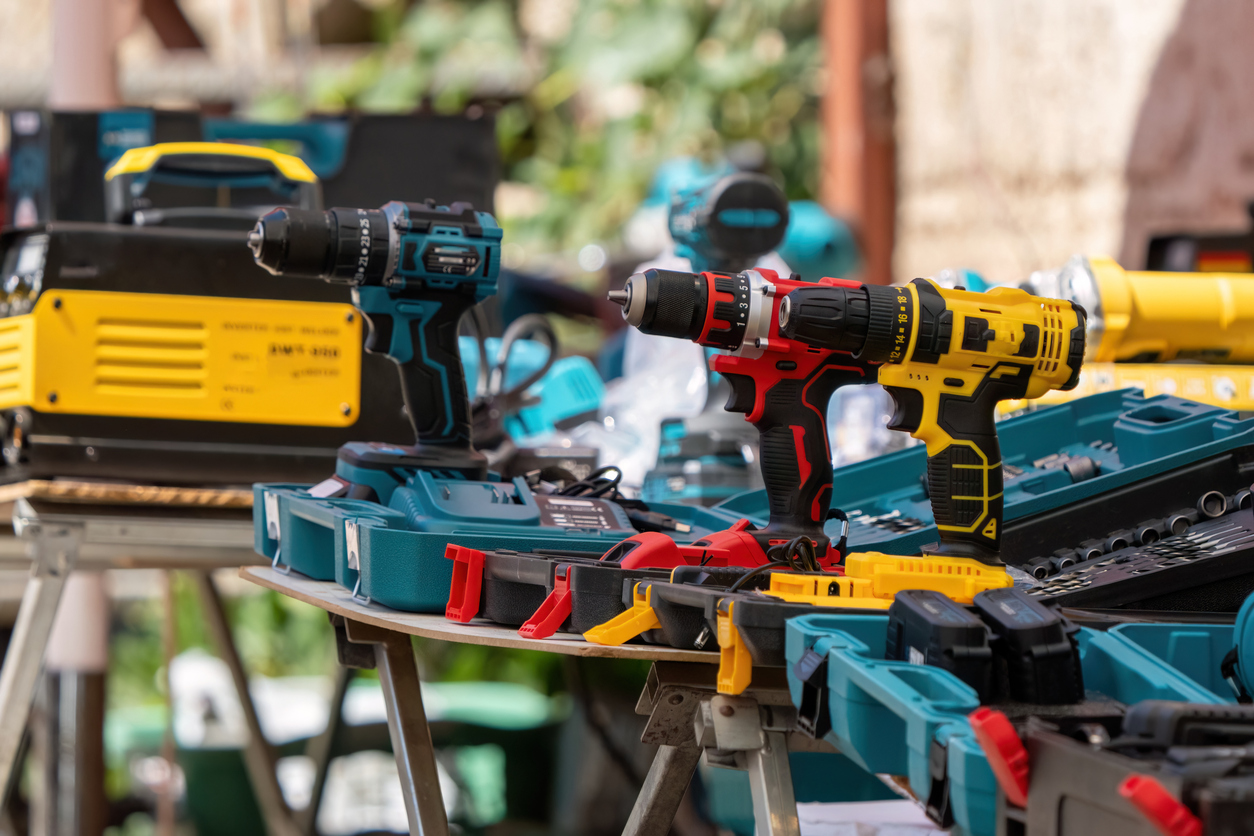
China remains one of the world’s leading manufacturers of garden tools, offering a wide range of products at competitive prices. For businesses across Africa and beyond, the opportunity to buy and export garden tools from China presents a strong commercial advantage—provided the process is managed correctly.
This guide explains how to source high-quality garden tools, navigate export procedures, and ensure efficient delivery, while highlighting practical ways to overcome common challenges.
Why Source Garden Tools from China?
China’s dominance in the manufacturing sector is driven by scale, specialization, and cost efficiency. For garden tools such as shovels, pruning shears, rakes, watering equipment, and power tools, Chinese suppliers offer:
- Competitive wholesale pricing
- Wide product variety and customization options
- Established manufacturing clusters with consistent output
- Access to both budget and premium quality tiers
For distributors, retailers, and agricultural supply businesses, this makes China a strategic sourcing destination.
Understanding the Market Demand
The demand for garden tools is growing across Africa due to increased interest in agriculture, landscaping, and home gardening. Urbanization and food security initiatives are also driving demand for reliable and affordable tools.
Businesses that buy and export garden tools from China can benefit from:
- Seasonal demand cycles (planting and harvesting periods)
- Expansion of agribusiness and landscaping sectors
- Growing retail markets for home improvement products
However, success depends on sourcing the right products and ensuring consistent supply.
Key Steps to Buying Garden Tools from China
1. Supplier Identification and Verification
Finding the right supplier is critical. While online marketplaces provide access to thousands of manufacturers, not all meet international standards.
Important checks include:
- Business licenses and export certifications
- Product quality standards and testing reports
- Production capacity and lead times
- Previous export experience
Working with a sourcing partner like Wigmore Trading can help verify suppliers and reduce the risk of fraud or substandard goods.
2. Product Quality Assessment
Garden tools must be durable, safe, and suitable for local conditions. Poor-quality tools can damage your brand reputation and lead to losses.
Key considerations:
- Material quality (steel grade, coatings, plastics)
- Ergonomic design and durability
- Compliance with safety standards
- Packaging for export and retail
Pre-shipment inspections and sample testing are essential to ensure consistency.
3. Price Negotiation and Order Terms
Pricing from Chinese suppliers is often negotiable, especially for bulk orders. However, the lowest price does not always mean the best value.
Factors to consider:
- Minimum order quantities (MOQs)
- Payment terms (e.g., deposit and balance)
- Production timelines
- Shipping terms (FOB, CIF, etc.)
A structured negotiation approach helps balance cost with reliability.
Export and Logistics Considerations
Shipping and Freight Management
Garden tools are typically bulky and heavy, making shipping efficiency crucial. Businesses must choose between:
- Sea freight: Cost-effective for large shipments
- Air freight: Faster but more expensive
Proper container loading and packaging reduce damage and optimize costs.
Customs and Compliance
Exporting from China and importing into African markets requires compliance with both countries’ regulations.
Key requirements include:
- Commercial invoices and packing lists
- Certificates of origin
- Import permits and duties
- Product-specific regulations (if applicable)
Errors in documentation can lead to delays, fines, or shipment rejection.
Warehousing and Distribution
Once goods arrive, efficient distribution is essential to maintain supply chain performance. Businesses should plan for:
- Local warehousing
- Inventory management
- Last-mile delivery to retailers or customers
Common Challenges and How to Address Them
Quality Inconsistency
Without proper oversight, product quality may vary between shipments. Regular inspections and clear specifications help maintain standards.
Supplier Communication Gaps
Language barriers and time differences can lead to misunderstandings. Clear contracts and professional intermediaries reduce these risks.
Logistics Delays
Shipping disruptions, port congestion, and customs issues can impact delivery timelines. Advance planning and reliable logistics partners are key.
Compliance Risks
Failure to meet import regulations can result in penalties. Ensuring all documentation and standards are met is essential.
How Wigmore Trading Supports the Process
For businesses looking to buy and export garden tools from China, managing sourcing, logistics, and compliance can be complex. Wigmore Trading provides practical support across the supply chain, including:
- Supplier sourcing and verification
- Quality control and inspections
- Price negotiation and procurement management
- Freight coordination and customs handling
- Distribution support across African markets
By streamlining these processes, businesses can reduce risks, control costs, and focus on growth.
Conclusion
Buying and exporting garden tools from China offers strong commercial potential for businesses involved in agriculture, retail, and distribution. However, success depends on careful supplier selection, quality assurance, and efficient logistics management.
With the right strategy and support, businesses can build a reliable supply chain and meet growing market demand.
Wigmore Trading can help. Contact Wigmore Trading today to streamline your sourcing.






Comments are closed.