
Buy and Export Non-Knit Men’s Shirts from China with Wigmore Trading

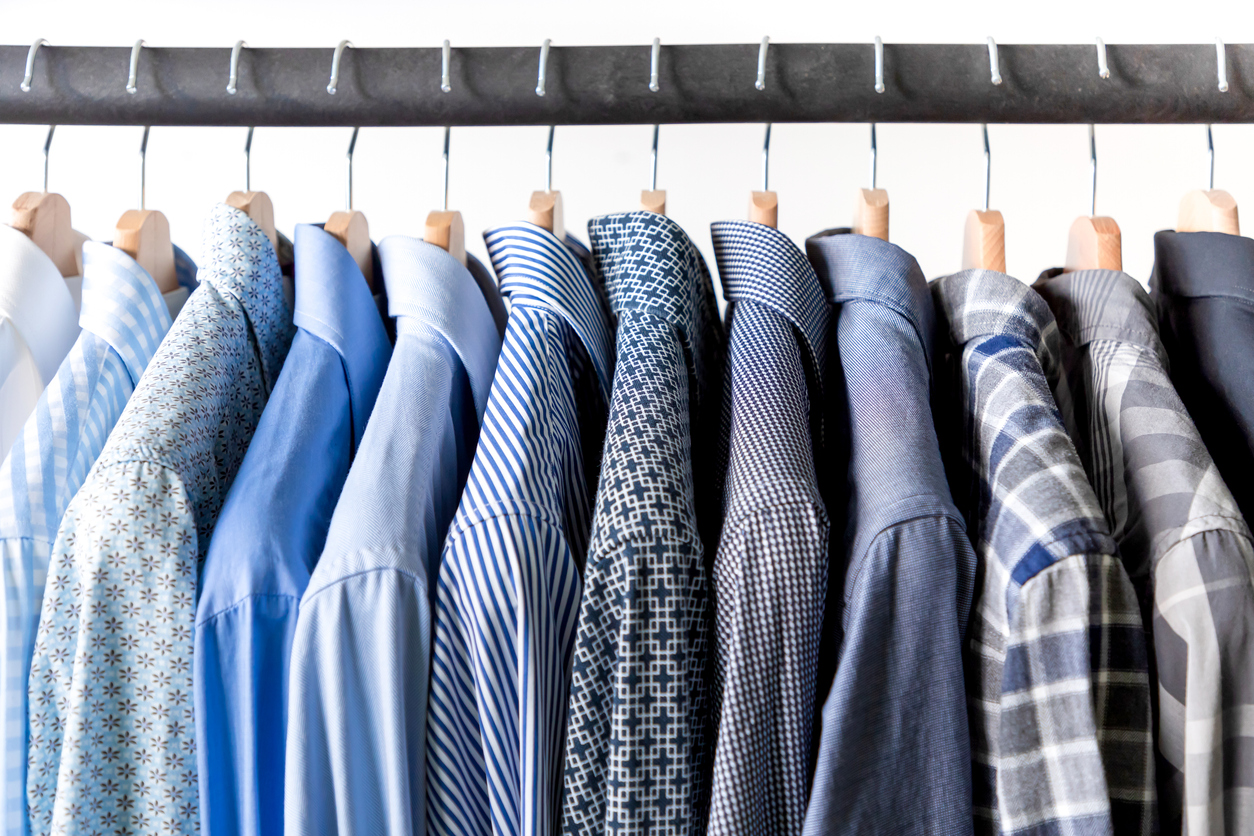
The global apparel market continues to evolve, but one product category remains consistently in demand: non-knit men’s shirts. From formal woven dress shirts to casual button-downs, non-knit shirts are a staple in retail, wholesale, and corporate supply chains worldwide.
For importers, wholesalers, and distributors looking to source competitively priced garments, non-knit men’s shirts from China offer a strong combination of quality, scale, and affordability. However, successful sourcing requires more than simply placing an order. It involves supplier verification, quality control, logistics management, and regulatory compliance.
This is where Wigmore Trading can help.
What Are Non-Knit Men’s Shirts?
Non-knit men’s shirts are made from woven fabrics rather than knitted materials. Common examples include:
• Woven cotton shirts
• Polyester-cotton blend shirts
• Formal dress shirts
• Corporate uniform shirts
• Casual button-down shirts
Unlike knit shirts such as t-shirts or polo shirts, woven shirts typically offer more structure, durability, and a formal appearance. They are widely used in retail fashion, corporate wear programs, hospitality uniforms, and wholesale garment distribution.
Why Source Non-Knit Men’s Shirts from China?
China remains one of the world’s largest apparel manufacturing hubs. For buyers in Africa, Europe, and other emerging markets, sourcing from China offers several practical advantages.
Large-Scale Manufacturing Capacity
Chinese garment factories operate at significant scale. This allows buyers to place bulk orders of non-knit men’s shirts while maintaining consistent sizing, stitching quality, and fabric standards.
Competitive Pricing
Due to mature supply chains and access to raw materials, Chinese manufacturers can offer cost-effective production. For wholesalers and distributors, this translates into improved margins and pricing flexibility in local markets.
Fabric Variety and Customisation
Importers can choose from a wide range of woven fabrics, including cotton poplin, twill, Oxford cloth, and polyester blends. Customisation options often include:
• Private labeling
• Custom sizing specifications
• Corporate branding
• Packaging requirements
For businesses building their own clothing brands, sourcing non-knit men’s shirts from China provides flexibility in design and branding.
Key Considerations When Importing Non-Knit Men’s Shirts
While China offers strong sourcing opportunities, buyers must carefully manage the procurement process to avoid common risks.
Supplier Verification
Not all suppliers operate at the same quality or compliance level. Due diligence is essential to confirm factory credentials, production capabilities, and export experience.
Wigmore Trading works with established manufacturers and conducts supplier checks to reduce sourcing risk.
Quality Control and Fabric Standards
Fabric weight, stitching consistency, colourfastness, and sizing accuracy are critical in the men’s shirt market. Poor quality control can lead to returns, reputational damage, and financial loss.
Pre-shipment inspections and clear product specifications help ensure that non-knit men’s shirts meet agreed standards before export.
Minimum Order Quantities (MOQs)
Chinese factories often require MOQs, particularly for custom orders. Importers must balance order size with inventory turnover and market demand. Consolidated sourcing strategies can help manage costs and reduce excess stock.
Compliance and Labelling
Different markets have different labelling and textile compliance requirements. This may include:
• Fibre composition labelling
• Country of origin marking
• Care instructions
• Safety or chemical compliance standards
Working with an experienced export partner ensures documentation and labelling meet destination country regulations.
Logistics and Export Process
Exporting non-knit men’s shirts from China involves coordinated logistics. Key stages typically include:
-
Production lead time
-
Quality inspection
-
Freight booking (sea or air)
-
Customs clearance
-
Delivery to destination warehouse
Sea freight is often the most cost-effective method for bulk apparel shipments, particularly for African and European importers. Air freight may be suitable for urgent or smaller consignments.
Wigmore Trading assists clients with freight coordination, documentation, and customs processes to ensure smooth delivery from factory to destination.
Demand for Non-Knit Men’s Shirts from China in African Markets
In many African markets, demand for affordable yet durable men’s clothing continues to grow. Retailers and wholesalers are looking for reliable suppliers of:
• Office wear
• School uniform shirts
• Hospitality uniforms
• Smart-casual fashion shirts
Importing non-knit men’s shirts from China allows distributors to meet price-sensitive consumer demand while maintaining acceptable quality standards.
With experience in African trade routes and customs procedures, Wigmore Trading supports importers navigating these markets efficiently.
Risk Management in Apparel Sourcing
Apparel sourcing involves fluctuating raw material costs, currency risks, and potential shipping delays. To mitigate these risks, businesses should:
• Secure clear contracts with production timelines
• Confirm fabric and sample approvals before bulk production
• Plan inventory around seasonal demand
• Diversify shipping timelines to avoid port congestion
Partnering with an experienced sourcing intermediary reduces exposure to production or logistics disruptions.
How Wigmore Trading Supports Your Sourcing Strategy
Wigmore Trading works with importers, wholesalers, and corporate buyers to source non-knit men’s shirts from China efficiently and responsibly. Services include:
• Supplier identification and verification
• Product specification alignment
• Quality control coordination
• Freight and export management
• Consolidated shipments
Rather than navigating international sourcing alone, businesses can rely on structured procurement processes and established supplier networks.
Whether you require private-label dress shirts, uniform supply contracts, or bulk wholesale stock, Wigmore Trading can help.
Conclusion
The global market for non-knit men’s shirts remains strong, driven by demand across retail, corporate, and uniform sectors. China continues to offer scalable manufacturing, competitive pricing, and fabric variety for importers worldwide.
However, successful importing depends on proper supplier vetting, quality control, regulatory compliance, and logistics coordination. By working with an experienced sourcing and export partner, businesses can reduce risk while improving supply chain efficiency.
If you are looking to buy and export non-knit men’s shirts from China, contact Wigmore Trading today to streamline your sourcing.




Comments are closed.