
Buy and Export Other Synthetic Fabrics from China with Wigmore Trading

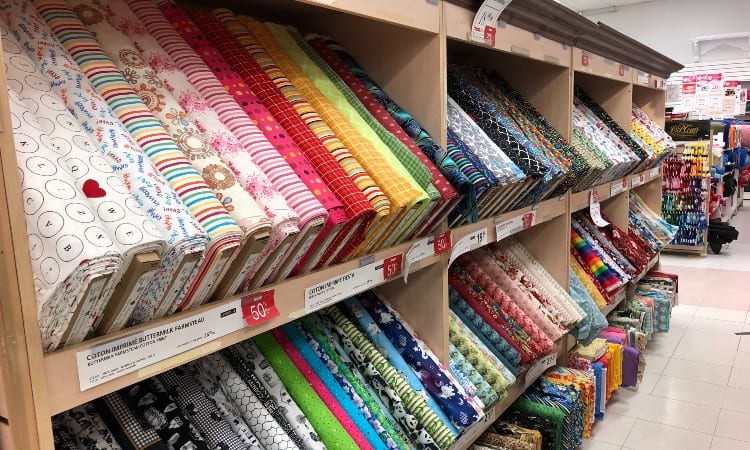
China remains the world’s leading producer of synthetic textiles, supplying global markets with competitively priced, high-quality fabrics for fashion, industrial, automotive, and home applications. For importers, wholesalers, and manufacturers looking to export synthetic fabrics from China, understanding sourcing channels, compliance requirements, and logistics planning is essential.
This guide explores how to successfully buy and export other synthetic fabrics from China while managing quality, cost, and supply chain risks.
Why Export Synthetic Fabrics from China?
China’s textile industry benefits from advanced manufacturing infrastructure, integrated supply chains, and economies of scale. Synthetic fabrics such as polyester, nylon, acrylic, spandex blends, microfiber, and performance textiles are widely available in varying grades and finishes.
Key advantages include:
-
Competitive production costs
-
Large production volumes and scalability
-
Wide product variety (woven, knitted, coated, blended)
-
Advanced technical fabric development
-
Established export systems and ports
For businesses in Africa, Europe, the Middle East, and beyond, sourcing from China offers a reliable supply base for both mass-market and specialised textile applications.
Types of Synthetic Fabrics Available for Export from China
When planning to export synthetic fabrics from China, it is important to understand the available categories and their commercial uses.
Polyester Fabrics
Polyester remains the most widely produced synthetic fibre globally. Chinese suppliers offer:
-
Woven polyester (for garments and uniforms)
-
Polyester blends (poly-cotton, poly-viscose)
-
Microfiber fabrics
-
Recycled polyester (rPET)
Nylon Fabrics
Commonly used in sportswear, outdoor gear, and industrial applications, nylon fabrics from China include:
-
Ripstop nylon
-
Coated nylon
-
Stretch nylon blends
Acrylic and Specialty Synthetic Fabrics
Acrylic fabrics are often used in knitwear and home textiles. Other specialty fabrics include:
-
Waterproof or coated textiles
-
Flame-retardant fabrics
-
Automotive upholstery textiles
-
Technical performance materials
Selecting the right fabric depends on your target market, climate, regulatory requirements, and end-use specifications.
Key Considerations When You Export Synthetic Fabrics from China
Successfully exporting synthetic fabrics requires more than identifying a low-cost supplier. Buyers must evaluate quality standards, trade compliance, and logistics.
Supplier Verification and Quality Control
China’s textile sector includes both large integrated mills and smaller manufacturers. Proper due diligence is essential to ensure:
-
Fabric composition matches specifications
-
GSM (grams per square meter) consistency
-
Colorfastness and shrinkage standards
-
Compliance with environmental regulations
Pre-shipment inspections, lab testing, and third-party verification reduce risk. Structured supplier audits are particularly important for wholesalers and distributors supplying retail chains or industrial buyers.
Trade Documentation and Compliance
When you export synthetic fabrics from China, required documentation typically includes:
-
Commercial invoice
-
Packing list
-
Bill of lading
-
Certificate of origin
-
HS code classification
-
Compliance certificates (if required by destination market)
Some markets require additional chemical compliance certifications such as REACH (Europe) or restricted substances testing.
Errors in classification or documentation can result in customs delays and unexpected duties. Working with experienced trade partners helps mitigate these risks.
Logistics and Freight Planning
Synthetic fabrics are usually shipped in rolls or bales, making packaging and container optimization important for cost control. Sea freight remains the most economical option for bulk shipments, though air freight may be suitable for urgent orders.
Key logistics considerations include:
-
Container loading efficiency
-
Moisture protection during transit
-
Port selection in China
-
Destination port clearance capacity
Freight rates fluctuate seasonally, so shipment timing and booking strategy can significantly affect landed cost.
Managing Cost Structures When Exporting Synthetic Fabrics
Understanding total landed cost is critical for profitability. Buyers must account for:
-
Unit price per meter or per kilogram
-
Minimum order quantities (MOQs)
-
Inland transport in China
-
Freight charges
-
Customs duties and taxes
-
Warehousing and distribution costs
Low factory pricing does not always translate into lower overall cost. Evaluating supplier reliability, consistency, and long-term scalability is equally important.
Challenges in Exporting Synthetic Fabrics from China
While opportunities are strong, businesses may face:
-
Quality inconsistencies across batches
-
Communication barriers
-
Production delays during peak seasons
-
Regulatory changes
-
Rising freight costs
Proactive supplier management, diversified sourcing strategies, and structured logistics planning help reduce these risks.
How Wigmore Trading Supports Synthetic Fabric Sourcing and Export
For companies looking to export synthetic fabrics from China to Africa and other emerging markets, Wigmore Trading provides structured supply chain support.
Services include:
-
Supplier identification and verification
-
Price negotiation and procurement management
-
Quality inspections and testing coordination
-
Export documentation handling
-
Freight coordination and customs clearance
-
Distribution support in destination markets
By combining sourcing expertise with logistics and trade compliance experience, Wigmore Trading helps businesses streamline procurement and reduce operational risk.
Conclusion
China remains a dominant global hub for synthetic fabric production, offering diverse product options at competitive pricing. However, successfully planning to export synthetic fabrics from China requires careful supplier selection, quality assurance, documentation accuracy, and logistics coordination.
Businesses that adopt structured sourcing strategies and reliable supply chain partnerships are better positioned to secure consistent quality and stable margins.
Wigmore Trading can help. Contact Wigmore Trading today to streamline your sourcing.





Comments are closed.