
Buy and Export Packing Bags from China with Wigmore Trading

China remains one of the world’s leading manufacturers of packing bags, supplying global markets with cost-effective and customizable packaging solutions. For importers, wholesalers, FMCG distributors, and industrial buyers across Africa and other emerging markets, sourcing and exporting packing bags from China offers strong commercial advantages—if managed correctly.
This guide explains how to buy and export packing bags from China efficiently, the key considerations when selecting suppliers, and how Wigmore Trading can support your sourcing and logistics needs.
Why Export Packing Bags from China?
China’s packaging industry is highly developed, with large-scale production capabilities across multiple categories, including:
-
Polypropylene (PP) woven bags
-
Polyethylene (PE) plastic bags
-
Laminated and printed packaging bags
-
Bulk bags (FIBC / jumbo bags)
-
Food-grade packaging bags
-
Industrial and agricultural packing bags
Manufacturers in regions such as Zhejiang, Guangdong, and Shandong offer competitive pricing due to economies of scale, access to raw materials, and advanced manufacturing technology.
For importers in Africa and other growth markets, exporting packing bags from China can provide:
-
Lower unit costs compared to local manufacturing
-
Custom branding and private label options
-
Wide product variety and specification flexibility
-
High-volume supply reliability
However, cost savings can quickly disappear if quality control, shipping logistics, and supplier verification are not handled properly.
Types of Packing Bags Commonly Exported
Understanding the right type of packing bag for your industry is essential.
1. PP Woven Bags
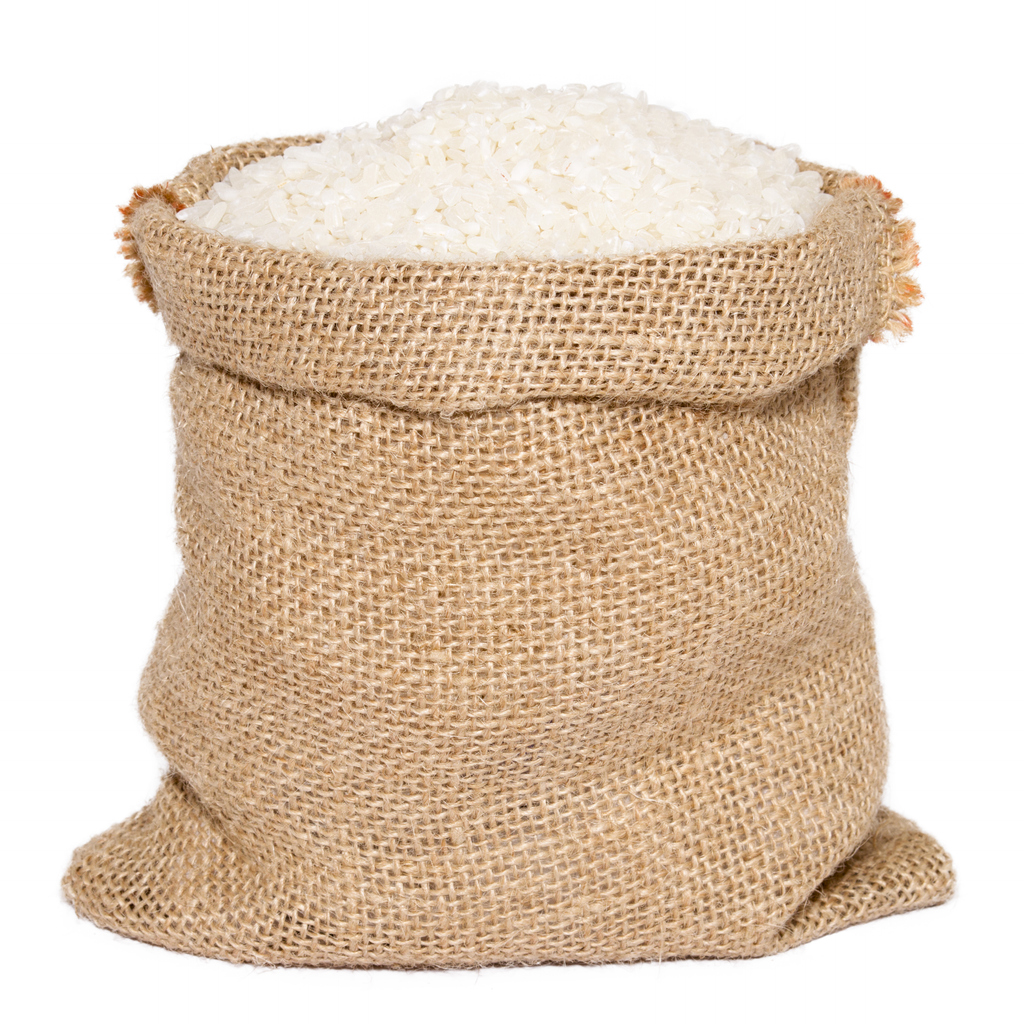
Commonly used for agricultural products such as rice, maize, flour, and fertilizer, PP woven bags from China are durable and cost-effective. These can be laminated for moisture resistance and custom-printed for branding.
2. Plastic Packaging Bags
PE and HDPE plastic packing bags are widely used in retail, FMCG, and industrial sectors. Buyers often request customized thickness (microns), dimensions, and printing.
3. Jumbo Bags (FIBC)
Flexible Intermediate Bulk Containers (FIBC) are used for transporting bulk materials such as grains, chemicals, minerals, and cement. China is a major exporter of FIBC bulk bags due to its large-scale industrial production.
4. Food-Grade Packing Bags
For food manufacturers and distributors, compliance with food safety standards is critical. Chinese suppliers can provide food-grade certified packaging, but verification is essential before shipment.
Wigmore Trading works with clients to determine the correct packaging specifications based on product type, storage conditions, and transportation requirements.
Key Considerations When Buying Packing Bags from China
Supplier Verification
Not all manufacturers offer the same level of quality or compliance. Before exporting packing bags from China, buyers should verify:
-
Business licenses and export certifications
-
Production capacity
-
Quality management systems
-
Previous export history
Working with an experienced sourcing partner reduces risk and ensures you engage reputable suppliers.
Minimum Order Quantities (MOQs)
Chinese manufacturers often require high MOQs. Importers should calculate total landed cost, including freight, duties, and warehousing, to ensure volumes are commercially viable.
Wigmore Trading helps clients consolidate orders and optimize shipping volumes to reduce per-unit costs.
Customization and Branding
Many wholesalers and FMCG brands require customized packaging with logos, product information, and barcodes. Artwork files must meet factory specifications, and print samples should be approved before mass production.
Clear communication at this stage prevents costly reprints and delays.
Quality Control and Inspection
Quality issues such as weak stitching, incorrect dimensions, or inconsistent printing can cause major losses upon arrival. Pre-shipment inspection and factory audits are strongly recommended.
A structured inspection process ensures exported packing bags meet agreed specifications before loading.
Shipping and Logistics When Exporting Packing Bags from China
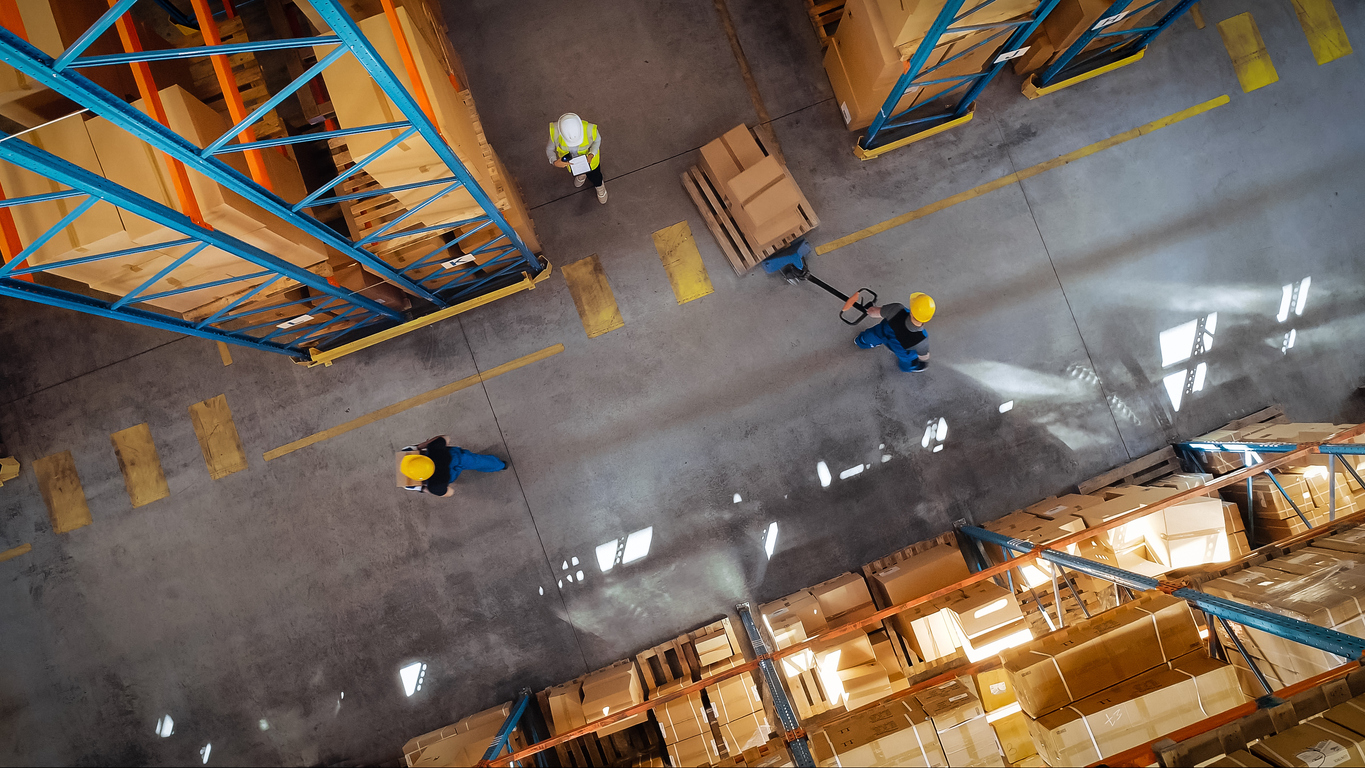
Freight costs play a significant role in overall profitability. Packing bags are lightweight but often bulky, meaning container space utilization is critical.
Buyers must decide between:
-
Full Container Load (FCL)
-
Less than Container Load (LCL)
FCL is typically more cost-effective for high-volume orders, especially for PP woven bags or jumbo bags.
Documentation required includes:
-
Commercial Invoice
-
Packing List
-
Bill of Lading
-
Certificate of Origin (if required)
Incorrect documentation can delay customs clearance and increase demurrage costs. Wigmore Trading supports clients by coordinating freight forwarding, export documentation, and customs processes to streamline imports into African and international markets.
Regulatory and Compliance Considerations
Importers should be aware of:
-
Local packaging regulations
-
Environmental policies on plastic packaging
-
Food safety requirements (for food-grade bags)
-
Labeling standards
Some African markets have introduced regulations on plastic thickness and recyclability. Ensuring compliance before export avoids fines and rejected shipments.
Wigmore Trading advises clients on market-specific compliance requirements to reduce regulatory risks.
Common Challenges in Exporting Packing Bags from China
While China offers competitive pricing, challenges can include:
-
Language and communication barriers
-
Production delays during peak seasons
-
Fluctuating raw material costs
-
Shipping congestion
-
Quality inconsistencies
Mitigating these risks requires supplier diversification, clear contracts, and professional logistics coordination.
Wigmore Trading can help manage supplier communication, monitor production timelines, and coordinate freight to minimize disruption.
Why Work with Wigmore Trading?
For importers, distributors, and industrial buyers looking to buy and export packing bags from China, working with a reliable sourcing and trade partner simplifies the process.
Wigmore Trading supports clients with:
-
Supplier sourcing and verification
-
Price negotiation
-
Quality control inspections
-
Freight and export logistics coordination
-
Import advisory services for African markets
Rather than dealing directly with multiple factories and freight agents, businesses can streamline procurement through a single experienced trade partner.
If you are looking to export packing bags from China efficiently and reduce sourcing risks, Wigmore Trading can help. Get in touch with our team to learn more.
Conclusion
Exporting packing bags from China presents strong commercial opportunities for wholesalers, FMCG brands, agricultural distributors, and industrial suppliers. With competitive manufacturing costs, customization options, and global shipping networks, China remains a leading source of packaging products.
However, successful importing requires careful supplier selection, quality control, logistics planning, and regulatory compliance. By working with an experienced trade partner, businesses can reduce risks and improve supply chain efficiency.
Contact Wigmore Trading today to streamline your sourcing and export operations.



Comments are closed.