
Buy and export recreational boats from the United Kingdom with Wigmore Trading

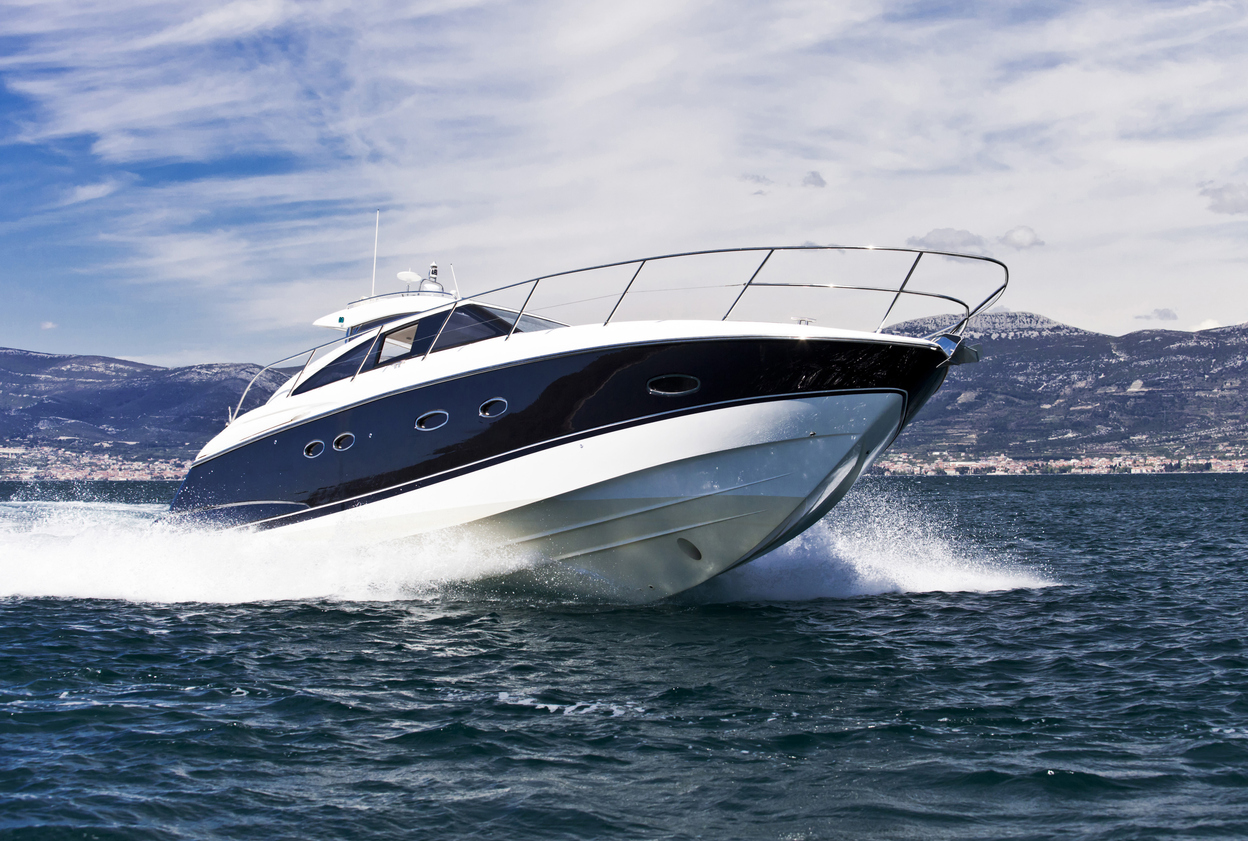
The UK is a strong sourcing market for recreational boats, from compact RIBs and day boats to performance motor yachts and sailing yachts. Buyers choose the UK for build quality, long-established marine supply chains, and a wide used-boat market supported by surveys, service history, and broker documentation.
If your goal is to export recreational boat purchases reliably—without delays at port, missing paperwork, or unexpected compliance issues—the process works best when you plan it like any other international shipment: confirm the spec, confirm the documents, then lock logistics and customs.
Wigmore Trading can help you source suitable boats in the UK and manage the export workflow end-to-end.
Why the UK is a practical sourcing market for recreational boats
UK yards and brands have global distribution networks and established aftersales ecosystems, which helps when you need manuals, spare parts, and build documentation. Well-known UK manufacturers include Princess Yachts (Plymouth) and Sunseeker (Poole), among others.
For used boats, the UK market is also structured around broker processes and standard agreements/bills of sale, which simplifies chain-of-title and purchase documentation.
Export recreational boat planning: choose the right route to the destination
There are two common ways to move a boat internationally:
1) Container or flat-rack shipment (often for smaller boats)
This can reduce exposure to weather and allows predictable port-to-port planning.
2) RoRo / deck cargo / yacht transport (often for larger boats)
This is common for bigger hulls where containerization isn’t feasible. Your freight partner will confirm lashing, cradle requirements, and lifting points.
Wigmore Trading can coordinate the method based on boat size, destination port capability, and insurance requirements.
Compliance that matters when you export recreational boats from the UK
Boat compliance depends on where the vessel will be placed on the market and how it will be used.
-
For the EU, recreational craft are governed by Directive 2013/53/EU, which sets requirements for design/manufacture and underpins CE conformity for relevant products.
-
In Great Britain, the Recreational Craft Regulations 2017 implement that framework domestically and define obligations for manufacturers/importers/distributors.
-
The UK government also sets out current approaches to product marking and, in several sectors, allows flexibility around CE/UKCA use for the GB market (important when documentation or labeling questions come up during resale).
Practical takeaway: if you’re exporting a boat to a destination that requires CE documentation (common in Europe), you should confirm what paperwork exists (e.g., declaration of conformity, manuals, builder plate details) before you pay the balance.
Wigmore Trading can help you confirm the paperwork pack you’ll need for customs clearance and destination-country compliance checks.
Documentation checklist to avoid port delays
Export shipments fail more often from paperwork gaps than from the boat itself. A typical pack may include:
-
Commercial invoice and buyer/seller details
-
Bill of sale (especially for used boats) and evidence of ownership chain
-
Packing/lashing details where relevant
-
Transport document (bill of lading / sea waybill)
-
Insurance certificate
-
Export customs declaration references (or your agent’s filing proof)
UK guidance highlights the importance of correct export documentation for international trade shipments.
For used boats, the RYA notes standard sale/purchase agreements and bills of sale used in private transactions—useful for demonstrating ownership and documenting the transfer.
Customs and export declarations: don’t leave it to the last minute
For commercial exports, you’ll typically need an export declaration made through the UK’s Customs Declaration Service (CDS), and the government provides guidance on making full export declarations and completing declaration data elements.
If you’re relocating by sailing the boat out (rather than shipping as cargo), the UK also has specific customs reporting considerations for pleasure craft departing the UK, including use of the “pleasure craft report” process.
Wigmore Trading can coordinate with customs agents/freight partners to ensure declarations, loading timelines, and port procedures align.
VAT and proof of export: protect your tax position
If you export goods from Great Britain, it’s common to zero-rate VAT—but it hinges on keeping acceptable evidence of export and meeting the rules (including time limits and the right documentation).
This is one area where buyers and sellers can misunderstand responsibilities. A clean workflow is:
-
agree Incoterms and who is exporter of record
-
confirm what evidence will be produced (and who keeps it)
-
match invoice values to customs values and shipping documents
Quality control before shipment: survey, sea trial, and condition reporting
For higher-value boats, a pre-purchase survey and sea trial reduce risk and help you negotiate repairs before export. Even for smaller craft, condition reporting matters because once the boat is loaded, claims become harder to prove.
Wigmore Trading can help arrange inspections and coordinate seller rectification before shipment—often the cheapest time to fix issues.
How Wigmore Trading supports recreational boat exports
When you want to export recreational boat purchases smoothly, Wigmore Trading can support with:
-
UK sourcing support (new/used) and supplier due diligence
-
Documentation coordination (commercial docs + ownership paperwork)
-
Export planning with freight partners (route, lifting, cradles, insurance)
-
Customs process coordination and shipment milestones
If you want to reduce risk and keep the shipment on schedule, contact Wigmore Trading today to streamline your sourcing. Wigmore Trading can help.






Comments are closed.