
Buy and Export Rubberworking Machinery from China with Wigmore Trading

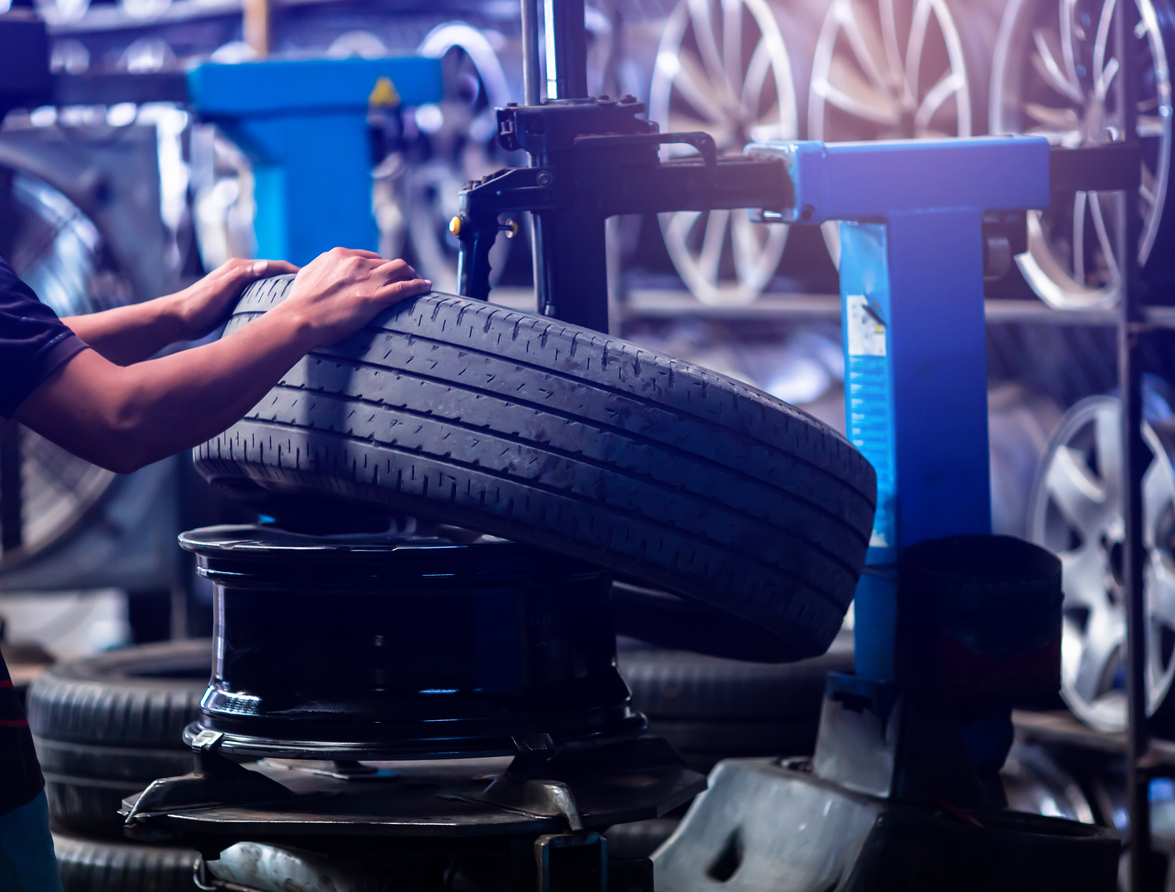
China is one of the world’s leading manufacturers of rubberworking machinery, supplying equipment to tire factories, rubber product manufacturers, and industrial processors across Africa and other emerging markets. For importers, distributors, and manufacturers looking to export rubberworking machinery from China, the opportunity is strong—but only when sourcing, quality control, and logistics are handled correctly.
This guide explains how to successfully buy and export rubberworking machinery from China, common challenges buyers face, and how Wigmore Trading helps streamline the entire process.
Understanding Rubberworking Machinery from China
Rubberworking machinery includes a wide range of industrial equipment used in rubber processing and manufacturing. Common categories include:
-
Rubber mixing mills
-
Internal mixers (Banbury mixers)
-
Rubber extruders
-
Rubber calenders
-
Vulcanizing presses
-
Tire curing presses
-
Rubber recycling and crushing machines
Chinese manufacturers produce machinery across all price and capacity levels, making China an attractive sourcing destination for African rubber processors, tire plants, and industrial distributors.
Why Import Rubberworking Machinery from China?
China’s dominance in rubber machinery manufacturing is driven by several key advantages:
Cost Efficiency
Compared to European or Japanese brands, Chinese rubberworking machinery offers competitive pricing without sacrificing essential functionality, making it ideal for developing and expanding markets.
Manufacturing Scale
China has thousands of specialized machinery factories, allowing buyers to source both standard equipment and customized rubber processing machines.
Technology Improvements
Many Chinese manufacturers now incorporate automation, PLC controls, and energy-efficient designs aligned with international industrial standards.
For African importers and manufacturers, these advantages make exporting rubberworking machinery from China a practical and scalable investment.
Common Challenges When Exporting Rubberworking Machinery from China
Despite the benefits, buyers often face real risks when importing heavy industrial equipment.
Inconsistent Quality
Not all manufacturers meet the same standards. Machines may differ in build quality, materials, or performance if suppliers are not carefully vetted.
Compliance and Documentation Issues
Incorrect HS codes, missing certificates, or improper export documentation can lead to customs delays or penalties.
Logistics Complexity
Rubberworking machinery is large, heavy, and often requires special handling, crating, and container optimization.
After-Sales Support
Spare parts availability, installation guidance, and technical support are often overlooked during sourcing.
These challenges highlight why working with an experienced trading partner is essential.
How Wigmore Trading Simplifies Rubberworking Machinery Exports
Wigmore Trading helps importers and industrial buyers confidently export rubberworking machinery from China by managing the entire sourcing and export process.
Verified Supplier Sourcing
Wigmore Trading works with vetted Chinese rubber machinery manufacturers, ensuring consistent quality, tested equipment, and reliable production timelines.
Quality Inspection and Factory Coordination
Before shipment, machines are inspected for specifications, performance, and packaging standards to reduce costly surprises on arrival.
Export Documentation and Compliance
Wigmore Trading handles commercial invoices, packing lists, HS classification, certificates of origin, and export compliance—ensuring smooth customs clearance.
End-to-End Logistics Support
From factory pickup in China to port handling and shipment to African destinations, Wigmore Trading manages container loading, crating, and freight coordination.
Spare Parts and Long-Term Support
Where possible, Wigmore Trading assists with spare parts sourcing and manufacturer communication, supporting long-term machine performance.
Wigmore Trading can help buyers reduce risk, save time, and avoid costly errors when importing industrial machinery.
Key Considerations Before Buying Rubberworking Machinery
To maximize return on investment, buyers should evaluate:
-
Production capacity requirements
-
Power consumption and voltage compatibility
-
Automation and control systems
-
Availability of spare parts
-
Local technical support and maintenance
Wigmore Trading works closely with buyers to match machinery specifications to real production needs rather than over- or under-buying.
Why African Buyers Trust Wigmore Trading
Wigmore Trading understands the realities of importing heavy industrial equipment into African markets—port infrastructure, customs processes, and regulatory requirements. This regional expertise, combined with strong supplier relationships in China, makes Wigmore Trading a reliable partner for rubber processors, distributors, and manufacturers.
Whether you are expanding a factory, setting up a new rubber production line, or supplying industrial clients, Wigmore Trading can help.
Final Thoughts
Exporting rubberworking machinery from China offers strong opportunities for cost-effective industrial growth. However, success depends on supplier reliability, quality assurance, and efficient logistics. By working with an experienced partner, buyers can avoid common pitfalls and secure machinery that delivers long-term value.
Contact Wigmore Trading today to streamline your sourcing and export of rubberworking machinery from China.





Comments are closed.