
Buy and Export Steel Bars from China with Wigmore Trading

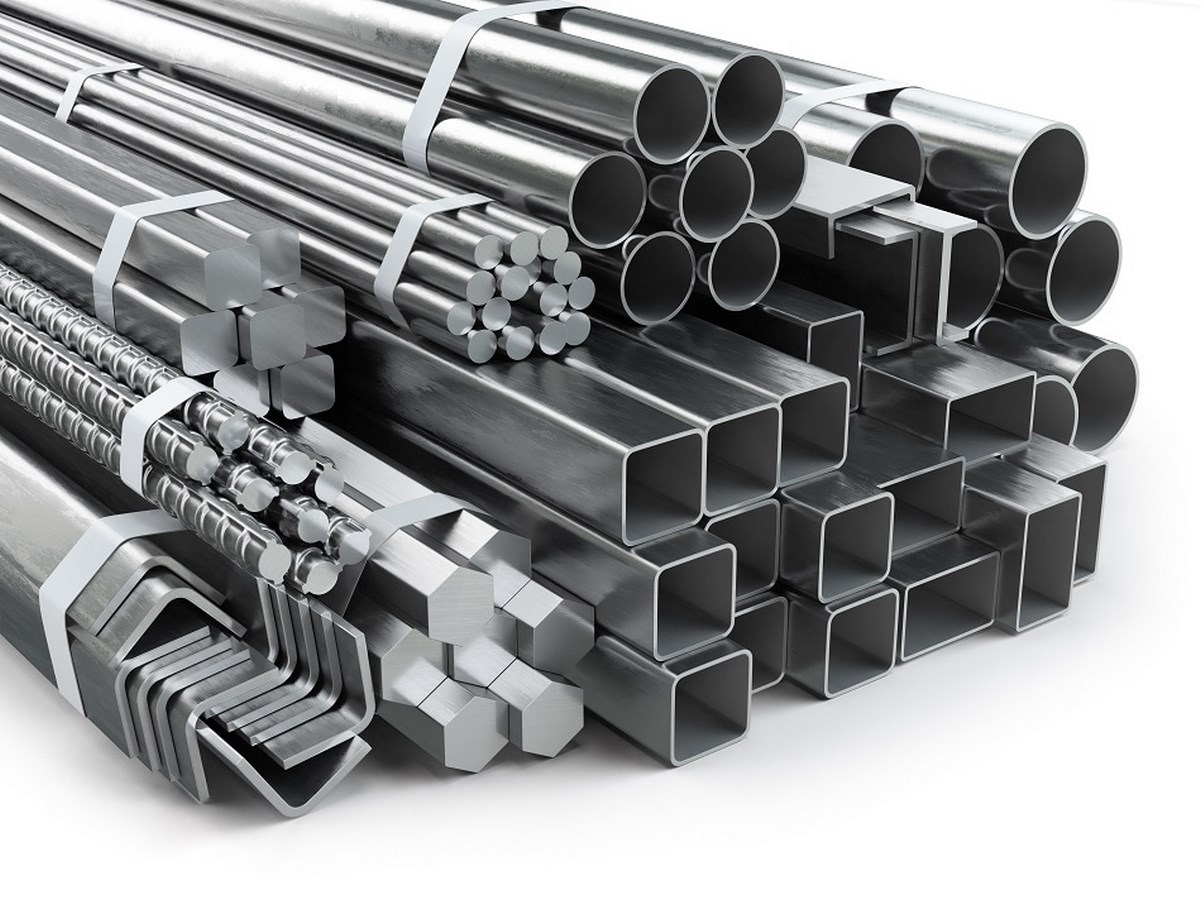
Steel bars are a core input for construction, infrastructure development, and industrial manufacturing across Africa and other emerging markets. As global demand for reinforced concrete structures, highways, bridges, and commercial buildings continues to rise, many importers are looking to export steel bars from China to secure competitive pricing and consistent supply.
China remains the world’s largest producer and exporter of steel products, including deformed steel bars (rebar), carbon steel bars, alloy steel bars, and mild steel round bars. For importers, contractors, and distributors, sourcing from China offers cost efficiency—but it also requires careful supplier verification, quality control, and logistics coordination.
Wigmore Trading can help businesses manage this process efficiently and reduce sourcing risks.
Why Source and Export Steel Bars from China?
Chinese steel mills operate at significant scale, which allows them to offer competitive prices across a wide range of steel bar specifications. Buyers can source:
-
Hot-rolled deformed steel bars (rebar)
-
Carbon steel round bars
-
Alloy steel bars
-
Mild steel rods for fabrication
-
Custom diameter and length specifications
In addition to cost advantages, China offers strong manufacturing capacity and flexibility. Large-volume orders for infrastructure projects can be fulfilled quickly, while smaller shipments for wholesale distribution can also be arranged.
However, price should not be the only factor when choosing a supplier. Quality compliance, mill certifications, and international standards such as ASTM, BS, or ISO must be verified to ensure the steel bars meet project requirements in destination markets.
Key Considerations When Exporting Steel Bars from China
1. Product Specifications and Standards
Steel bars vary in grade, tensile strength, yield strength, and chemical composition. Construction projects often require specific grades, such as HRB400 or HRB500 rebar. Before placing an order, importers must confirm:
-
Diameter and length tolerances
-
Mechanical properties
-
Surface finish and rib pattern
-
Applicable international standards
Clear technical specifications prevent disputes and ensure compliance with local building regulations.
2. Supplier Verification and Quality Control
China has thousands of steel manufacturers and trading companies. While many are reputable, due diligence is essential. Buyers should verify:
-
Business licenses and export credentials
-
Mill test certificates (MTC)
-
Production capacity
-
Previous export history
Independent inspection before shipment can reduce the risk of receiving substandard or incorrectly graded steel bars. Wigmore Trading works with trusted suppliers and can coordinate third-party inspections to safeguard quality.
3. Pricing and Cost Structure
When calculating the total cost to export steel bars from China, buyers should consider more than just the ex-factory price. Key cost components include:
-
FOB or CIF shipping terms
-
Freight rates and port charges
-
Import duties and taxes in the destination country
-
Insurance and handling costs
Because steel bars are heavy bulk commodities, freight costs can significantly impact overall margins. Proper container loading optimization and negotiation with shipping lines are critical to maintaining profitability.
Logistics and Shipping to African Markets
Many African countries rely heavily on imported steel products for infrastructure expansion. Major destinations include Nigeria, Ghana, Kenya, and other West and East African markets.
Shipping steel bars from China typically involves containerized freight or breakbulk shipping for larger volumes. Importers must ensure:
-
Accurate packing lists and weight declarations
-
Proper bundling and securing of steel bars
-
Complete export documentation (commercial invoice, bill of lading, certificate of origin)
Delays at ports due to incorrect paperwork can lead to demurrage costs and project disruptions. Wigmore Trading supports clients by coordinating documentation, freight booking, and customs compliance to ensure smooth delivery.
Managing Risk in Steel Bar Imports
Steel prices are influenced by global commodity markets, raw material costs, and policy changes. Importers should consider:
-
Locking in prices through negotiated contracts
-
Monitoring market trends
-
Diversifying supplier relationships
In addition, fluctuations in currency exchange rates can affect landed costs. Working with an experienced trading partner can help businesses structure contracts that minimize financial exposure.
How Wigmore Trading Supports Steel Bar Exports
Wigmore Trading specializes in sourcing and exporting industrial commodities, including steel products, to African and international markets. Our team works directly with vetted Chinese manufacturers to ensure consistent quality and competitive pricing.
We assist clients with:
-
Supplier identification and negotiation
-
Quality assurance and inspection coordination
-
Freight and logistics management
-
Export documentation and compliance
-
End-to-end supply chain support
Whether you are a construction company, government contractor, or wholesale distributor, Wigmore Trading can help streamline the process of importing and exporting steel bars from China.
If you are planning to expand your steel supply chain or secure reliable long-term sourcing, contact Wigmore Trading today to streamline your sourcing.




Comments are closed.