
Buy and Export Vegetables from China with Wigmore Trading

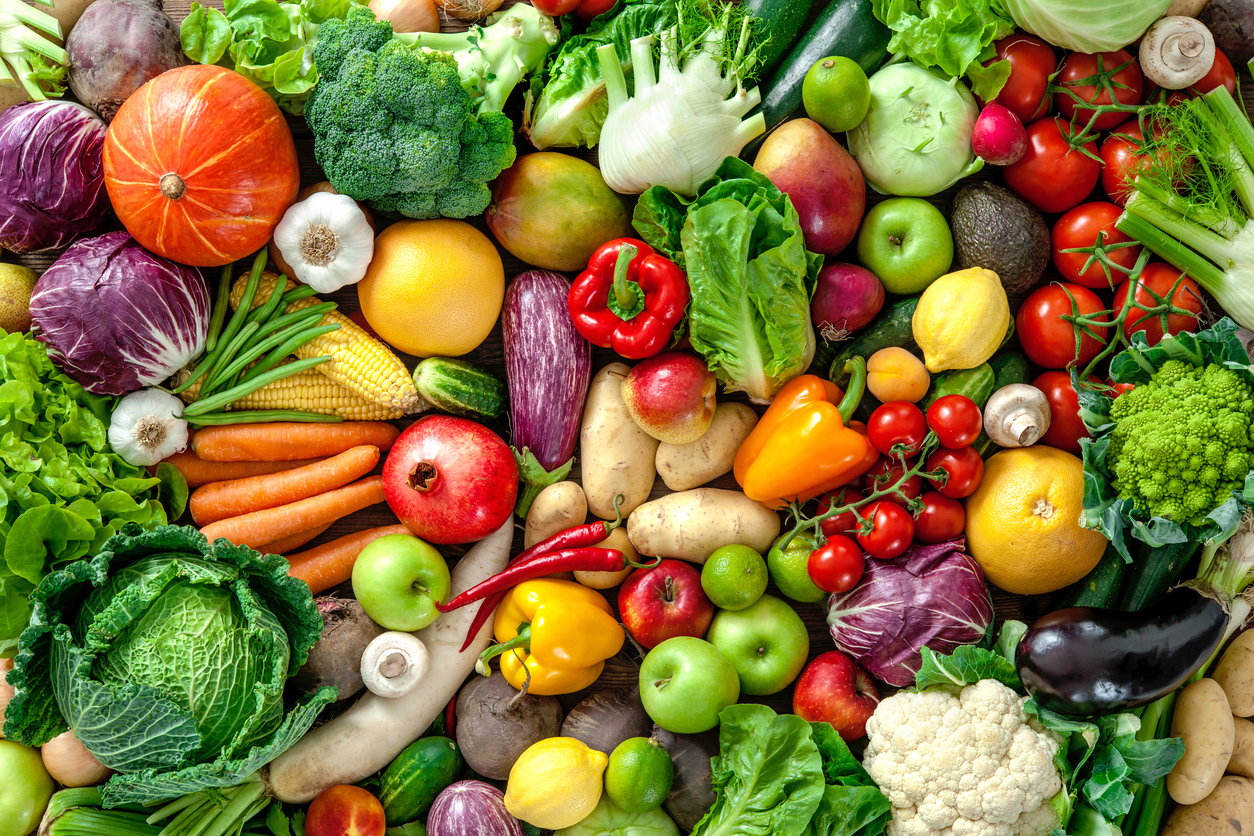
China is one of the world’s largest producers and exporters of vegetables, supplying global markets with a wide variety of fresh and processed produce. For businesses involved in food distribution, retail, or manufacturing, sourcing vegetables from China offers cost advantages, consistent supply, and access to diverse products.
However, navigating international sourcing, quality control, and export logistics can be complex. This guide explains how to buy and export vegetables from China efficiently, while highlighting how experienced partners like Wigmore Trading can support the process.
Why Source Vegetables from China?
China’s agricultural sector is highly developed, with large-scale production and advanced farming techniques. This allows exporters to meet global demand across multiple categories, including:
- Fresh vegetables (garlic, onions, ginger, carrots)
- Frozen vegetables (peas, mixed vegetables, sweet corn)
- Dehydrated and processed vegetables
- Organic and specialty produce
Key advantages include:
- Competitive pricing: Lower production costs compared to many regions
- High volume capacity: Reliable supply for bulk buyers
- Product diversity: Wide selection for different markets
- Established export infrastructure: Efficient ports and logistics systems
For importers in Africa and other emerging markets, China remains a strategic sourcing hub for vegetables.
Key Considerations When Buying Vegetables from China
1. Supplier Verification
Working with reliable suppliers is critical. Buyers should:
- Conduct background checks on manufacturers or farms
- Request certifications (ISO, HACCP, GlobalG.A.P.)
- Review export history and client references
Partnering with an experienced sourcing company like Wigmore Trading helps reduce risks by connecting buyers with vetted suppliers.
2. Quality Control and Standards
Vegetables must meet the quality and safety standards of the destination country. This includes:
- Pesticide residue compliance
- Proper grading and sorting
- Packaging standards for freshness and durability
Pre-shipment inspections and quality assurance processes are essential. Wigmore Trading supports clients with on-ground inspections to ensure products meet agreed specifications.
3. Packaging and Storage
Vegetables are highly perishable, so proper packaging and storage are crucial:
- Use of temperature-controlled packaging for fresh produce
- Vacuum sealing or freezing for extended shelf life
- Clear labeling for traceability
Exporters must also consider transit time and handling conditions to maintain product integrity.
4. Logistics and Shipping
Efficient logistics are key when exporting vegetables from China. Options include:
- Sea freight: Cost-effective for bulk shipments
- Air freight: Faster but more expensive, suitable for highly perishable goods
Cold chain logistics may be required to preserve freshness. Wigmore Trading helps coordinate shipping, ensuring optimal routes, cost efficiency, and compliance with import regulations.
5. Import Regulations and Compliance
Each country has specific import requirements for agricultural products. These may include:
- Phytosanitary certificates
- Import permits
- Food safety documentation
Failure to comply can result in delays or rejected shipments. Wigmore Trading assists clients in navigating regulatory requirements, ensuring smooth customs clearance.
Challenges in Exporting Vegetables from China
Despite the opportunities, businesses may face several challenges:
- Inconsistent supplier quality
- Language and communication barriers
- Complex documentation and compliance processes
- Logistics disruptions or delays
These challenges can impact profitability and supply chain reliability if not managed properly.
How Wigmore Trading Supports Your Sourcing Needs
Wigmore Trading provides end-to-end support for businesses looking to buy and export vegetables from China. Their services include:
- Supplier sourcing and verification: Connecting buyers with trusted producers
- Quality control and inspections: Ensuring products meet international standards
- Logistics coordination: Managing shipping, warehousing, and delivery
- Regulatory compliance: Assisting with documentation and customs processes
By leveraging industry expertise and established networks, Wigmore Trading helps businesses streamline sourcing while reducing operational risks.
Best Practices for Successful Vegetable Imports
To optimise your sourcing strategy:
- Build long-term relationships with reliable suppliers
- Plan shipments based on seasonal availability
- Use clear contracts outlining quality and delivery terms
- Work with experienced logistics and sourcing partners
A structured approach ensures consistent supply and minimizes disruptions.
Conclusion
Sourcing vegetables from China offers significant opportunities for businesses seeking cost-effective and reliable supply. However, success depends on careful supplier selection, strict quality control, and efficient logistics management.
By partnering with experienced companies like Wigmore Trading, businesses can navigate the complexities of international trade with greater confidence and efficiency.
Wigmore Trading can help. Contact Wigmore Trading today to streamline your sourcing.





Comments are closed.