
Buy and Export Woven Fabrics from China with Wigmore Trading: A Complete Guide for Businesses


China remains one of the world’s leading producers of woven fabrics, supplying global markets with a wide range of textile products at competitive prices. For businesses across Africa and beyond, the ability to buy and export woven fabrics from China with Wigmore Trading provides a structured, reliable way to access high-quality materials while reducing sourcing risks.
This guide explains how businesses can effectively source woven fabrics, navigate common challenges, and streamline their supply chains through professional support.
Understanding the Woven Fabric Market in China
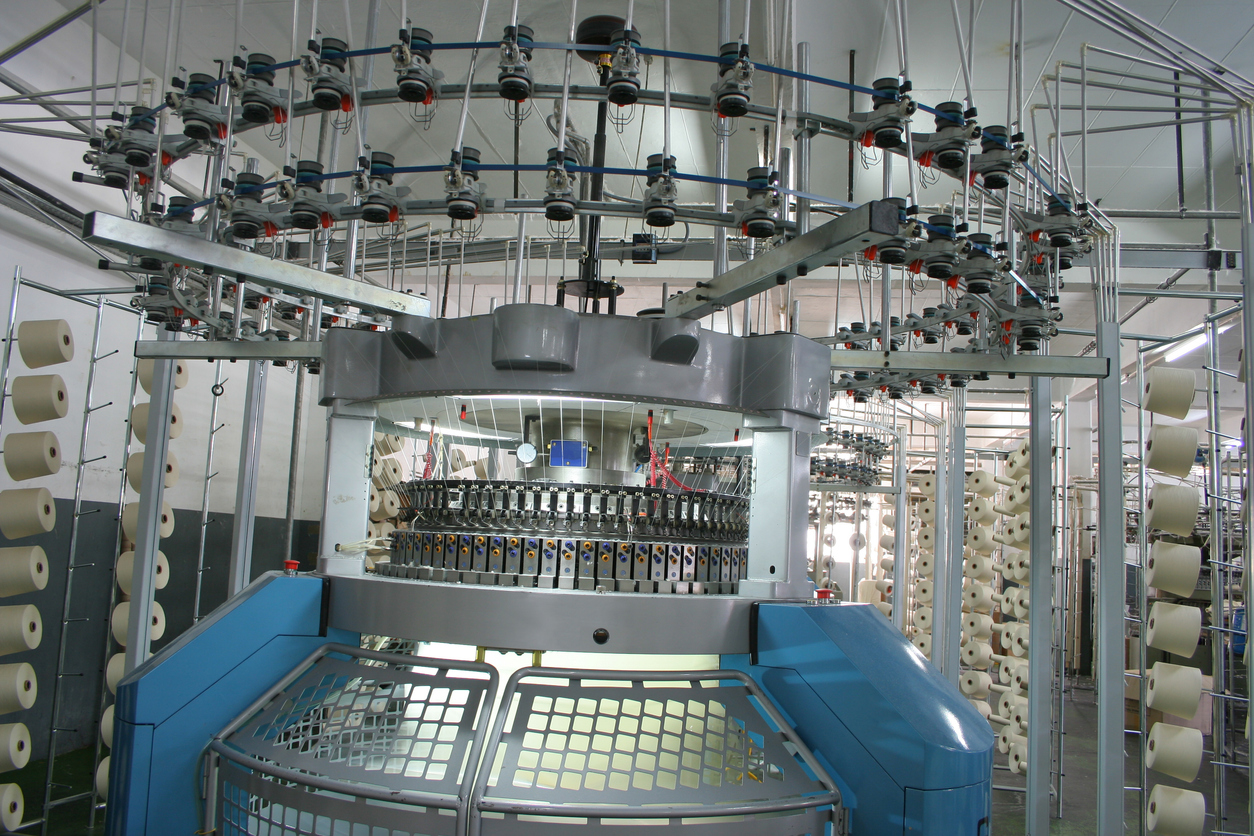
Woven fabrics are produced by interlacing yarns at right angles, resulting in durable materials used in apparel, upholstery, industrial textiles, and home furnishings. China’s textile industry offers:
- A vast variety of fabrics (cotton, polyester, denim, blends)
- Competitive pricing due to large-scale production
- Advanced manufacturing capabilities
- Access to both standard and customised fabric designs
However, the scale of the market also introduces complexity. Suppliers vary widely in quality, pricing transparency, and reliability, making due diligence essential.
Key Challenges When Importing Woven Fabrics
1. Supplier Verification
Not all suppliers meet international quality or compliance standards. Businesses often face risks such as inconsistent fabric quality or delayed shipments.
Solution: Working with an experienced sourcing partner ensures suppliers are vetted and production is monitored.
2. Quality Control
Textile quality can vary significantly between batches, especially when dealing with multiple manufacturers.
Solution: Pre-shipment inspections and production oversight help maintain consistency and reduce costly returns.
3. Logistics and Shipping
Transporting woven fabrics involves considerations such as packaging, moisture protection, and freight optimisation.
Solution: Efficient logistics planning ensures timely delivery while minimising damage and shipping costs.
4. Regulatory Compliance
Import regulations, tariffs, and documentation requirements differ across African markets.
Solution: Professional support helps ensure compliance with local import laws and avoids customs delays.
How Wigmore Trading Supports Fabric Sourcing and Export
For businesses looking to buy and export woven fabrics from China with Wigmore Trading, the process becomes more structured and reliable. Wigmore Trading provides end-to-end support across the supply chain:
Supplier Sourcing and Negotiation
Wigmore Trading identifies reputable manufacturers and negotiates competitive pricing based on your requirements. This reduces the risk of dealing with unreliable suppliers.
Quality Assurance
Through factory audits and inspections, Wigmore Trading ensures that fabrics meet agreed specifications before shipment.
Logistics and Freight Management
From consolidation to shipping, Wigmore Trading manages the logistics process, helping businesses optimise costs and delivery timelines.
Documentation and Compliance
Handling export documentation, customs clearance, and regulatory requirements ensures smooth cross-border trade.
Step-by-Step Process to Import Woven Fabrics
Step 1: Define Your Requirements
Identify fabric type, composition, weight, colour, and quantity. Clear specifications help avoid misunderstandings with suppliers.
Step 2: Source Verified Suppliers
Instead of relying solely on online marketplaces, partner with a sourcing expert to access trusted manufacturers.
Step 3: Request Samples
Evaluate fabric quality through samples before committing to bulk orders.
Step 4: Negotiate Terms
Agree on pricing, minimum order quantities, lead times, and payment terms.
Step 5: Conduct Quality Checks
Ensure inspections are carried out during and after production.
Step 6: Arrange Shipping
Choose the most suitable shipping method (sea freight is common for bulk textiles).
Step 7: Manage Import Compliance
Prepare all necessary documentation to meet destination country requirements.
Benefits of Importing Woven Fabrics from China
Businesses across Africa benefit from sourcing fabrics from China due to:
- Cost efficiency for bulk purchases
- Access to diverse fabric options
- Ability to scale production quickly
- Availability of customised textile solutions
When managed correctly, importing from China can significantly improve margins and product offerings.
Why a Structured Supply Chain Matters
Inconsistent sourcing practices can lead to delays, quality issues, and financial losses. A structured approach ensures:
- Reliable supplier relationships
- Consistent product quality
- Predictable delivery timelines
- Reduced operational risks
By working with experienced partners, businesses can focus on growth while maintaining supply chain stability.
Conclusion
Sourcing textiles internationally requires more than just finding a supplier—it involves managing quality, logistics, and compliance effectively. Businesses looking to buy and export woven fabrics from China with Wigmore Trading benefit from a streamlined process that reduces risk and improves efficiency.
With the right sourcing strategy and professional support, companies can access high-quality woven fabrics while maintaining control over costs and timelines.
Wigmore Trading can help. Contact Wigmore Trading today to streamline your sourcing.



Comments are closed.