
Buy and Export Zippers from China with Wigmore Trading

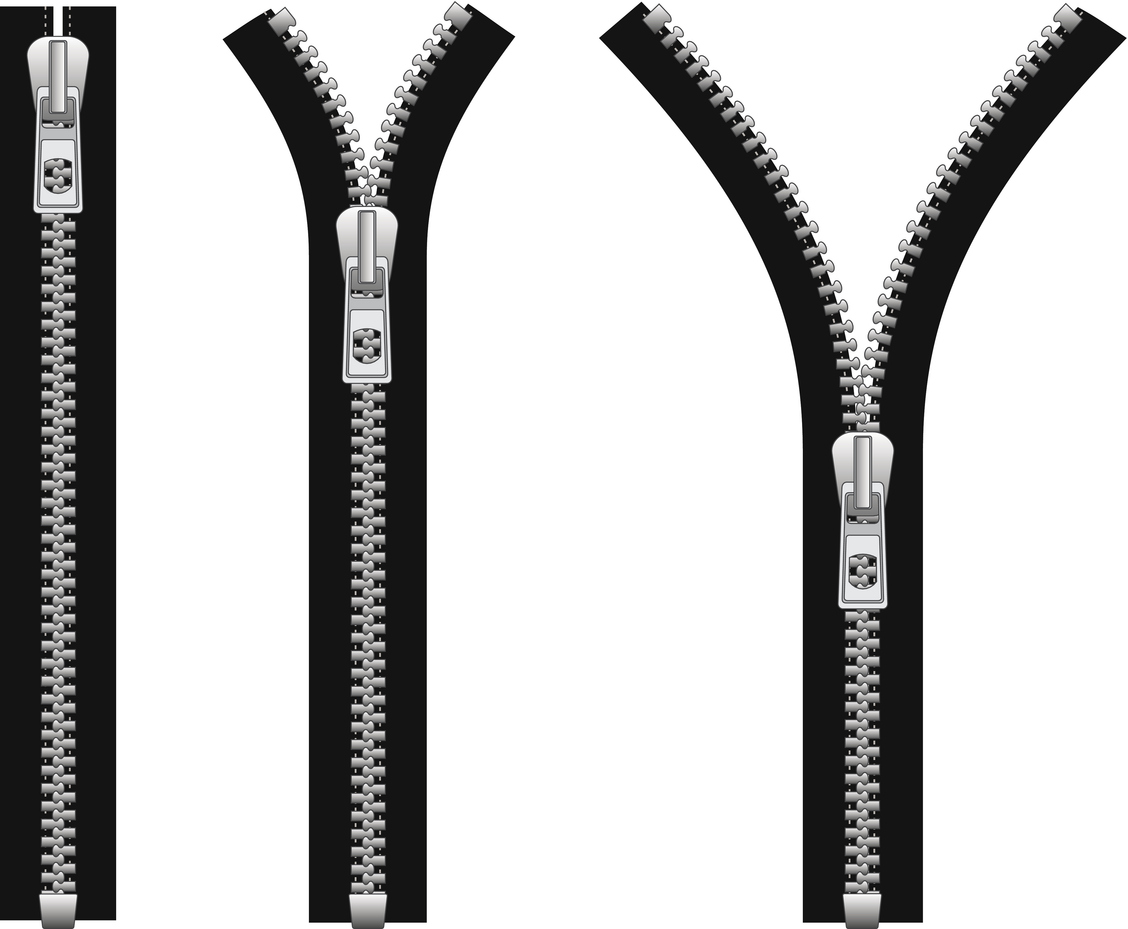
China is the world’s leading producer of zippers, supplying garment manufacturers, luggage producers, footwear brands, and upholstery companies across global markets. For businesses looking to export zippers from China, the country offers scale, competitive pricing, product variety, and advanced manufacturing capabilities.
However, sourcing and exporting zippers successfully requires more than simply placing an order. Quality control, supplier verification, compliance standards, and international logistics all play a critical role. This guide explains how businesses can efficiently buy and export zippers from China while managing risks and ensuring consistent supply.
Why Export Zippers from China?
China dominates the global zipper manufacturing industry due to its well-established textile ecosystem and vertically integrated production networks. Major production hubs such as Zhejiang, Guangdong, and Fujian specialise in metal zippers, nylon coil zippers, plastic moulded zippers, invisible zippers, and custom-branded fastening solutions.
Key advantages when you export zippers from China include:
-
Competitive factory pricing due to economies of scale
-
Broad product range across multiple materials and specifications
-
Customisation options for size, colour, branding, and packaging
-
High-volume production capacity for wholesale buyers
For importers serving the apparel, FMCG packaging, promotional merchandise, or industrial textile sectors, Chinese suppliers offer flexibility in both small batch and bulk orders.
Understanding Zipper Types Before You Export Zippers from China
Selecting the correct zipper type is essential for product durability and customer satisfaction. Common categories include:
Metal Zippers
Typically made from brass, aluminium, or nickel. Used in jeans, jackets, leather goods, and heavy-duty garments.
Nylon Coil Zippers
Lightweight and flexible, commonly used in sportswear, bags, and outdoor apparel.
Plastic Moulded Zippers
Strong and corrosion-resistant, ideal for outerwear and children’s clothing.
Invisible Zippers
Frequently used in dresses and fashion garments where aesthetics are critical.
When planning to export zippers from China, product specifications such as gauge size, tape material, slider type, and finishing must be clearly defined in purchase agreements to avoid inconsistencies.
Key Challenges When You Export Zippers from China
While China offers significant advantages, international buyers often face operational and quality challenges.
Quality Inconsistencies
Not all manufacturers operate at the same quality standards. Variations in slider performance, colour matching, and plating durability can lead to costly returns or brand damage.
Minimum Order Quantities (MOQs)
Factories often require large production runs, which may not suit smaller wholesalers or emerging brands.
Compliance and Testing Requirements
Certain markets require compliance with chemical safety standards such as REACH, CPSIA, or OEKO-TEX certification. Failure to meet these standards can delay shipments or result in customs rejections.
Shipping and Logistics Complexity
Exporting from China involves documentation such as commercial invoices, packing lists, HS codes, certificates of origin, and potentially inspection certificates. Delays at port or incorrect paperwork can disrupt supply chains.
Working with an experienced sourcing and logistics partner helps reduce these risks.
How to Successfully Export Zippers from China
A structured procurement process improves reliability and cost efficiency.
1. Supplier Verification and Factory Audits
Before committing to production, it is essential to verify manufacturing capacity, production processes, and quality control systems. Independent audits reduce exposure to unreliable suppliers.
2. Product Sampling and Testing
Pre-production samples should be tested for strength, corrosion resistance, smoothness of operation, and colour consistency. For regulated markets, third-party laboratory testing may be required.
3. Clear Technical Specifications
Precise documentation covering zipper size (#3, #5, #8, etc.), material composition, tape colour codes, slider style, and packaging requirements prevents misunderstandings.
4. Quality Control Inspections
Pre-shipment inspections ensure the final batch matches approved samples. This step is particularly important when exporting zippers for large apparel production runs.
5. Freight and Customs Coordination
Efficient export requires proper HS classification, freight booking, cargo consolidation (if necessary), and customs clearance management.
Export Zippers from China to Africa and Emerging Markets
Demand for affordable garment accessories is growing across Africa, the Middle East, and other emerging markets. Local clothing manufacturers, tailoring businesses, and wholesalers rely on consistent zipper supply for school uniforms, workwear, fashion garments, and luggage production.
Importers serving these markets must consider:
-
Price sensitivity and bulk purchasing strategies
-
Reliable lead times to avoid production stoppages
-
Distribution networks within local markets
-
Currency and payment risk management
A structured supply chain reduces stockouts and improves competitiveness in price-driven markets.
How Wigmore Trading Supports Businesses That Export Zippers from China
Exporting zippers from China involves coordination across sourcing, quality control, compliance, and international freight. Wigmore Trading supports businesses by providing:
-
Supplier identification and verification
-
Negotiation of competitive wholesale pricing
-
Quality inspections and compliance management
-
Freight forwarding and customs clearance coordination
-
Consolidation services for mixed product shipments
For companies operating in import/export, wholesale distribution, or garment manufacturing, having a reliable sourcing partner reduces operational risk and ensures consistent product quality.
Rather than managing multiple intermediaries, businesses can streamline procurement through an integrated sourcing and logistics approach.
Conclusion: Building a Reliable Zipper Supply Chain
To successfully export zippers from China, businesses must prioritise supplier reliability, quality control, regulatory compliance, and efficient logistics. While China remains the global leader in zipper production, achieving consistent results requires careful planning and professional oversight.
With structured sourcing and supply chain management, importers can secure cost-effective, high-quality zipper supplies that support garment production, wholesale distribution, and manufacturing growth.
Wigmore Trading can help. Contact Wigmore Trading today to streamline your sourcing.



Comments are closed.