
Buy & Export High-Quality Fake Hair from China Safely

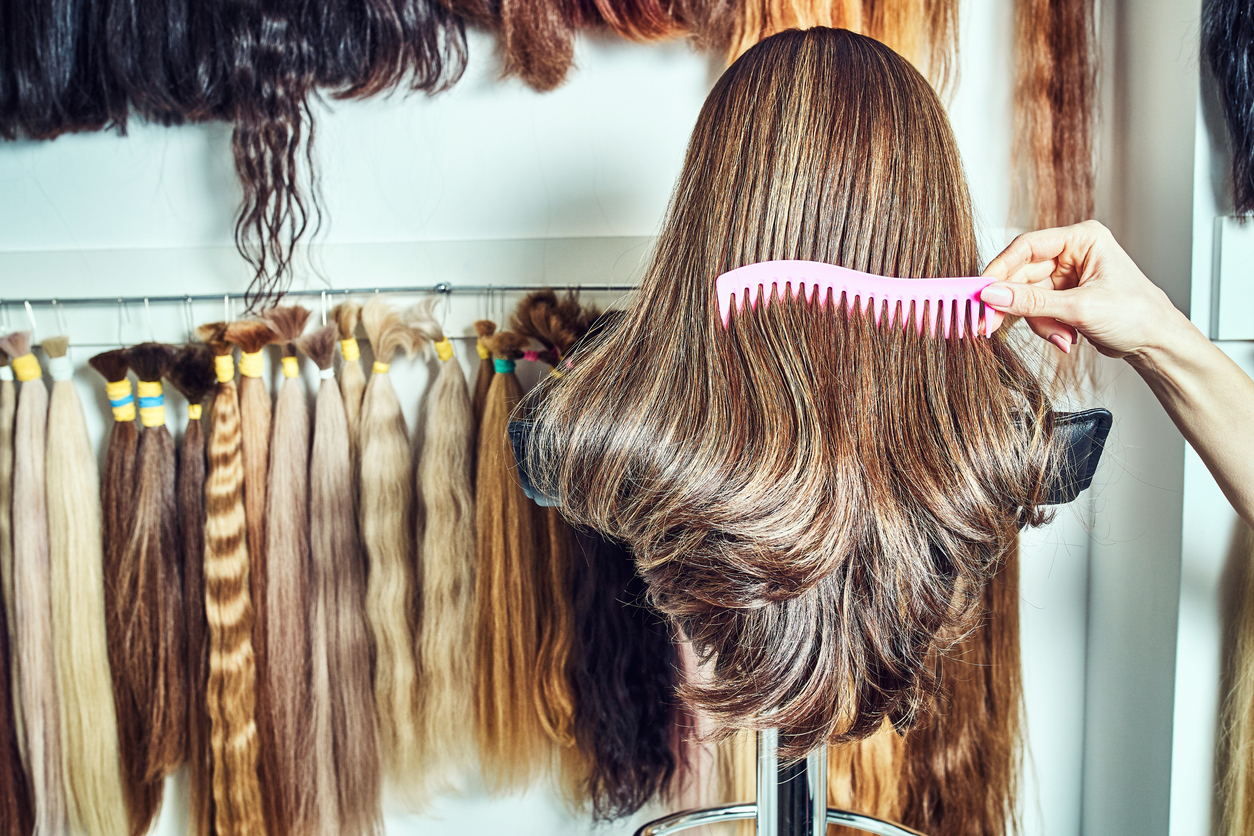
The global demand for affordable wigs, braids and hair extensions keeps rising, especially across Africa, the Middle East and the diaspora. For many beauty retailers and wholesalers, the best margins come when they buy and export fake hair from China at scale—then resell in their local markets.
But turning “cheap” Chinese hair into a reliable, profitable supply line is not as simple as browsing an online marketplace. Quality can be inconsistent, suppliers may disappear, and shipping mistakes can wipe out profit. That’s where a specialist partner like Wigmore Trading can help you turn opportunity into a structured, repeatable business.
Why source fake hair from China?
China remains one of the world’s largest production hubs for synthetic hair products. For importers, this offers several advantages:
-
Wide product range – braiding hair, weaves, closures, full wigs, frontal wigs, ponytails, coloured and ombré styles.
-
Competitive pricing – factories can produce large volumes at low unit cost, ideal for wholesale and distribution.
-
Private label options – many manufacturers will brand packaging with your logo, helping you build your own hair brand.
-
Scalability – once the supply chain is set up, you can quickly increase order volumes as your market grows.
With the right sourcing support, you can combine China’s manufacturing power with Wigmore Trading’s import–export expertise to build a strong position in your local beauty market.
Common challenges when buying fake hair from China
Before you export fake hair from China, it’s important to understand the risks that catch many new importers out.
1. Finding reliable suppliers
Online directories and trading platforms are full of middlemen and short-term sellers. Some offer inconsistent quality or disappear after one shipment. Without checks, you can easily pay for hair that does not match samples.
2. Quality and specification issues
Synthetic hair quality varies widely: fibre type, shine level, tangle resistance, heat resistance and weight per pack all affect customer satisfaction. If you don’t define specifications clearly, you may receive lighter bundles, fewer strands or colours that don’t match your market.
3. Minimum order quantities (MOQs)
Factories often require MOQs that are too high for new businesses. Ordering more than your market can absorb ties up cash and warehouse space.
4. Shipping and customs problems
Incorrect HS codes, poor packaging or incomplete documents can lead to delays, extra charges or even seizure of goods. This is especially critical if you’re importing into markets like Nigeria, other African countries, the UK or EU, where customs rules are tightly enforced.
5. Payment and fraud risk
Paying suppliers directly in advance, without any trusted intermediary, can expose you to scams or unresolved disputes.
Wigmore Trading is set up to reduce these risks by managing suppliers, documentation and logistics on your behalf.
Step-by-step: How to buy and export fake hair from China with Wigmore Trading
1. Define your market and product needs
Start with a clear plan:
-
Target customers: salons, beauty supply stores, online vendors, wholesalers.
-
Product mix: braids, bone straight styles, curly wigs, closures, frontal wigs, coloured lines, kids’ braids.
-
Price points: budget, mid-range or premium synthetic fibres.
Wigmore Trading can help you translate market demand into a product list and specification sheet that factories in China can follow.
Tip: Think in terms of collections (e.g. “Everyday Braids”, “Premium Bone Straight”) rather than random styles. This makes marketing and reordering easier.
2. Source and vet Chinese manufacturers
Instead of guessing which factory to trust, use a partner who already understands the market.
Wigmore Trading can:
-
Shortlist established synthetic hair manufacturers in China.
-
Check product catalogues, certifications and export experience.
-
Ensure suppliers are familiar with African and diaspora markets, where hair must be durable and heat-resistant.
This saves you time and reduces the trial-and-error cost of switching factories after every shipment.
3. Order samples and confirm quality
Never place a large order based only on photos. The usual process is:
-
Request samples of key products and colours.
-
Test them for shedding, tangling, heat styling and durability.
-
Confirm packaging, branding and labelling (including any barcodes and care instructions).
Wigmore Trading can coordinate sample orders, consolidate them and arrange shipment to you, so you can make a decision based on real products—not catalogue pictures.
4. Negotiate prices, MOQs and payment terms
Once you’re happy with the product:
-
Unit price and bulk discounts are agreed.
-
MOQs per style/colour are set.
-
Incoterms are chosen (e.g. FOB China port or CIF destination).
Because Wigmore Trading works regularly with factories and shipping lines, we can help you secure competitive pricing and realistic MOQs that match your budget and sales forecast. Wigmore Trading can also structure payments so you’re not exposed to unnecessary risk when paying suppliers abroad.
5. Arrange shipping, customs and delivery
This is where many first-time importers struggle. To export fake hair from China successfully, you need:
-
Correct HS classification for synthetic hair products.
-
Commercial invoice, packing list and shipping documents.
-
Compliance with import rules in your destination country.
-
A reliable freight forwarder and customs agent.
Wigmore Trading can handle end-to-end logistics:
-
Booking sea or air freight from China.
-
Coordinating with Chinese suppliers to meet sailing schedules.
-
Managing customs clearance and local delivery in Nigeria or other agreed destinations.
You receive your containers or cartons ready for distribution—with fewer delays and surprises.
Logistics choices: air vs sea for fake hair
Your logistics strategy will affect profit as much as your purchasing price.
-
Sea freight is usually best for large, planned shipments. It offers the lowest cost per unit but requires longer lead times and good stock planning.
-
Air freight is more expensive but useful for urgent top-ups, fast-moving SKUs or new product launches where speed matters more than margin.
Wigmore Trading can help you mix both methods—using sea for core lines and air for urgent restocks—so you don’t run out of your best-selling styles.
Who benefits from exporting fake hair from China?
This opportunity is ideal for:
-
Beauty wholesalers and distributors supplying supermarkets, cosmetics chains and independent stores.
-
Hair and beauty retailers who want better margins than buying through multiple middlemen.
-
Online hair vendors and social media sellers looking to build their own private-label brand.
-
Salon owners who want reliable access to trending colours and styles for their clients.
If you already import other FMCG or beauty products, adding synthetic hair from China can strengthen your product portfolio.
Wigmore Trading can help you pilot a first shipment, then scale up as your sales grow.
Turn Chinese fake hair into a reliable business with Wigmore Trading
Buying fake hair from China doesn’t have to be risky, confusing or time-consuming. With the right partner, you can:
-
Access tested, reliable factories.
-
Protect your investment with better quality control and documentation.
-
Reduce logistics headaches from factory gate to your warehouse.
-
Focus on selling to salons, retailers and end-customers.
Wigmore Trading can help.
If you’re ready to buy and export fake hair from China—or you want to explore whether it’s right for your market—contact Wigmore Trading today to streamline your sourcing and logistics.




Comments are closed.