
How to Buy Food in Bulk in Nigeria: A Practical Guide for Businesses

In Nigeria’s fast-moving consumer goods (FMCG) sector, bulk purchasing is a strategic approach to reducing costs, ensuring consistent supply, and improving profit margins. Whether you operate a retail store, restaurant, or distribution business, understanding how to buy food in bulk in Nigeria efficiently can give you a competitive advantage.
This guide explores the key considerations, challenges, and best practices for bulk food sourcing, along with how reliable partners like Wigmore Trading can support your operations.
Why Businesses Buy Food in Bulk in Nigeria
Bulk purchasing is common across Nigeria’s food supply chain due to several practical benefits:
- Cost Efficiency: Buying in large quantities often reduces per-unit cost.
- Supply Stability: Ensures consistent availability of essential products.
- Improved Margins: Lower procurement costs translate to higher profitability.
- Operational Efficiency: Reduces the frequency of restocking and logistics coordination.
For wholesalers, retailers, and hospitality businesses, these advantages make bulk procurement a critical part of business strategy.
Key Products Commonly Purchased in Bulk
Businesses that buy food in bulk in Nigeria typically focus on staple and fast-moving goods such as:
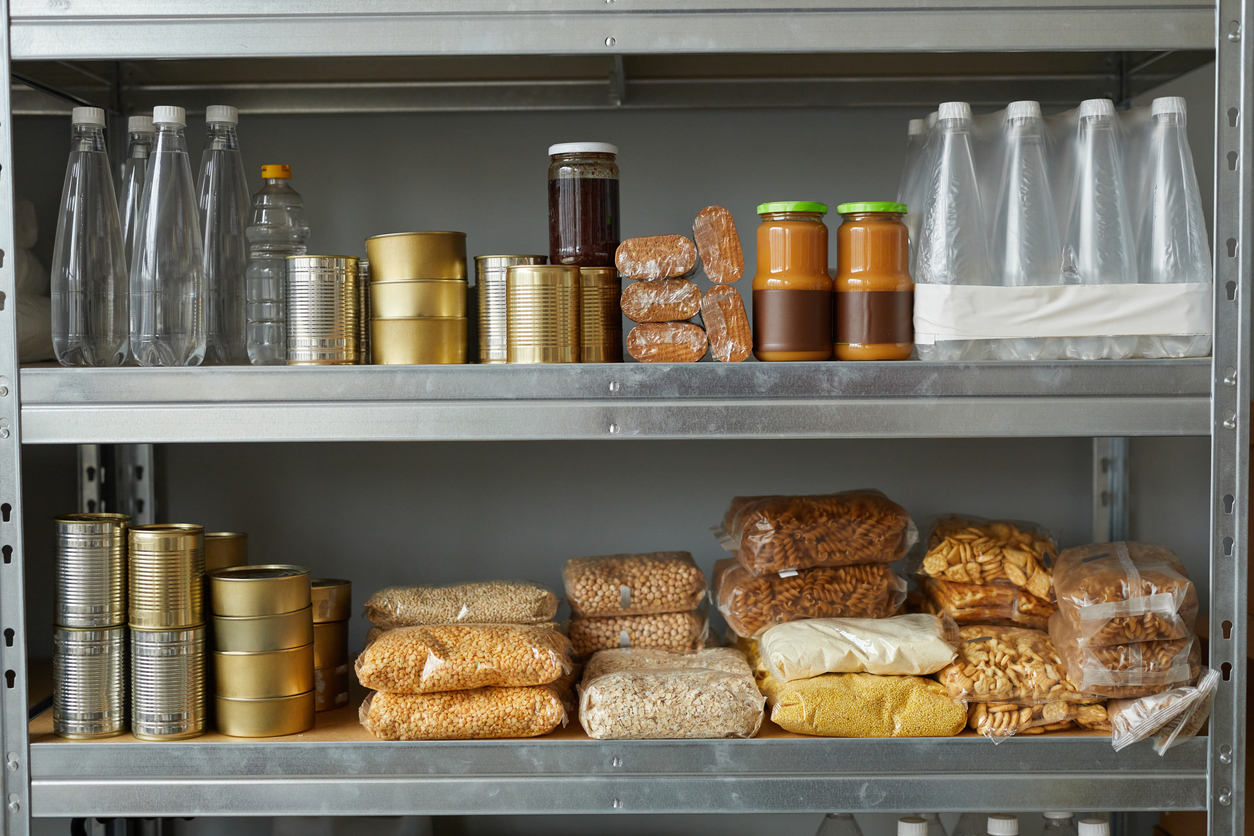
- Rice, beans, and grains
- Cooking oil and flour
- Sugar and salt
- Packaged and processed foods
- Beverages and dairy products
These products are essential across households and businesses, making them ideal for bulk sourcing and distribution.
Challenges When You Buy Food in Bulk in Nigeria
Despite the benefits, bulk purchasing comes with operational challenges that businesses must manage carefully.
1. Price Volatility
Food prices in Nigeria can fluctuate due to exchange rates, inflation, and seasonal supply changes. Without proper planning, businesses may face unexpected cost increases.
2. Storage and Inventory Management
Bulk buying requires adequate storage facilities to prevent spoilage, contamination, or losses due to poor handling.
3. Supplier Reliability
Inconsistent suppliers can lead to delays, quality issues, or incomplete deliveries, disrupting your operations.
4. Logistics and Distribution
Transporting large volumes of food products across regions can be complex, especially with infrastructure limitations.
Best Practices for Bulk Food Purchasing
To successfully buy food in bulk in Nigeria, businesses should adopt structured procurement strategies.
Work with Trusted Suppliers
Reliable suppliers ensure product quality, timely delivery, and transparent pricing. Establishing long-term relationships reduces risk and improves negotiation power.
Plan Procurement Cycles
Monitor market trends and purchase during periods of stable or lower prices. Strategic timing can significantly reduce costs.
Invest in Proper Storage
Ensure your warehouse or storage facility meets food safety standards, including temperature control, ventilation, and pest management.
Diversify Your Supply Sources
Avoid dependence on a single supplier. Having multiple sourcing options helps maintain continuity during disruptions.
Leverage Logistics Expertise
Efficient transportation and distribution systems are essential for handling bulk goods. Partnering with logistics experts can streamline operations.
The Role of Wigmore Trading in Bulk Food Sourcing
For businesses looking to buy food in bulk in Nigeria, working with an experienced supply chain partner can simplify the process.
Wigmore Trading supports businesses by providing:
- Reliable Sourcing: Access to high-quality food products from trusted local and international suppliers
- Efficient Distribution: Coordinated logistics to ensure timely delivery across Nigeria
- Supply Chain Management: End-to-end support, from procurement to final delivery
- Compliance Assurance: Guidance on regulatory requirements and import/export processes
By addressing common challenges such as supplier inconsistency and logistics inefficiencies, Wigmore Trading helps businesses maintain a stable and cost-effective supply chain.
How Bulk Buying Supports Business Growth
Bulk purchasing is not just about cost savings—it also enables scalability. Businesses that streamline procurement can:
- Expand product offerings
- Enter new markets
- Improve customer satisfaction through consistent supply
- Strengthen their competitive position
In Nigeria’s growing food market, efficient sourcing and distribution are key drivers of long-term success.
Conclusion
Choosing to buy food in bulk in Nigeria is a practical strategy for businesses aiming to reduce costs and improve operational efficiency. However, success depends on careful planning, reliable suppliers, and strong logistics systems.
By adopting best practices and working with experienced partners, businesses can overcome common challenges and build a resilient supply chain.
Wigmore Trading can help. Contact Wigmore Trading today to streamline your sourcing.



Comments are closed.