
Buy Groundnuts (Peanuts) Seeds in Chad with Wigmore Trading: A Practical Guide for Farmers, Agro-Dealers & Bulk Buyers

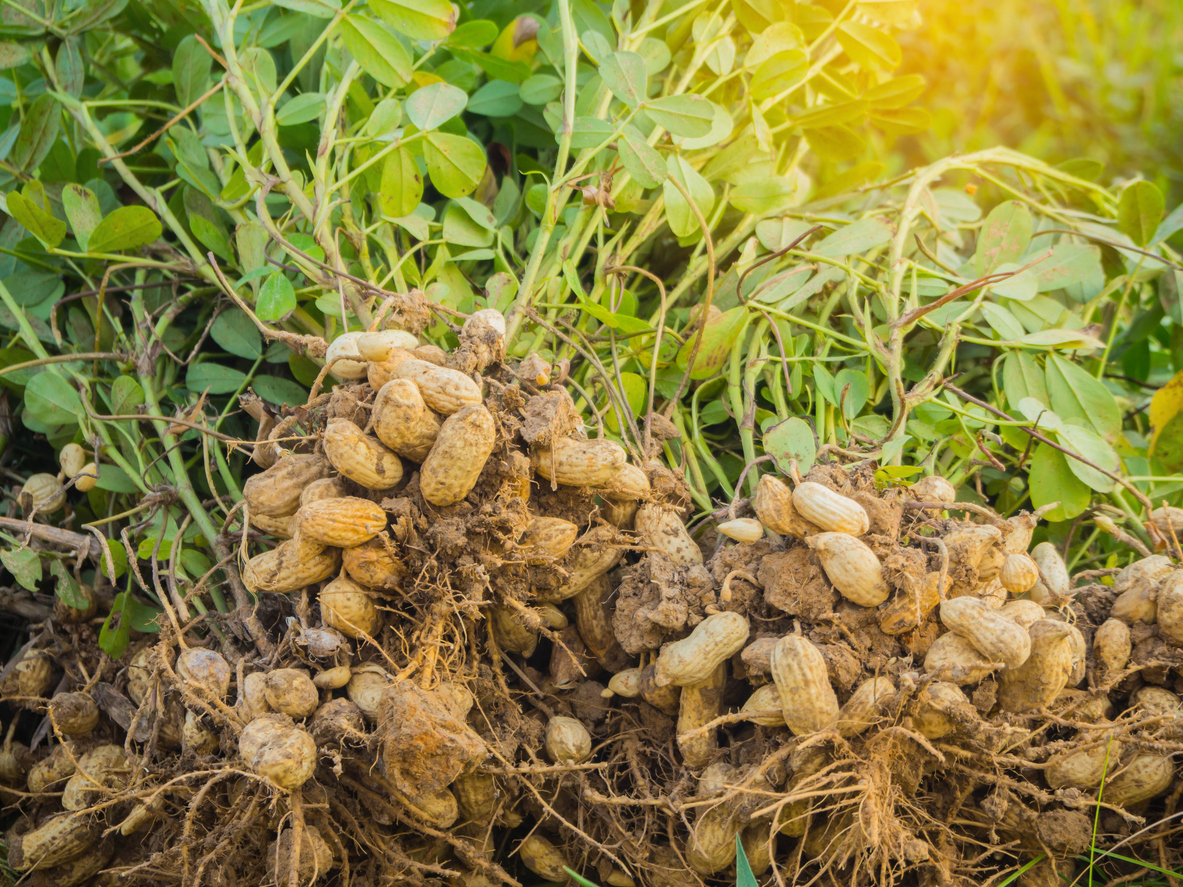
Groundnuts (peanuts) are one of Chad’s most valuable cash and food crops—widely grown in the southern and central belts and traded across local and regional markets. But success starts with the right groundnut seed: improved, clean, high-germination varieties suited to Chad’s rainfall patterns and soil conditions.
If you’re looking to buy groundnuts (peanuts) seeds in Chad, this guide explains what to look for, which varieties to consider, how to source reliably, and how Wigmore Trading can support you with quality supply and logistics—without the stress of unreliable inputs.
Why Quality Groundnut Seed Matters in Chad
Many farmers and buyers in Chad still rely on recycled grain from markets as “seed.” While it may seem cheaper, it often leads to:
-
Poor germination and uneven plant stands
-
Higher disease risk
-
Lower yields and smaller pod sizes
-
Weak resistance to drought stress
-
Poor market quality (reducing buyer confidence)
Groundnut farming in Chad is mostly rainfed, meaning seed quality becomes even more important when rainfall is irregular. Chad’s rainy season normally begins around May, but delays and dry spells can affect planting and early crop establishment.
Good seed = better germination + stronger plants + more pods + higher income.
Key Groundnut-Producing Areas in Chad (Where Demand is Strong)
Groundnut production is concentrated across multiple regions—making seed demand high before planting seasons. Key producing zones include:
-
Sila
-
Ouaddaï
-
Logone Oriental
-
Chari-Baguirmi
-
Mayo-Kebbi Est & Ouest
-
Logone Occidental
-
Moyen-Chari
-
Guéra
For suppliers and agro-dealers, this means strong seasonal demand for certified and improved seed types.
What to Look for When Buying Groundnut Seeds in Chad
When purchasing groundnut seed for farming or resale, focus on these critical quality indicators:
1) High Germination Rate
Seeds should germinate strongly in warm soil conditions. Groundnuts generally perform best when soil temperatures are consistently above 18°C, with optimal germination around 20–30°C.
2) Clean, Uniform Seed
Avoid seed lots with:
-
broken kernels
-
visible mould
-
insect holes
-
mixed varieties
Uniformity improves crop maturity timing and makes harvesting easier.
3) Disease Resistance & Adaptability
Choose varieties known to perform well under:
-
short rainfall seasons
-
sandy or sandy-loam soils
-
common regional disease pressure
Best Groundnut Seed Types for Commercial Farming
Most commercially grown groundnuts fall into three broad market types, each with advantages depending on your goal (oil production, fresh consumption, export, or confectionery).
Spanish Types (Early Maturing)
-
Smaller pods, early harvest
-
Useful in shorter rainfall cycles
-
Often preferred for oil and roasting
Valencia Types (Medium Maturing)
-
Typically 3+ seeds per pod
-
Often used for confectionery and fresh groundnut markets
Virginia Types (Late Maturing)
-
Larger seeds
-
Popular for premium market channels
-
Often preferred for higher-value processing
Wigmore Trading can help you select the right seed type based on your region and intended market.
Common Challenges When Sourcing Groundnut Seeds in Chad (and Practical Solutions)
Unreliable Seed Quality
Many sellers offer grain as seed without testing or proper storage.
Use verified suppliers and request seed grading, cleaning, and storage assurance. Wigmore Trading supports structured sourcing and quality checks to reduce risk.
Poor Infrastructure & Post-Harvest Losses
In many parts of Chad, storage and transport challenges can increase losses and raise costs—especially for seed and high-quality groundnuts.
Solution: Work with a supplier that can coordinate transport, storage planning, and bulk delivery to your region.
Timing Issues Before Planting Season
If seed arrives late, farmers miss optimal planting windows—leading to yield drops.
Solution: Plan procurement early and use a logistics partner that can deliver across Chad efficiently. Wigmore Trading can help with early sourcing and scheduled deliveries.
How Wigmore Trading Helps You Buy Groundnut Seeds in Chad
Wigmore Trading supports buyers across Africa with reliable agricultural inputs and commodity sourcing. If you’re buying groundnut seeds in Chad, Wigmore Trading can assist with:
-
Bulk supply for farmers, cooperatives, NGOs, and agro-dealers
-
Seed sourcing support (improved and market-preferred types)
-
Cross-border trade coordination
-
Logistics planning and delivery support
-
Packaging options suitable for wholesale distribution
The goal is simple: reduce risk and help you secure seed that performs—without overcomplicating the process.
Contact Wigmore Trading today to streamline your groundnut seed sourcing in Chad.
Tips for Buyers and Agro-Dealers: How to Sell Groundnut Seeds Faster
If you’re reselling groundnut seeds, consider offering:
-
Small packs for smallholders (1–5kg)
-
Medium packs for growing farms (10–25kg)
-
Bulk bags for cooperatives (50kg+)
Also consider educational support (planting depth, spacing, and storage tips). Buyers trust dealers who provide advice.
Final Thoughts
The demand for groundnut seeds in Chad continues to grow, driven by food security needs, oil processing demand, and stronger regional trade. But seed quality remains one of the biggest barriers to higher yields and consistent supply.
If you want dependable supply, better planting results, and smoother distribution, Wigmore Trading can help you source and deliver groundnut seeds with fewer risks.
Get in touch with our team to learn more.






Comments are closed.