
BVI Company Formation for Nigerian Clients: A Practical Guide for International Business Expansion

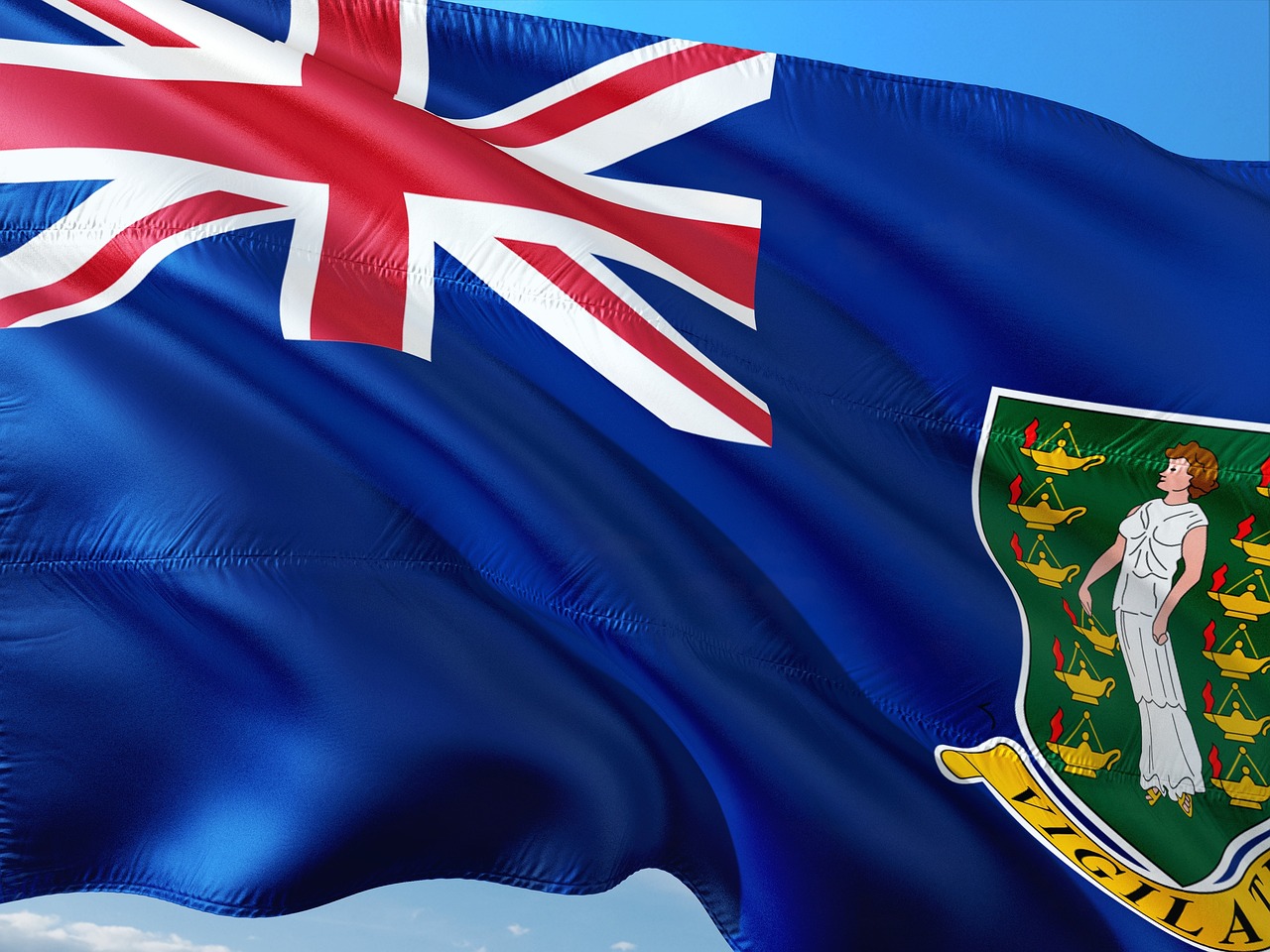
As Nigerian entrepreneurs and corporate groups expand into global markets, structuring operations efficiently becomes increasingly important. One option that continues to attract interest is BVI company formation for Nigerian clients seeking international flexibility, asset protection, and cross-border trade advantages.
The British Virgin Islands (BVI) is one of the world’s most established offshore jurisdictions. Its regulatory stability, business-friendly corporate framework, and international recognition make it particularly suitable for companies involved in import/export, holding structures, investment vehicles, and international trade.
This guide explains how BVI company formation works, why it appeals to Nigerian businesses, and the practical considerations to keep in mind.
Why BVI Company Formation for Nigerian Clients Is Popular
BVI companies are widely used for international structuring due to their simplicity and global acceptance. For Nigerian business owners engaged in cross-border trade, logistics, procurement, or holding foreign assets, a BVI entity can offer structural flexibility.
Key advantages include:
-
Tax neutrality in the BVI (no local corporate income tax on offshore activities)
-
No minimum capital requirement
-
Flexible corporate structure
-
Strong confidentiality protections
-
Globally recognised legal framework based on English common law
For Nigerian clients trading internationally, particularly with Europe, Asia, or the Americas, a BVI company can serve as a holding company, special purpose vehicle (SPV), or international trading entity.
However, it is essential to understand that tax obligations in Nigeria or other countries may still apply depending on residency, control, and operations. Proper tax and legal advice is critical before proceeding.
How BVI Company Formation for Nigerian Clients Works
The process of incorporating a BVI Business Company (BC) is relatively straightforward but must be handled through a licensed registered agent in the BVI.
The typical steps include:
-
Name reservation and approval
-
Submission of incorporation documents
-
Appointment of directors and shareholders
-
Issuance of share certificates
-
Preparation of corporate documents
While BVI companies do not require directors or shareholders to be physically present in the jurisdiction, compliance documentation is mandatory. Nigerian clients must provide:
-
Certified identification documents
-
Proof of address
-
Source of funds declaration
-
Business activity description
Since international compliance standards have tightened significantly, particularly under global anti-money laundering (AML) frameworks, transparency is essential.
Working with experienced advisors ensures the process runs smoothly and aligns with Nigerian regulatory considerations.
Key Uses of BVI Companies in International Trade
For Nigerian entrepreneurs involved in import/export and distribution, BVI company formation can support several legitimate commercial structures.
Holding International Assets
A BVI entity can hold shares in foreign subsidiaries, intellectual property, or investment assets. This is common in structured international groups seeking simplified ownership frameworks.
Facilitating Cross-Border Trade
In some cases, businesses use BVI companies as international trading intermediaries. For example, goods sourced from Asia and distributed to African or European markets may be invoiced through a BVI entity depending on the commercial structure.
Joint Ventures and Investment Vehicles
BVI companies are frequently used in joint ventures between Nigerian businesses and foreign partners. The neutral jurisdiction provides clarity under internationally recognised corporate law.
For companies operating in logistics, FMCG distribution, commodities trading, or wholesale export, such structures can help separate risk and streamline operations.
Compliance and Regulatory Considerations for Nigerian Clients
While BVI company formation for Nigerian clients can provide flexibility, compliance is critical.
Important considerations include:
-
Nigerian tax residency rules
-
Controlled foreign company (CFC) implications
-
Central Bank of Nigeria (CBN) reporting requirements
-
Transfer pricing regulations
-
Substance requirements under BVI law
The BVI now enforces economic substance rules for certain business activities. Companies engaged in relevant activities must demonstrate adequate local presence or management.
Failure to align offshore structuring with Nigerian law can create regulatory risks. For this reason, offshore incorporation should always be integrated into a broader legal and tax strategy.
Practical Challenges Nigerian Businesses Face
Although forming a BVI company is relatively straightforward, operationalising it within a supply chain or trade structure presents challenges.
Common issues include:
-
Opening international bank accounts
-
Meeting enhanced due diligence requirements
-
Structuring trade documentation correctly
-
Aligning offshore invoicing with Nigerian customs and tax rules
-
Managing international logistics and payment flows
For businesses in commodities, FMCG, or bulk trade, these challenges can impact cash flow, compliance, and credibility with international partners.
This is where experienced trade and logistics partners become essential.
How Wigmore Trading Supports Nigerian Businesses Expanding Internationally
While Wigmore Trading does not act as a legal incorporation agent, the company supports Nigerian and international clients in building efficient global trade operations.
For businesses using or considering offshore structures, Wigmore Trading can assist with:
-
International product sourcing
-
Import/export coordination
-
Bulk commodity procurement
-
Supply chain management
-
Documentation support for cross-border shipments
-
Wholesale distribution strategy
By aligning corporate structure with operational execution, companies reduce friction across sourcing, logistics, and compliance processes.
A well-structured entity combined with reliable supply chain management creates a sustainable international growth platform.
Conclusion: Is BVI Company Formation Right for Nigerian Clients?
BVI company formation for Nigerian clients can provide structural flexibility, asset protection, and international credibility when properly implemented. It is particularly relevant for holding companies, international trading operations, and joint ventures.
However, offshore incorporation must be approached carefully. Regulatory compliance, banking considerations, and Nigerian tax implications require professional guidance.
When combined with strong sourcing, distribution, and logistics support, an international structure can enhance operational efficiency and facilitate global trade expansion.
Wigmore Trading can help. Contact Wigmore Trading today to streamline your sourcing.






Comments are closed.