
Captive Power Solution for Manufacturing in Nigeria: Ensuring Reliable Energy for Industrial Growth


Reliable electricity remains one of the biggest operational challenges for manufacturers in Nigeria. Frequent grid outages, voltage fluctuations, and rising energy costs can disrupt production schedules and increase operational expenses. For many industrial businesses, these energy issues translate directly into reduced productivity and missed market opportunities.
A captive power solution for manufacturing in Nigeria has emerged as a practical strategy for companies seeking greater control over their energy supply. By generating power on-site or through dedicated power arrangements, manufacturers can stabilize operations, improve efficiency, and protect their supply chains from disruptions.
This article explores how captive power works, why it is becoming increasingly important for Nigerian manufacturers, and how businesses can implement reliable energy strategies within their operations.
Understanding Captive Power in Manufacturing
Captive power refers to electricity generation systems installed by industrial facilities to meet their own energy needs. Instead of relying entirely on the national grid, manufacturers operate independent power plants or dedicated energy sources to support production activities.
Common captive power options used in Nigeria include:
-
Gas-powered generators
-
Diesel generator plants
-
Solar hybrid systems with battery storage
-
Small-scale embedded power plants
These systems allow manufacturers to generate electricity directly within their facilities or through nearby independent power producers.
For many factories, captive power serves either as a primary energy source or as a backup system to ensure continuous production during grid failures.
Why Captive Power Is Critical for Nigerian Manufacturers
Nigeria’s industrial sector often operates in an environment where energy reliability is unpredictable. For manufacturers working with continuous production processes, even short power interruptions can result in significant financial losses.
A captive power solution for manufacturing in Nigeria offers several operational advantages.
Production Continuity
Manufacturing processes—especially in FMCG, food processing, pharmaceuticals, and packaging—depend on uninterrupted energy supply. Captive power ensures that machinery, refrigeration systems, and production lines continue running without costly shutdowns.
Cost Control
While installing captive power infrastructure requires initial investment, it can reduce long-term operational costs by minimizing downtime, avoiding product spoilage, and lowering dependency on emergency diesel generation.
Improved Equipment Efficiency
Voltage fluctuations and unstable power can damage industrial machinery over time. Captive systems typically provide more stable voltage, helping extend equipment lifespan and reduce maintenance costs.
Supply Chain Stability
Reliable energy allows manufacturers to maintain consistent production output, which is essential for meeting distributor and export commitments.
Types of Captive Power Systems Suitable for Manufacturing
Manufacturers in Nigeria adopt different captive power configurations depending on their scale, energy needs, and location.
Gas-Based Captive Power
For factories located near gas infrastructure, gas-powered generators provide a cost-effective and relatively cleaner alternative to diesel generators. Gas systems are widely used in large industrial clusters.
Diesel Generator Plants
Diesel generators remain the most common backup power solution for Nigerian factories due to their accessibility and relatively quick installation. However, fuel costs and environmental considerations are encouraging companies to explore alternatives.
Solar Hybrid Systems
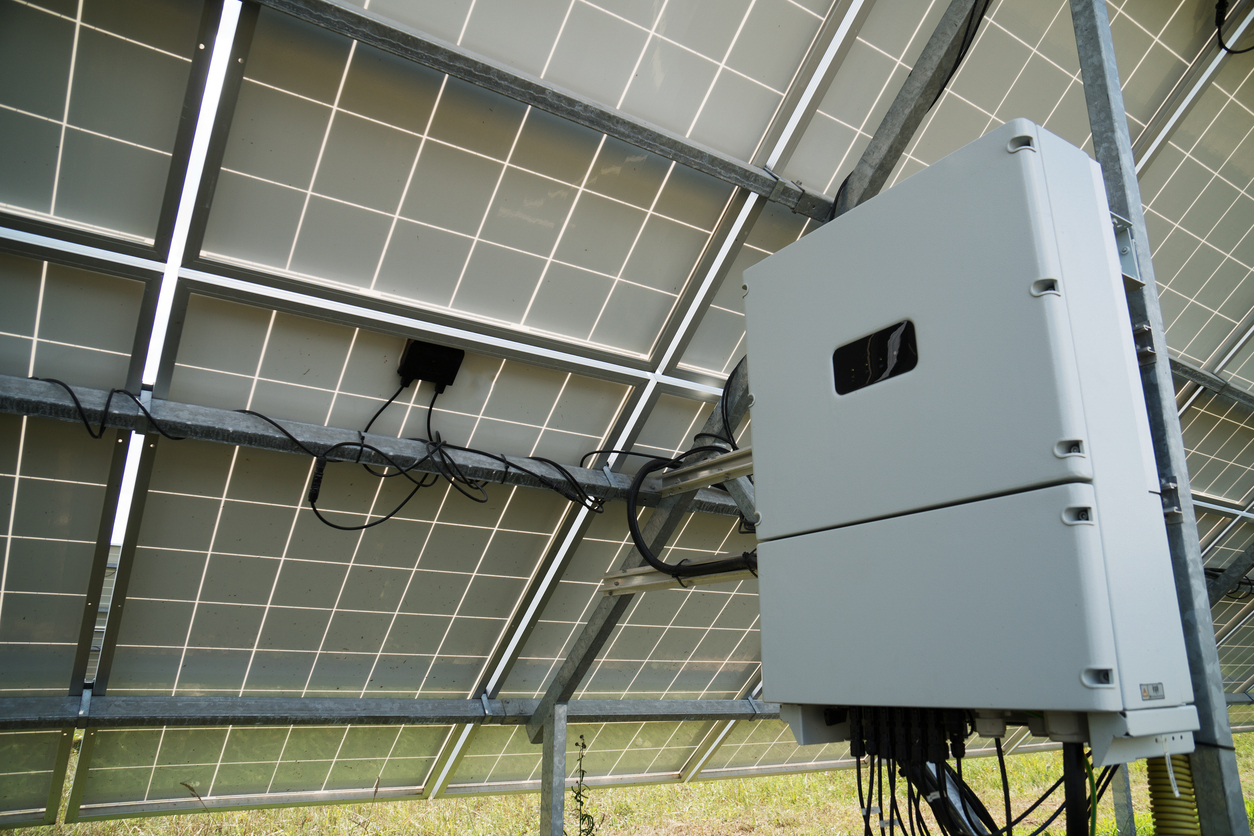
Solar energy combined with battery storage is gaining attention among manufacturers seeking long-term energy cost stability. Hybrid systems can significantly reduce diesel consumption while providing sustainable energy support.
Embedded or Dedicated Power Plants
Some large manufacturers partner with independent power producers to build dedicated power plants that supply electricity directly to industrial facilities.
Key Considerations When Implementing Captive Power
While captive power offers clear advantages, careful planning is required to ensure successful implementation.
Manufacturers should evaluate several factors before installing a captive power solution for manufacturing in Nigeria.
Energy Demand Assessment
Understanding the factory’s peak and base load energy requirements is essential for selecting the appropriate power system size and technology.
Fuel Availability
The long-term availability and cost of fuel sources such as gas or diesel will significantly affect operating expenses.
Regulatory Compliance
Captive power projects must comply with Nigerian energy regulations, environmental standards, and licensing requirements where applicable.
Integration with Production Operations
Power systems must be integrated with factory infrastructure to ensure seamless switching between grid and captive power when necessary.
The Role of Supply Chain Partners in Energy Planning
Energy reliability affects more than just production—it also influences sourcing, logistics, and distribution planning.
Companies involved in importation, manufacturing, and wholesale distribution often require stable production output to maintain consistent supply across markets. This is where experienced trade and logistics partners can provide additional support.
Wigmore Trading works with manufacturers and industrial suppliers across Nigeria, helping businesses maintain reliable supply chains through efficient sourcing, import coordination, and distribution management. By aligning procurement, logistics, and operational planning, manufacturers can better manage the broader impacts of energy disruptions.
Conclusion
Energy reliability remains a critical factor for industrial growth in Nigeria. As manufacturers seek greater control over production efficiency and operational costs, captive power solutions are becoming an increasingly practical option.
A well-designed captive power solution for manufacturing in Nigeria allows businesses to maintain continuous production, protect valuable equipment, and improve overall supply chain stability. When combined with effective sourcing, logistics, and distribution strategies, reliable energy infrastructure can significantly strengthen industrial competitiveness.
Wigmore Trading can help manufacturers streamline sourcing and supply chain operations to support stable production environments.
Contact Wigmore Trading today to streamline your sourcing.



Comments are closed.