
Cashew Nut Shelling Factory West Africa: Opportunities, Challenges, and Supply Chain Solutions

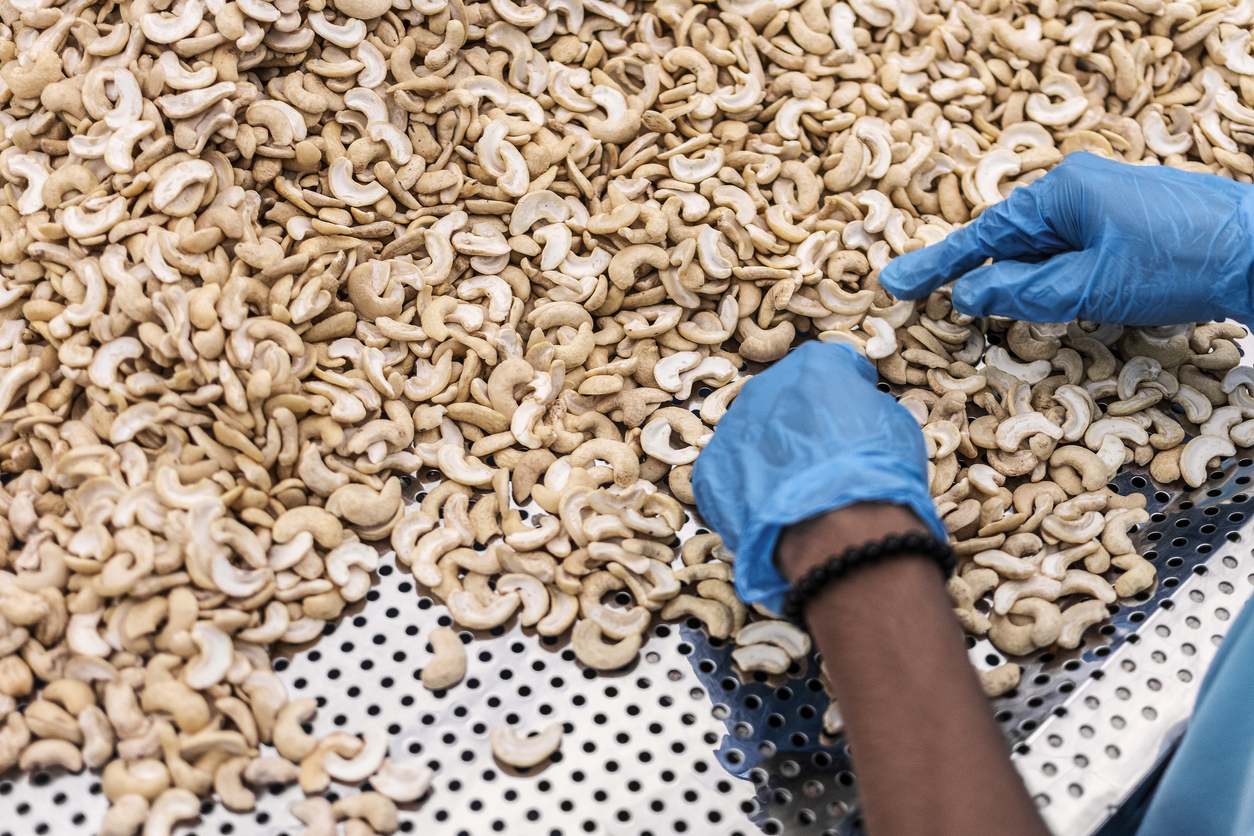
Cashew Nut Shelling Factory West Africa: Opportunities, Challenges, and Supply Chain Solutions
Introduction
The growth of the cashew industry in West Africa has created significant opportunities for value addition within the region. Establishing a cashew nut shelling factory in West Africa is increasingly seen as a strategic investment, enabling local processing rather than exporting raw cashew nuts (RCNs) to Asia. This shift not only improves margins but also supports job creation, industrialisation, and regional trade development.
However, setting up and operating a shelling factory requires careful planning, reliable sourcing, and efficient logistics. This article explores key considerations, challenges, and how businesses can build sustainable operations in this sector.
The Growing Demand for Local Processing
West Africa accounts for a large share of global cashew production, with countries such as Nigeria, Ivory Coast, Ghana, and Benin leading output. Traditionally, most raw cashew nuts are exported for processing abroad.
Increasingly, governments and investors are prioritising local processing through shelling factories to:
-
Capture more value within the region
-
Reduce dependency on exports of raw commodities
-
Strengthen regional supply chains
-
Create employment opportunities
A well-managed cashew nut shelling factory in West Africa can significantly increase profitability by producing kernels ready for international markets.
Key Requirements for a Cashew Nut Shelling Factory
Setting up a shelling facility involves several critical components:
1. Reliable Raw Material Supply
Consistent access to high-quality raw cashew nuts is essential. Seasonal fluctuations and competition from exporters can affect availability and pricing.
2. Processing Equipment
Factories require specialised equipment for steaming, shelling, drying, peeling, and grading. The choice between manual, semi-automated, or fully automated systems impacts output and labour costs.
3. Skilled Workforce
Cashew processing is labour-intensive, especially in peeling and grading stages. Training and workforce management are key to maintaining quality standards.
4. Quality Control and Certification
Export markets demand strict compliance with food safety standards such as HACCP and ISO certifications.
5. Infrastructure and Utilities
Reliable electricity, water supply, and transportation networks are necessary for smooth operations.
Challenges in West Africa’s Cashew Processing Sector
Despite strong potential, several challenges affect the viability of shelling factories:
Supply Chain Inefficiencies
Fragmented sourcing networks can lead to inconsistent supply and price volatility.
Logistics and Transportation
Poor road infrastructure and port congestion can delay shipments and increase costs.
Access to Finance
High upfront investment costs for machinery and infrastructure can be a barrier for new entrants.
Competition from Exporters
Exporters often offer competitive prices for raw nuts, reducing availability for local processors.
Quality Variability
Inconsistent handling and storage of raw cashew nuts can affect kernel quality and yield.
Practical Solutions for Sustainable Operations
To overcome these challenges, businesses must adopt structured and strategic approaches:
Strengthening Sourcing Networks
Building direct relationships with farmers and cooperatives ensures a more stable supply of raw materials.
Improving Logistics Planning
Efficient warehousing, transport coordination, and port management reduce delays and operational costs.
Investing in Technology
Semi-automated systems can improve efficiency while balancing labour costs.
Ensuring Compliance
Implementing international quality standards enhances export competitiveness.
How Wigmore Trading Supports Cashew Processing Businesses
Operating a cashew nut shelling factory in West Africa requires strong supply chain coordination and reliable partners. Wigmore Trading plays a key role in supporting businesses across multiple stages:
-
Sourcing Raw Cashew Nuts: Access to trusted supplier networks across West Africa
-
Logistics and Distribution: Efficient transport solutions from farm to factory and export markets
-
Import/Export Support: Assistance with documentation, compliance, and customs processes
-
Supply Chain Management: Streamlined operations to reduce costs and improve reliability
By leveraging local expertise and established networks, Wigmore Trading helps businesses minimise risks and optimise their operations.
Market Outlook for Cashew Processing in West Africa
The outlook for cashew processing in West Africa remains strong. Increasing global demand for cashew kernels, combined with regional policy support, is driving investment in local processing facilities.
As infrastructure improves and supply chains become more organised, shelling factories are expected to play a central role in transforming the region’s agricultural exports into higher-value products.
Conclusion
Establishing a cashew nut shelling factory in West Africa presents a compelling opportunity for investors and agribusinesses. While challenges such as supply chain inefficiencies and logistics constraints exist, they can be effectively managed through strategic planning and reliable partnerships.
Businesses that focus on consistent sourcing, operational efficiency, and quality standards will be well-positioned to succeed in this growing market.
Wigmore Trading can help. Contact Wigmore Trading today to streamline your sourcing.





Comments are closed.