
China to Nigeria Import Services for Fast & Reliable Shipping

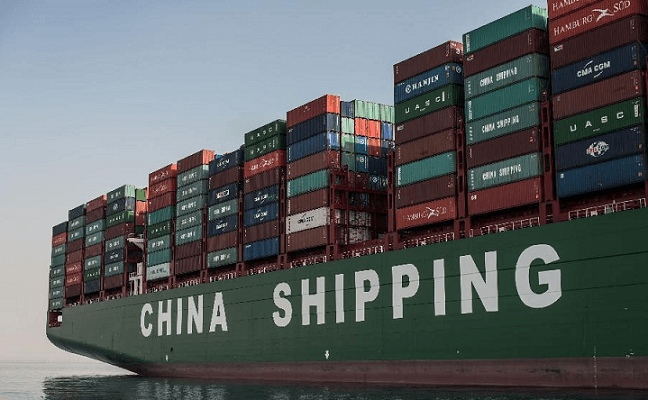
International trade between China and Nigeria continues to expand, driven by growing demand for machinery, electronics, textiles, building materials, FMCG products, and industrial inputs. For Nigerian businesses, sourcing from China offers cost advantages and product variety. However, the process requires careful coordination, regulatory compliance, and reliable logistics management.
This is where professional China to Nigeria import services play a critical role in ensuring smooth, compliant, and cost-effective transactions.
Understanding China to Nigeria Import Services
China to Nigeria import services refer to the end-to-end coordination of sourcing, procurement, freight forwarding, customs clearance, and final delivery of goods from Chinese suppliers to Nigerian businesses.
Importing from China is not simply about placing an order. It involves supplier verification, quality control inspections, shipping documentation, customs compliance, port handling, and inland transportation. Each stage carries financial and operational risks if not properly managed.
For importers in sectors such as wholesale distribution, construction, manufacturing, and FMCG, working with experienced trade partners reduces delays, unexpected charges, and regulatory issues.
Why Nigerian Businesses Import from China
China remains one of Nigeria’s largest trading partners. Several factors explain this trend:
-
Competitive pricing due to large-scale manufacturing
-
Broad product range across multiple industries
-
Access to private label and OEM production
-
Flexible minimum order quantities for many product categories
From industrial equipment to packaged consumer goods, Nigerian distributors and retailers rely on Chinese suppliers to remain competitive in local markets. However, the benefits of lower unit costs can be eroded by poor freight planning, documentation errors, or customs penalties.
Professional China to Nigeria import services help bridge this gap between opportunity and execution.
Key Stages in the China to Nigeria Import Process
A structured import process ensures predictable costs and timely delivery.
Supplier Sourcing and Verification
Before goods are shipped, supplier credibility must be confirmed. This includes verifying business licenses, assessing manufacturing capacity, and conducting quality inspections where necessary. Without proper due diligence, businesses risk receiving substandard or non-compliant goods.
Trade intermediaries and import service providers often conduct factory audits or coordinate third-party inspections to protect buyers.
Freight Planning and Shipping Method
Choosing the right shipping method depends on cargo volume, urgency, and budget.
Sea freight is the most common option for bulk shipments, particularly for machinery, construction materials, and large FMCG consignments. Air freight is typically used for urgent or high-value goods.
Decisions around Full Container Load (FCL) versus Less than Container Load (LCL) shipments also impact cost and transit time. Efficient freight planning prevents demurrage, port congestion delays, and unnecessary storage fees.
Documentation and Regulatory Compliance
Nigeria’s import framework requires accurate documentation. Common requirements include:
-
Form M
-
Pre-Arrival Assessment Report (PAAR)
-
Bill of Lading
-
Commercial Invoice
-
Packing List
-
SONCAP certification (for regulated products)
Errors in documentation can result in cargo seizure, penalties, or extended clearance delays. Professional China to Nigeria import services ensure compliance with Nigerian Customs Service regulations and other regulatory bodies.
Customs Clearance and Port Handling
Once cargo arrives at Nigerian ports such as Apapa or Tin Can Island, customs clearance becomes the next critical step. Efficient clearing requires accurate tariff classification, duty assessment, and proper engagement with port authorities.
Delays at this stage can significantly increase costs through demurrage and storage charges. Experienced clearing agents and logistics partners help accelerate the process.
Inland Transportation and Distribution
After clearance, goods must be transported safely to warehouses, retail outlets, or distribution hubs. Coordinated inland logistics ensures that cargo arrives intact and on schedule, especially for time-sensitive FMCG products or project-based industrial equipment.
Common Challenges in China to Nigeria Imports
Despite strong trade relations, importers often face recurring obstacles.
One major issue is fluctuating freight rates. Global shipping disruptions, fuel price changes, and container shortages can significantly impact landed costs.
Another challenge involves quality discrepancies between samples and final production batches. Without pre-shipment inspections, businesses may receive goods that fail to meet Nigerian standards.
Customs delays also remain a concern, particularly when documentation is incomplete or tariff codes are misclassified.
Additionally, currency fluctuations between the naira and foreign exchange markets can affect profit margins if not properly managed.
These challenges highlight the need for professional coordination and risk mitigation throughout the import cycle.
How China to Nigeria Import Services Reduce Risk
Working with a structured import partner provides several operational advantages.
First, consolidated sourcing support allows businesses to access verified suppliers while maintaining product standards. This is especially valuable for wholesalers managing multiple product lines.
Second, freight optimization strategies help balance cost and delivery timelines. Consolidated shipments and strategic routing can significantly reduce total logistics expenses.
Third, regulatory compliance expertise minimizes the risk of shipment rejection or penalties. Professional oversight ensures that required certifications and approvals are secured before goods leave China.
Finally, integrated supply chain coordination improves visibility. Businesses gain better tracking, cost forecasting, and inventory planning capabilities.
The Role of Wigmore Trading in China to Nigeria Import Services
For businesses operating in Nigeria and across West Africa, managing imports from China requires both local market knowledge and international trade expertise.
Wigmore Trading supports companies with structured sourcing, procurement coordination, freight management, customs clearance, and distribution services. By integrating these functions, businesses can focus on sales and market expansion while maintaining supply chain reliability.
Whether importing FMCG goods, industrial raw materials, packaging supplies, or equipment, coordinated logistics and compliance oversight reduce operational disruptions.
Rather than navigating supplier negotiations, shipping complexities, and regulatory requirements independently, businesses benefit from a streamlined approach that protects both timelines and margins.
Strategic Considerations for Long-Term Import Success
Sustainable importing from China requires more than transactional buying. Businesses should develop long-term supplier relationships, monitor regulatory updates, and continuously review shipping strategies.
Building predictable import cycles improves inventory planning and cash flow management. It also reduces emergency air freight costs caused by poor forecasting.
Professional China to Nigeria import services create structure around these strategic considerations, helping companies scale efficiently while maintaining compliance.
Conclusion
Importing goods from China offers Nigerian businesses significant competitive advantages, but success depends on careful coordination across sourcing, freight, compliance, and distribution.
Without proper oversight, delays, penalties, and quality issues can quickly erode cost savings. Structured China to Nigeria import services ensure that goods move efficiently from factory floor to Nigerian market.
For businesses seeking reliable sourcing, compliant import processes, and integrated logistics support, Wigmore Trading can help.
Contact Wigmore Trading today to streamline your sourcing.






Comments are closed.