
Choosing the Right Freight Forwarder Network for Your Supply Chain

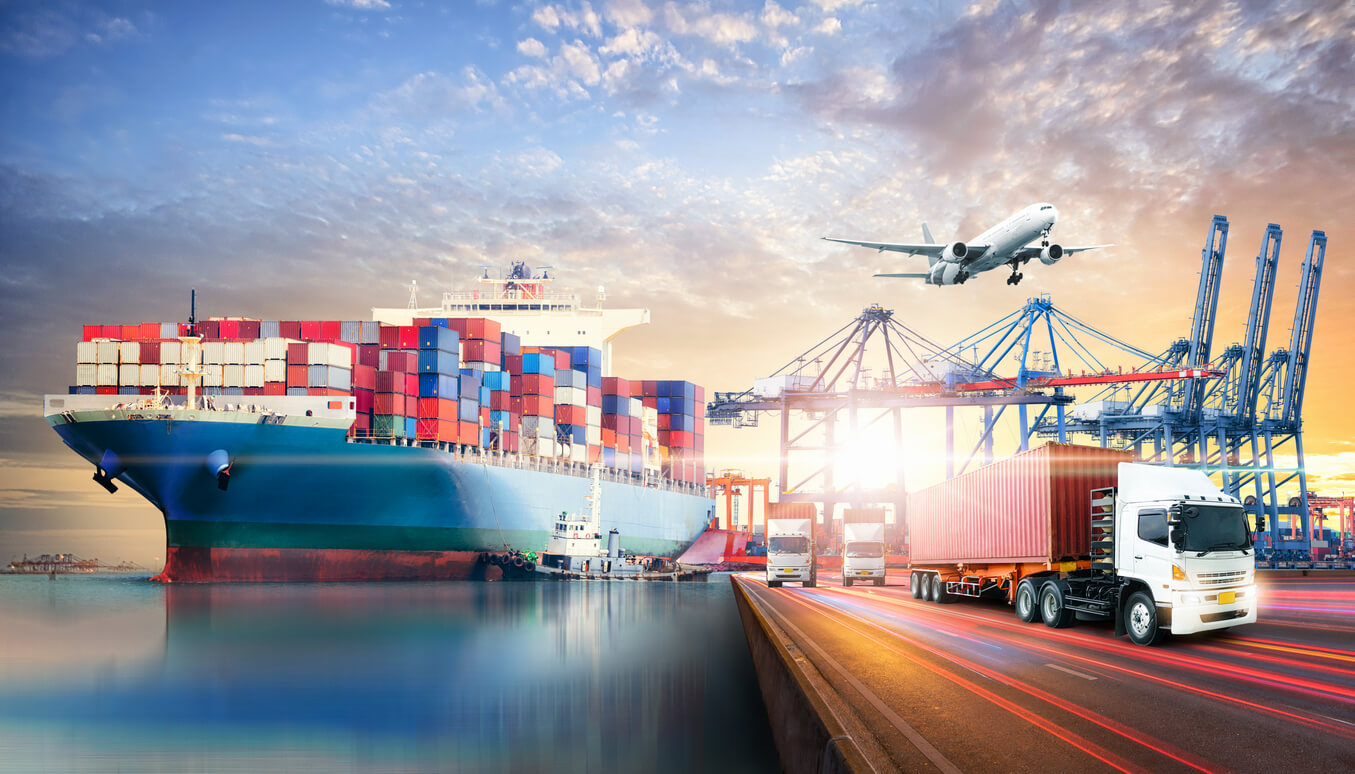
In today’s interconnected global economy, efficient logistics can be the difference between profit and delay. For businesses involved in import/export, wholesale distribution, FMCG, and African trade, working within a strong freight forwarder network is no longer optional—it is essential.
A freight forwarder network connects logistics providers, carriers, customs agents, and warehouses across multiple regions. This collaboration ensures goods move smoothly from origin to destination, even across complex international supply chains. For companies trading into and out of Africa, Asia, Europe, and the Americas, the right network reduces risk, cost, and uncertainty.
Wigmore Trading operates within established freight forwarder networks to help clients move goods reliably across borders while navigating regulatory and logistical challenges.
What Is a Freight Forwarder Network?
A freight forwarder network is a structured group of independent freight forwarders and logistics partners who collaborate globally. Members share local expertise, infrastructure, and operational standards to manage international shipments more effectively.
Instead of relying on a single provider with limited regional reach, businesses benefit from:
-
Local market knowledge in each destination
-
Established relationships with ports, airlines, and customs authorities
-
Faster problem resolution when disruptions occur
For African trade routes, where infrastructure and regulations can vary widely, a dependable freight forwarder network is especially valuable.
Key Benefits of Using a Freight Forwarder Network
1. Reliable Global Coverage
A strong network allows shipments to move seamlessly between continents. Whether sourcing goods from Asia or distributing products across West and Southern Africa, networked freight forwarders ensure continuity at every stage.
Wigmore Trading leverages these networks to coordinate international suppliers, shipping lines, and local delivery partners—reducing handover delays.
2. Faster Customs Clearance
Customs procedures remain one of the biggest bottlenecks in global logistics. Freight forwarder networks include licensed customs brokers who understand country-specific documentation, duties, and compliance rules.
This expertise helps avoid:
-
Costly shipment holds
-
Incorrect tariff classifications
-
Delays caused by incomplete paperwork
Wigmore Trading works with trusted network partners to support compliant customs clearance across key African ports and borders.
3. Cost Optimization
Networked freight forwarders often secure better freight rates through consolidated volumes and long-standing carrier relationships. These savings can be passed on to businesses shipping at scale.
For importers and distributors, this means more predictable landed costs and improved margins—particularly important in FMCG and bulk commodity trading.
4. Risk Management and Contingency Planning
Supply chain disruptions are unavoidable, whether due to port congestion, weather, or regulatory changes. Freight forwarder networks provide alternative routes, carriers, and warehouses when plans change.
When challenges arise, Wigmore Trading can tap into its logistics network to reroute shipments or source local solutions quickly.
Freight Forwarder Networks and African Trade
Africa’s growing consumer markets and industrial sectors present huge opportunities, but logistics complexity remains a key challenge. Fragmented infrastructure, varying regulations, and cross-border documentation can slow trade.
A well-established freight forwarder network helps businesses:
-
Access landlocked countries through coordinated multimodal transport
-
Navigate regional trade agreements and customs unions
-
Manage last-mile delivery in challenging environments
Wigmore Trading’s experience in African trade allows it to align sourcing, freight forwarding, and distribution within reliable logistics networks.
Common Challenges Without a Freight Forwarder Network
Businesses that rely on isolated logistics providers often face:
-
Poor communication between origin and destination
-
Limited visibility once goods leave port
-
Delays caused by unfamiliar local regulations
These issues increase costs and disrupt supply chains. Partnering with a company like Wigmore Trading, which operates within established freight forwarder networks, provides a more integrated approach.
How Wigmore Trading Supports Network-Based Logistics
Wigmore Trading combines product sourcing, international trade expertise, and logistics coordination. By working with reputable freight forwarder networks, the company helps clients:
-
Source goods globally
-
Arrange sea, air, and road freight
-
Coordinate customs clearance and documentation
-
Deliver products to African and international markets efficiently
Rather than managing multiple logistics vendors, businesses benefit from a streamlined process supported by experienced partners.
Wigmore Trading can help reduce complexity while maintaining control and visibility across the supply chain.
Choosing the Right Freight Forwarder Network Partner
When selecting a logistics partner, businesses should look for:
-
Proven experience in target trade lanes
-
Strong local partners in destination markets
-
Transparent communication and tracking
-
Compliance with international shipping standards
Wigmore Trading meets these criteria by aligning with dependable freight forwarder networks and offering hands-on trade support.
Final Thoughts
A strong freight forwarder network is a critical asset for businesses engaged in global trade. It improves reliability, reduces risk, and supports scalable growth—especially in complex markets like Africa.
If your business depends on efficient international logistics, working with a partner embedded in trusted freight forwarding networks makes a measurable difference.
Contact Wigmore Trading today to streamline your sourcing and logistics operations.






Comments are closed.