
Cold Chain Logistics in Africa: Reliable Solutions for Importers & Distributors

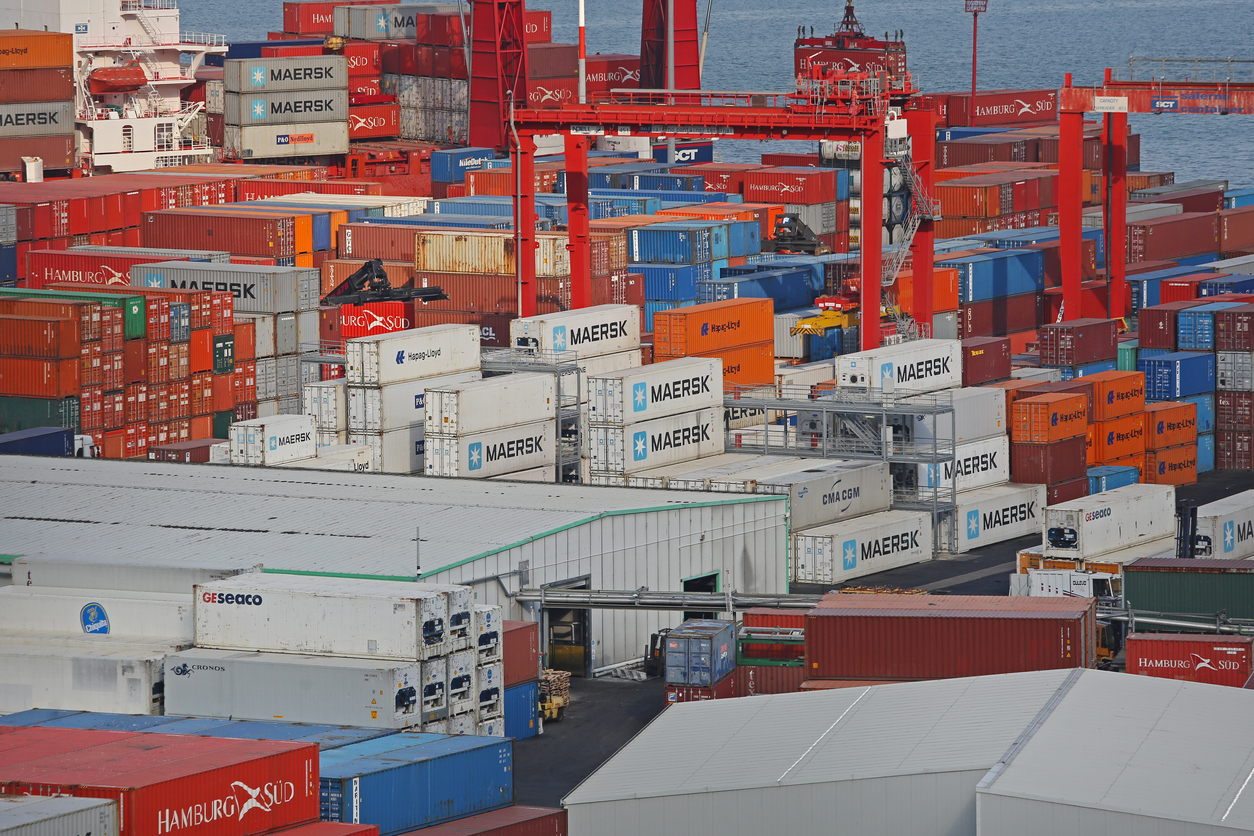
Cold chain logistics in Africa is becoming increasingly critical as demand rises for temperature-sensitive goods such as pharmaceuticals, vaccines, fresh produce, dairy products, frozen foods, and specialty chemicals. For importers, exporters, wholesalers, and FMCG distributors, maintaining product quality across long distances and complex supply chains is both a challenge and a necessity.
This article explores the current state of cold chain logistics in Africa, key challenges facing businesses, and how experienced partners like Wigmore Trading can help streamline cold storage, transportation, and distribution across the continent.
Understanding Cold Chain Logistics in Africa
Cold chain logistics refers to the transportation, storage, and handling of goods under controlled temperature conditions from origin to final destination. In Africa, this includes refrigerated warehousing, cold trucks, reefer containers, temperature monitoring systems, and last-mile delivery solutions.
With growing urban populations, expanding healthcare systems, and increased cross-border trade, cold chain logistics in Africa is no longer optional—it is a core component of modern supply chains.
Why Cold Chain Logistics Matters for African Trade
Reliable cold chain logistics in Africa directly impacts:
-
Food security and safety, reducing spoilage and waste
-
Pharmaceutical integrity, ensuring vaccines and medicines remain effective
-
Export competitiveness, meeting international quality standards
-
Retail and FMCG growth, supporting supermarkets and foodservice chains
Without proper cold chain infrastructure, businesses face product losses, regulatory issues, and damaged brand reputations.
Key Challenges in Cold Chain Logistics in Africa
Infrastructure Gaps
Many African markets still face limited access to modern cold storage facilities, refrigerated transport, and reliable electricity. These gaps increase the risk of temperature fluctuations during transit and storage.
Long Transport Distances
Cold chain logistics in Africa often involves moving goods across borders, ports, and inland regions. Extended transit times place greater pressure on temperature-controlled systems and monitoring.
Power Reliability Issues
Inconsistent power supply can compromise cold rooms and warehouses. Backup power solutions are essential but add operational costs.
Compliance and Quality Standards
Pharmaceuticals and food products must meet strict local and international regulations. Maintaining compliance across multiple jurisdictions can be complex without experienced logistics support.
Solutions Driving Cold Chain Growth in Africa
Modern Cold Storage Facilities
Investment in refrigerated warehouses near ports, airports, and major cities is improving cold chain logistics in Africa. These facilities support bulk imports, redistribution, and last-mile delivery.
Reefer Containers and Cold Trucks
Temperature-controlled containers and vehicles allow goods to move safely from origin to destination, even across challenging terrain.
Digital Temperature Monitoring
Real-time tracking and data logging reduce risk by alerting operators to temperature deviations before products are compromised.
Integrated Logistics Partnerships
Working with a single partner that understands sourcing, shipping, storage, and distribution simplifies cold chain management and reduces costs.
How Wigmore Trading Supports Cold Chain Logistics in Africa
Wigmore Trading plays a key role in supporting cold chain logistics in Africa by providing end-to-end supply chain solutions tailored to importers, distributors, and institutional buyers.
Sourcing and Import Coordination
Wigmore Trading helps clients source temperature-sensitive goods from reliable international suppliers, ensuring proper packaging, documentation, and compliance from origin.
Cold Storage and Warehousing Support
Through trusted logistics partners, Wigmore Trading facilitates access to modern cold storage facilities in key African markets, helping businesses maintain product integrity after arrival.
Temperature-Controlled Transportation
From ports to warehouses and onward to retailers or healthcare facilities, Wigmore Trading can coordinate refrigerated transport solutions that meet industry standards.
Regulatory and Market Expertise
Navigating customs, quality checks, and regulatory requirements is essential in cold chain logistics in Africa. Wigmore Trading’s local market knowledge reduces delays and compliance risks.
Industries Benefiting from Cold Chain Logistics in Africa
Cold chain logistics in Africa supports a wide range of sectors, including:
-
Pharmaceuticals and healthcare (vaccines, insulin, biologics)
-
Food and beverage (meat, seafood, dairy, frozen foods)
-
Agricultural exports (fruits, vegetables, flowers)
-
Hospitality and foodservice (hotels, restaurants, catering)
For businesses in these industries, reliable cold chain solutions are essential for growth and customer trust.
Choosing the Right Cold Chain Partner
When selecting a cold chain logistics partner in Africa, businesses should look for:
-
Proven experience in African trade and logistics
-
Access to reliable cold storage and transport networks
-
Strong compliance and quality control processes
-
End-to-end service coordination
Wigmore Trading combines trade expertise with logistics coordination, making it easier for businesses to move temperature-sensitive goods safely and efficiently.
The Future of Cold Chain Logistics in Africa
As investment increases and technology adoption improves, cold chain logistics in Africa will continue to expand. Governments, private investors, and logistics providers are recognizing its importance in reducing food waste, improving healthcare outcomes, and boosting intra-African trade.
Businesses that act early by building strong cold chain partnerships will be better positioned to scale and compete.
Wigmore Trading can help. Contact Wigmore Trading today to streamline your sourcing and distribution across Africa.





Comments are closed.