
Cold Storage for Restaurants in Nigeria: A Practical Guide for Food Businesses

Maintaining food quality and safety is a critical challenge for restaurants in Nigeria. With high ambient temperatures, inconsistent power supply, and complex supply chains, effective cold storage is no longer optional—it is essential. This guide explores the importance of cold storage for restaurants in Nigeria, key considerations when choosing solutions, and how businesses can optimise operations for efficiency and compliance.
Why Cold Storage Matters for Restaurants in Nigeria
Cold storage plays a vital role in preserving perishable food items such as meat, seafood, dairy, and fresh produce. Without proper refrigeration or freezing systems, restaurants risk:
- Food spoilage and financial losses
- Health and safety violations
- Reduced product quality and customer dissatisfaction
In Nigeria’s climate, where temperatures often exceed safe storage thresholds, even short disruptions in cooling can compromise inventory. Investing in reliable cold storage systems helps restaurants maintain consistent quality, reduce waste, and comply with food safety standards.
Types of Cold Storage Solutions for Restaurants
Restaurants in Nigeria can choose from several cold storage options depending on their size, menu, and operational scale.
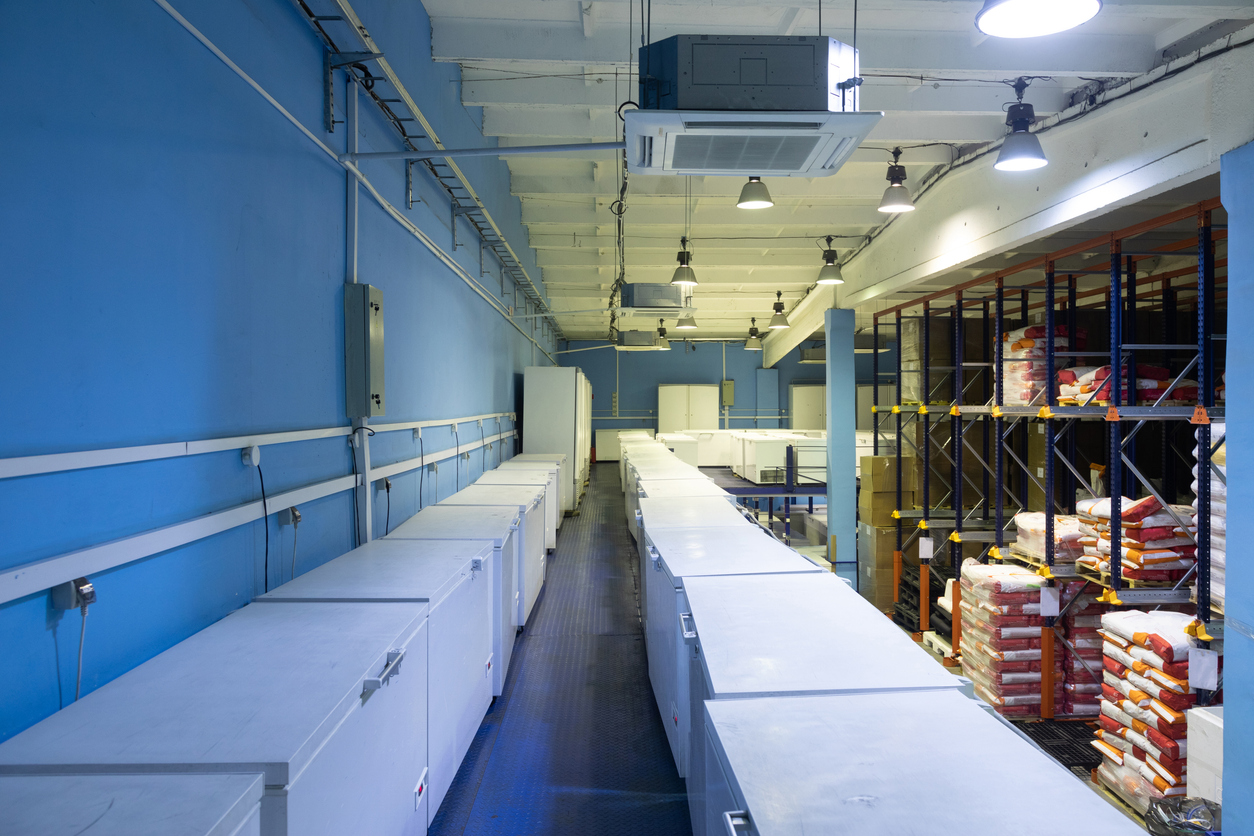
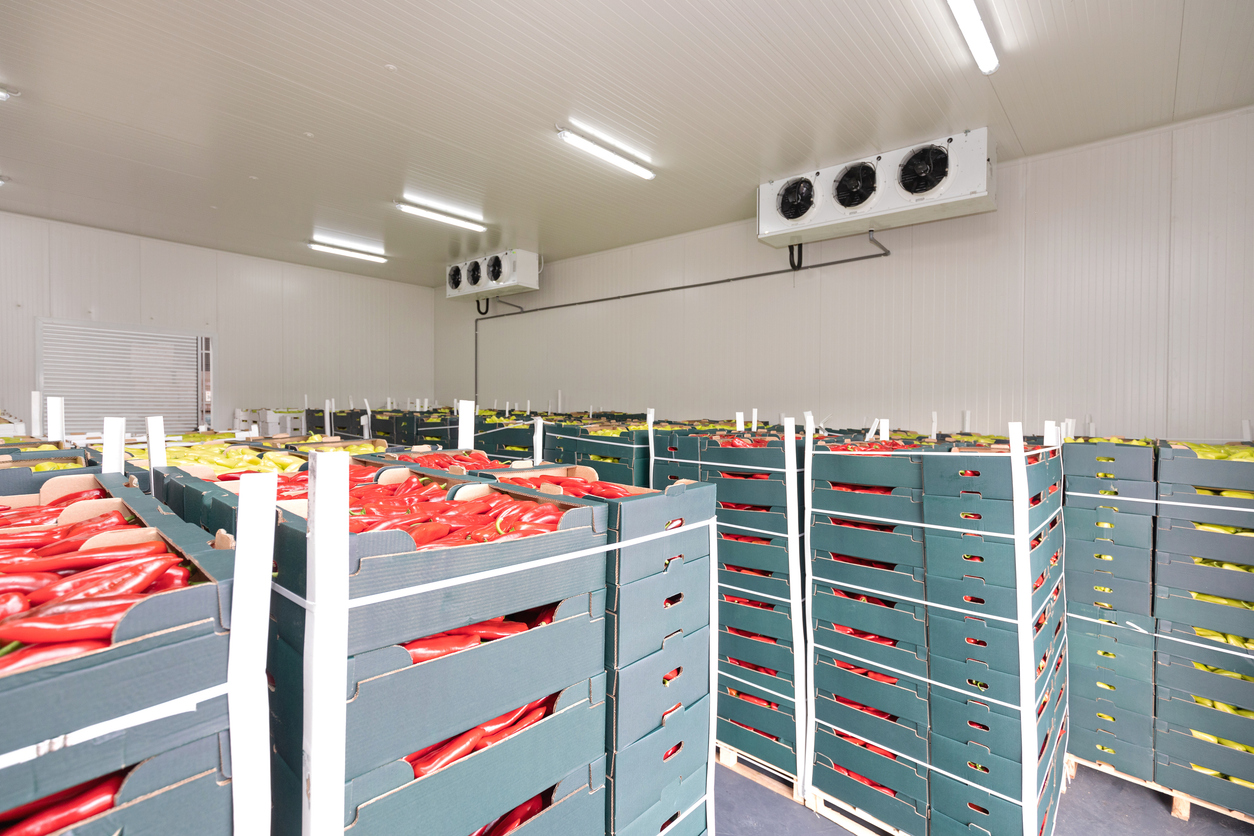
Walk-in Cold Rooms
Walk-in refrigerators and freezers are ideal for medium to large restaurants. They offer:
- High storage capacity
- Better organisation of inventory
- Stable temperature control
These systems are commonly used in hotels, large kitchens, and quick-service restaurant chains.
Upright and Chest Freezers
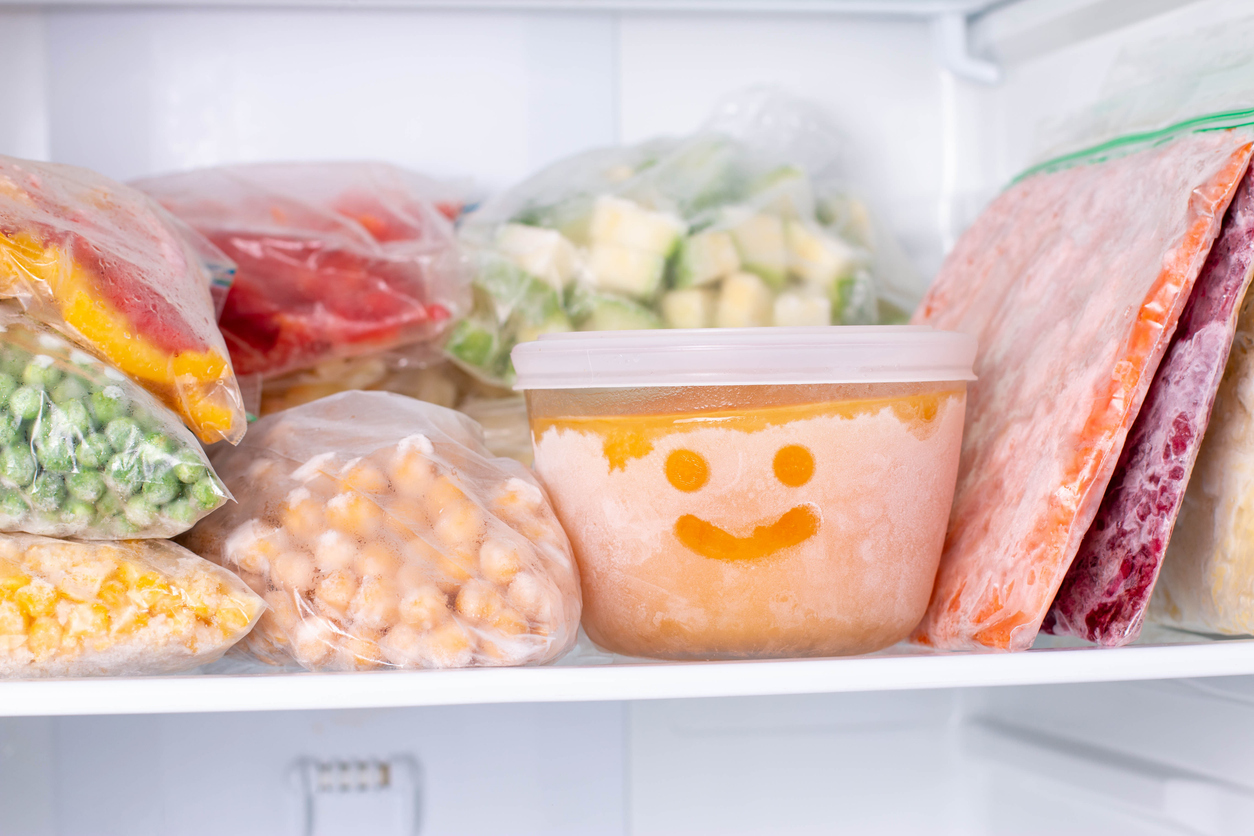
Smaller restaurants often rely on upright or chest freezers. These are:
- Cost-effective
- Easy to install
- Suitable for limited storage needs
However, they may not provide the same level of efficiency or scalability as walk-in units.
Blast Freezers
For restaurants handling high volumes of fresh food, blast freezers rapidly reduce temperature, preserving texture and nutritional value. This is especially useful for seafood and meat processing.
Key Considerations When Choosing Cold Storage for Restaurants in Nigeria
Selecting the right cold storage solution requires careful planning. Restaurants should consider the following factors:
Power Supply and Backup Systems
Nigeria’s power challenges make backup solutions essential. Restaurants should invest in:
- Generators or inverters
- Solar-powered refrigeration systems (where feasible)
Reliable power ensures temperature consistency and protects inventory.
Temperature Requirements
Different food items require specific temperature ranges:
- Fresh produce: 0°C to 5°C
- Frozen goods: -18°C or lower
Choosing equipment that can maintain these ranges consistently is critical.
Energy Efficiency
Energy costs can significantly impact operating expenses. Modern cold storage systems with energy-efficient compressors and insulation can reduce long-term costs.
Space and Layout
Kitchen space is often limited. Restaurants should optimise layout to ensure easy access to stored items while maintaining hygiene standards.
Compliance and Food Safety
Adhering to local health regulations is essential. Proper cold storage helps restaurants meet food safety guidelines and avoid penalties.
Common Challenges and Practical Solutions
Challenge: Inconsistent Power Supply
Solution: Combine cold storage systems with reliable backup power. Hybrid solutions, including solar integration, are increasingly viable in Nigeria.
Challenge: High Operating Costs
Solution: Invest in energy-efficient equipment and maintain regular servicing to prevent breakdowns and inefficiencies.
Challenge: Supply Chain Disruptions
Solution: Use cold storage to bulk-purchase and store inventory safely. This reduces dependence on frequent deliveries and stabilises supply.
This is where experienced partners in sourcing and logistics can make a difference. Wigmore Trading supports businesses by ensuring efficient procurement, proper handling of perishable goods, and reliable distribution across Nigeria.
Optimising Cold Storage Operations
To maximise the benefits of cold storage, restaurants should implement best practices:
- Regular maintenance: Schedule routine checks to ensure equipment is functioning optimally
- Inventory management: Use FIFO (First-In, First-Out) to minimise waste
- Temperature monitoring: Install digital monitoring systems for real-time tracking
- Staff training: Ensure employees understand proper storage procedures
Restaurants that adopt these practices can significantly improve efficiency and reduce losses.
The Role of Supply Chain and Logistics Partners
Cold storage does not operate in isolation—it is part of a broader supply chain. From sourcing to delivery, maintaining the cold chain is essential.
Wigmore Trading helps restaurants and food businesses in Nigeria navigate these challenges by offering:
- Reliable sourcing of food products
- Efficient import and distribution services
- Expertise in handling temperature-sensitive goods
- Support with compliance and logistics planning
By integrating cold storage with strong supply chain management, restaurants can ensure consistent product quality from supplier to customer.
Conclusion
Cold storage for restaurants in Nigeria is a critical investment for ensuring food safety, reducing waste, and maintaining operational efficiency. With the right equipment, proper planning, and effective supply chain support, restaurants can overcome common challenges and improve profitability.
Wigmore Trading can help. Contact Wigmore Trading today to streamline your sourcing.


Comments are closed.