
Cold Storage for Vegetable Sellers in Nigeria: Reducing Waste and Increasing Profitability

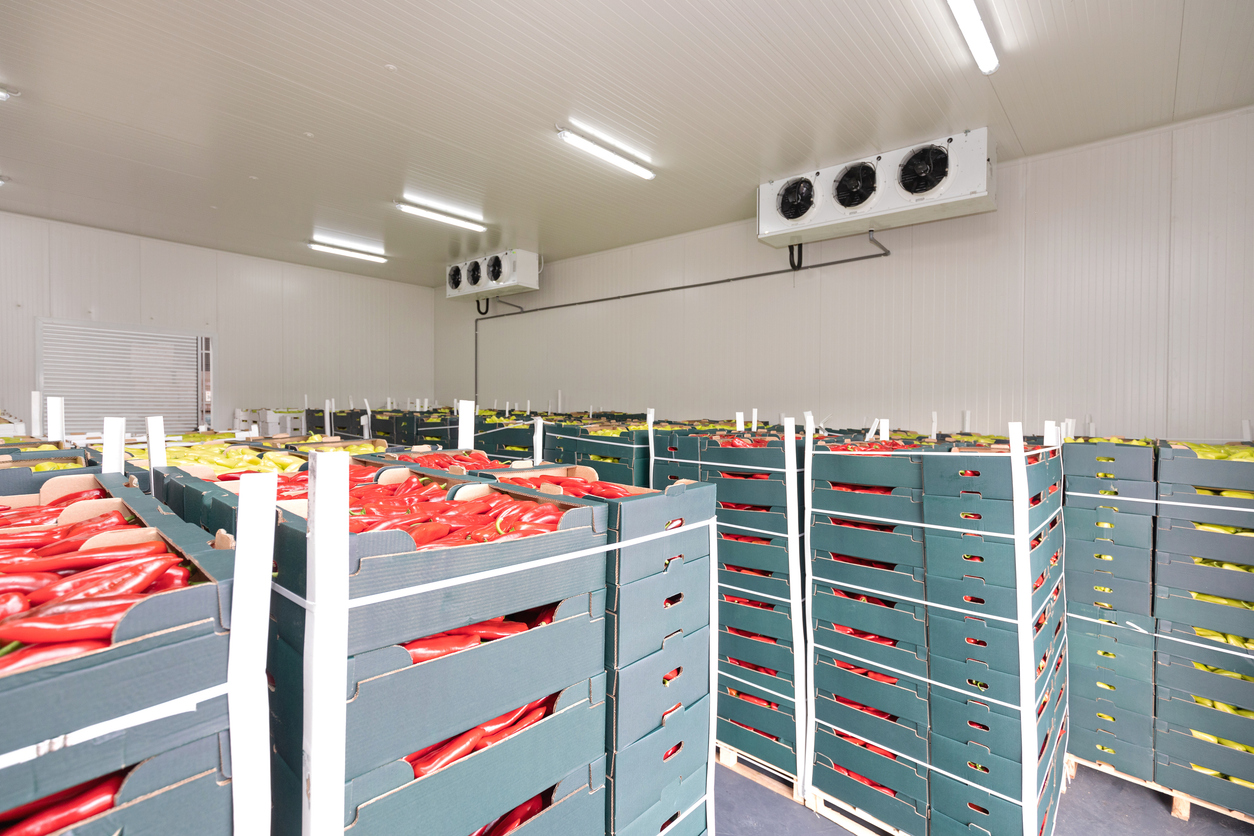
Post-harvest losses remain one of the biggest challenges facing vegetable sellers in Nigeria. Due to high temperatures, poor storage infrastructure, and inefficient supply chains, a significant portion of fresh produce spoils before it reaches consumers. For small and medium-scale traders, this directly affects profitability and business sustainability.
Investing in cold storage for vegetable sellers in Nigeria is becoming an essential solution to preserve freshness, extend shelf life, and stabilise supply. This article explores the importance of cold storage, practical options available, and how businesses can integrate efficient systems into their operations.
Why Cold Storage Matters for Vegetable Sellers in Nigeria
Vegetables such as tomatoes, peppers, spinach, and lettuce are highly perishable. Without proper temperature control, they deteriorate quickly due to moisture loss, microbial growth, and heat exposure.
Cold storage helps to:
- Extend shelf life by slowing down spoilage
- Maintain product quality and nutritional value
- Reduce financial losses from unsold inventory
- Enable bulk purchasing and better pricing strategies
In Nigeria, where transportation delays and inconsistent power supply are common, cold storage is not just an advantage—it is a necessity for serious vegetable traders.
Common Challenges Without Cold Storage
Many vegetable sellers operate without refrigeration due to cost or limited access. This leads to several operational challenges:
High Post-Harvest Losses
A large percentage of vegetables spoil within 24–72 hours, especially in open markets.
Price Volatility
Sellers are often forced to sell quickly at lower prices to avoid losses, reducing profit margins.
Limited Market Reach
Without preservation, traders cannot transport goods over long distances or expand distribution networks.
Seasonal Supply Issues
Surplus during harvest seasons often goes to waste instead of being stored for later sale.
Types of Cold Storage Solutions Available
There are several cold storage options suitable for vegetable sellers in Nigeria, depending on scale and budget:
1. Walk-in Cold Rooms
Ideal for wholesalers and distributors handling large volumes. These units provide controlled environments for storing bulk vegetables over extended periods.
2. Solar-Powered Cold Storage
A growing solution in areas with unreliable electricity. Solar cold rooms are particularly useful in rural farming and aggregation centres.
3. Refrigerated Display Units
Suitable for retailers and market sellers who need short-term storage while displaying products for sale.
4. Mobile Cold Storage Units
These are transportable systems that allow traders to preserve vegetables during transit, reducing losses across supply chains.
Integrating Cold Storage into the Supply Chain
To fully benefit from cold storage for vegetable sellers in Nigeria, it must be integrated into the broader supply chain.
Sourcing and Aggregation
Vegetables should be stored immediately after harvest to minimise initial deterioration.
Transportation
Using refrigerated transport or insulated packaging helps maintain temperature control during delivery.
Distribution and Retail
Cold storage at distribution hubs and retail points ensures consistent quality until final sale.
Companies like Wigmore Trading support businesses by providing structured supply chain solutions, including sourcing, logistics coordination, and distribution support. This helps ensure that temperature-sensitive goods are handled efficiently from farm to market.
Cost Considerations and ROI
While cold storage requires upfront investment, the long-term benefits often outweigh the costs.
Key cost factors include:
- Equipment purchase or leasing
- Power supply (diesel, electricity, or solar)
- Maintenance and operational costs
Return on investment comes from:
- Reduced waste and higher sellable inventory
- Ability to store and sell at better market prices
- Improved customer satisfaction due to higher quality produce
For many traders, shared cold storage facilities or partnerships with logistics providers can reduce the financial burden.
Regulatory and Quality Considerations
Maintaining proper storage conditions is also important for food safety and compliance. Sellers must ensure:
- Proper hygiene and sanitation practices
- Correct temperature settings for different vegetables
- Compliance with local food safety regulations
Wigmore Trading can assist businesses in navigating these requirements, ensuring that storage and distribution processes meet industry standards.
Conclusion
Cold storage is transforming the way vegetable sellers operate in Nigeria. By reducing waste, stabilising supply, and improving product quality, it provides a clear path to increased profitability and business growth.
As demand for fresh produce continues to rise, adopting efficient storage and logistics solutions will be key to staying competitive in the market.
Wigmore Trading can help. Contact Wigmore Trading today to streamline your sourcing.





Comments are closed.