
Copper Cathode Long Term Supply Africa: A Practical Guide for Buyers

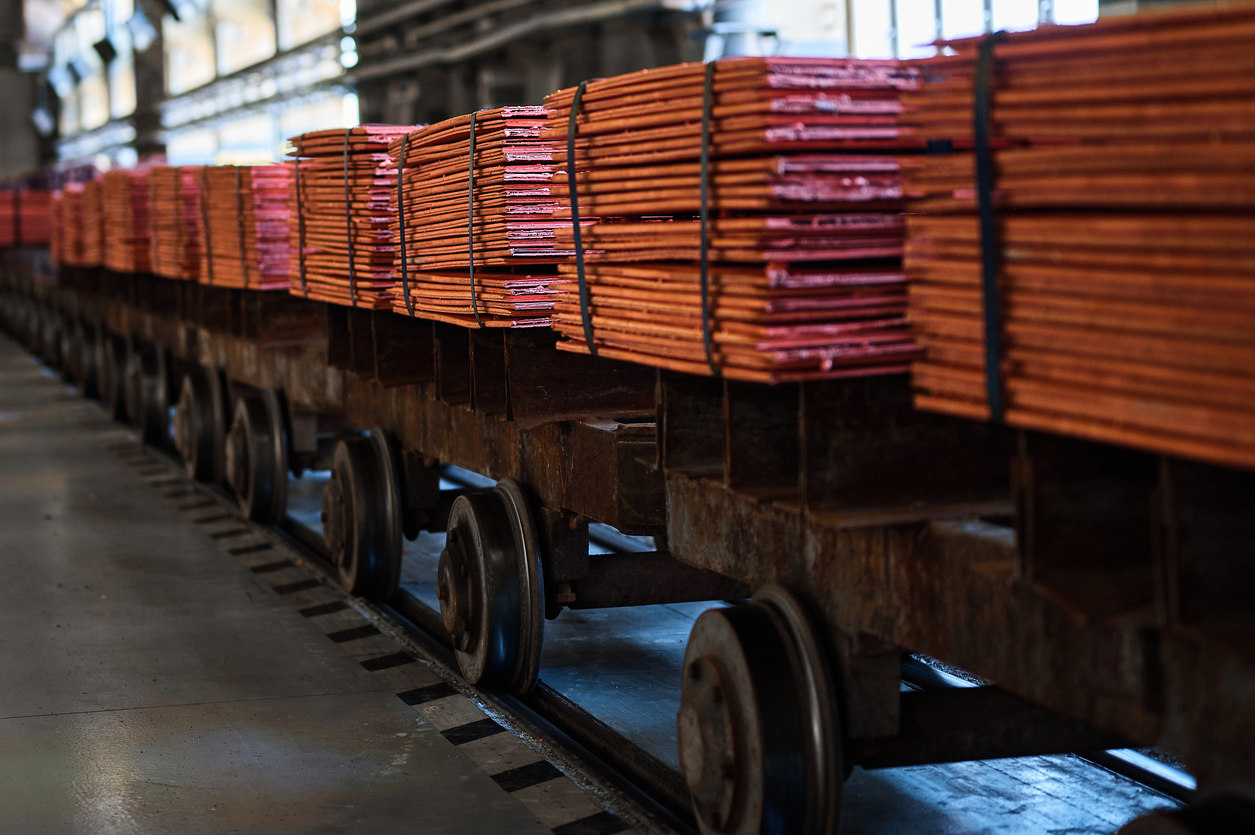
Securing a copper cathode long term supply Africa strategy is increasingly important for manufacturers, traders, and industrial buyers who rely on stable copper inputs. Copper cathodes (typically Grade A, 99.99% Cu) are widely used in wire and cable, electronics, renewable energy components, construction materials, and industrial machinery.
African-origin copper can be attractive due to proximity to key mining regions and growing export infrastructure. But long-term supply is not “set and forget.” It requires a structured approach to sourcing, quality assurance, logistics, and compliance—especially when contracts span multiple shipments over months or years.
This guide explains what buyers should evaluate and how to build a reliable long-term procurement plan.
Why Copper Cathode Long Term Supply Africa Matters for Industrial Procurement
A copper cathode long term supply Africa agreement can reduce operational risk for downstream manufacturers by creating consistency in:
-
Availability: Less exposure to spot-market shortages and shipment delays.
-
Cost planning: Better budgeting through pricing formulas (e.g., LME-based) and clearer premium structures.
-
Production continuity: Reduced risk of downtime in cable plants, foundries, and component manufacturing.
-
Supplier accountability: Agreed standards on packing, documentation, and delivery schedules.
Long-term supply also supports stronger relationships with logistics partners and inspection providers, making repeat shipments easier to control and audit over time.
Copper Cathode Long Term Supply Africa: Key Specs Buyers Should Lock In
Copper cathode contracts often fail due to vague specifications. A long-term arrangement should clearly define the technical and packaging requirements, such as:
Grade and quality benchmarks
Most international buyers request Grade A / LME-registered equivalent (commonly 99.99% purity). Contracts should specify:
-
Purity threshold and impurity limits (as applicable)
-
Acceptance criteria tied to assay/inspection results
-
Dispute process if lab findings differ
Cathode form, weight, and packing
Agree on:
-
Unit weight ranges (per cathode and per bundle)
-
Bundling method (strapped, palletized, or container-stacked)
-
Moisture/rust prevention measures where relevant
-
Container loading plan (to avoid damage and shortfalls)
These details help prevent avoidable claims around breakage, contamination, or non-conforming packaging.
Contract Structures for Copper Cathode Long Term Supply Africa
A copper cathode long term supply Africa program typically uses one of these structures:
1) Offtake-style contracts
Often used when a buyer commits to a monthly volume for a fixed term. This can work well when the supplier has stable production and export capacity.
2) Framework agreement + shipment-by-shipment POs
A practical model where quality, payment, documentation, and logistics rules are fixed, while each shipment is executed under a purchase order with specific dates and volumes.
3) LME-linked pricing formulas
Many buyers prefer transparent pricing based on:
-
LME cash/3M reference
-
A premium/discount (reflecting origin, brand, logistics, and market conditions)
-
Clear rules on pricing date, currency, and settlement
The key is consistency: the formula must be detailed enough to prevent renegotiations on every shipment.
Common Risks in Copper Cathode Long Term Supply Africa and How to Manage Them
Long-term supply is often disrupted by predictable issues. Here’s what buyers should plan for:
Supply consistency and capacity verification
Some suppliers can deliver a first shipment but struggle with recurring volumes. Buyers should:
-
Validate production and export history (past shipments, references)
-
Confirm stock availability and realistic lead times
-
Use staged ramp-ups (e.g., smaller initial monthly volumes, then scale)
Quality disputes and documentation gaps
Copper cathodes are high-value cargo, and documentation mistakes can block clearance. Mitigation steps include:
-
Third-party inspection and sampling before loading
-
Standard documentation checklist (commercial invoice, packing list, certificate of origin, assay/quality certificate, Bill of Lading, export permits where required)
-
A defined rejection/claim workflow with timelines
Logistics bottlenecks and route planning
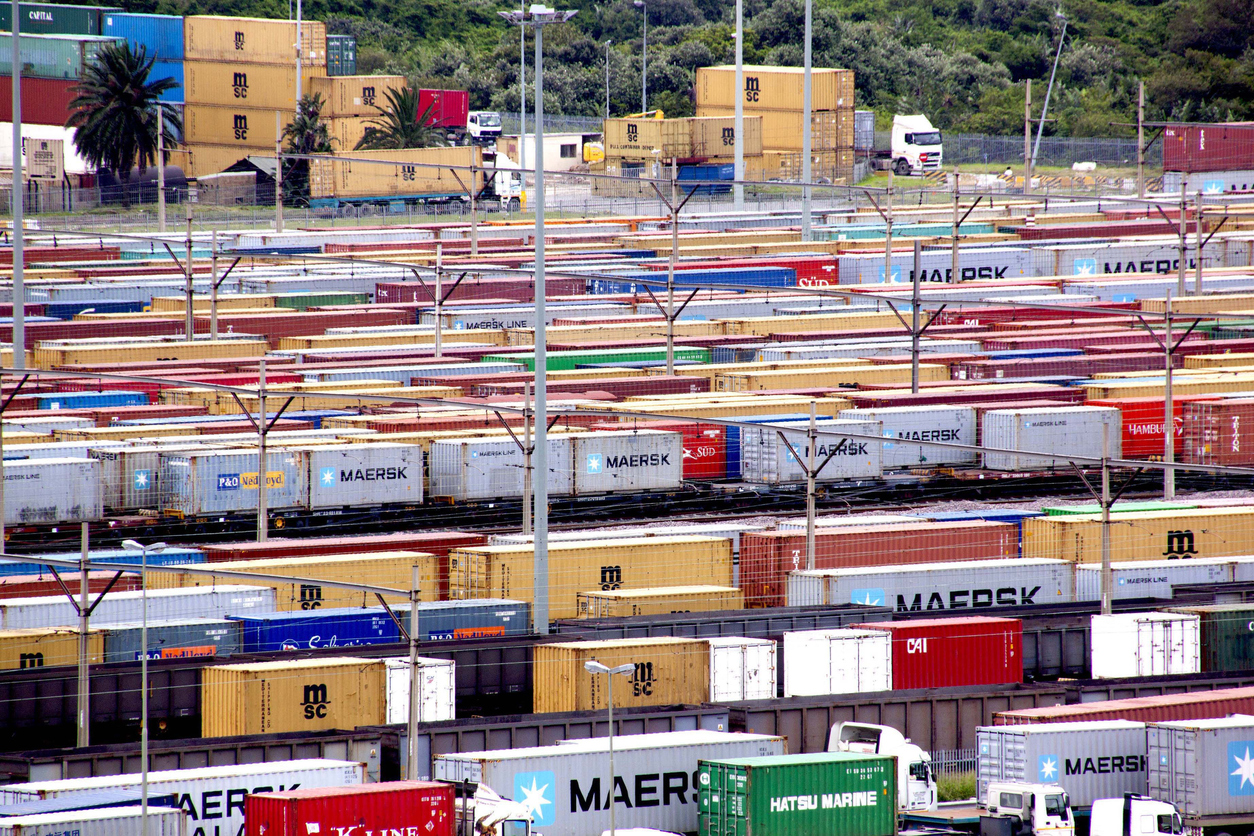
African export routes can be efficient, but port congestion, inland transport delays, or container shortages can impact schedules. Buyers benefit from:
-
Pre-planned shipping lanes and backup ports where feasible
-
Clear Incoterms (FOB/CIF/CFR) aligned to the buyer’s risk appetite
-
Cargo insurance aligned to commodity value and route risk
Compliance and counterparty risk
Cross-border commodity trade requires robust due diligence. Buyers should ensure:
-
KYC/AML checks on counterparties
-
Sanctions screening where relevant
-
Export compliance aligned with origin-country rules and destination import requirements
This is especially important for long-term arrangements where the same parties transact repeatedly.
How Wigmore Trading Supports Copper Cathode Long Term Supply Africa
Managing a copper cathode long term supply Africa pipeline typically requires coordination across sourcing, logistics, documentation, and risk controls. Wigmore Trading can support buyers by helping to:
-
Source and vet suppliers through structured due diligence and commercial verification
-
Coordinate inspection and quality assurance so shipments meet agreed specifications before dispatch
-
Manage logistics and shipping documentation to reduce delays at ports and during customs clearance
-
Support compliance workflows (documentation integrity, trade controls awareness, and shipment traceability practices)
For buyers building repeat shipments, having a consistent partner for procurement coordination and supply chain execution can reduce friction and improve reliability over time.
Building a Reliable Copper Cathode Long Term Supply Africa Plan
To implement a sustainable program, buyers can use this approach:
-
Define volumes and delivery cadence (monthly/quarterly) and confirm flexibility bands.
-
Lock specifications and acceptance criteria (purity, packing, inspection method).
-
Choose a pricing mechanism that is transparent and repeatable (often LME-linked).
-
Set documentation and compliance requirements before the first shipment.
-
Pilot shipments, then scale once performance is proven across quality and delivery.
This structure turns long-term supply from a risky promise into a controlled operating process.
Conclusion
A well-designed copper cathode long term supply Africa agreement can improve continuity, budgeting, and operational stability for manufacturers and traders. The strongest programs succeed because they standardize specifications, logistics, inspection, and compliance—then execute consistently shipment after shipment.
Wigmore Trading can help. Contact Wigmore Trading today to streamline your sourcing.





Comments are closed.