
Corn Grit for Cornflakes Manufacturing Plants – A Strategic Sourcing Guide
Talk to us about this service
Trade, import, logistics, sourcing — whatever you're planning, the fastest way to a quote is a WhatsApp message. Our team replies during Lagos business hours.
WhatsApp usYour message tells us which page you came from
Cornflakes remain one of the most consumed breakfast cereals globally, with consistent demand driving large-scale manufacturing across Africa and beyond. At the heart of cornflake production lies a critical raw material—corn grit. For manufacturers aiming to ensure consistent quality and output, sourcing high-grade corn grit is not just an operational need—it’s a strategic priority. This article explores what corn grit is, why it’s vital to cornflake production, and how Wigmore Trading can help manufacturers secure top-quality supply across African and international markets.
What Is Corn Grit?
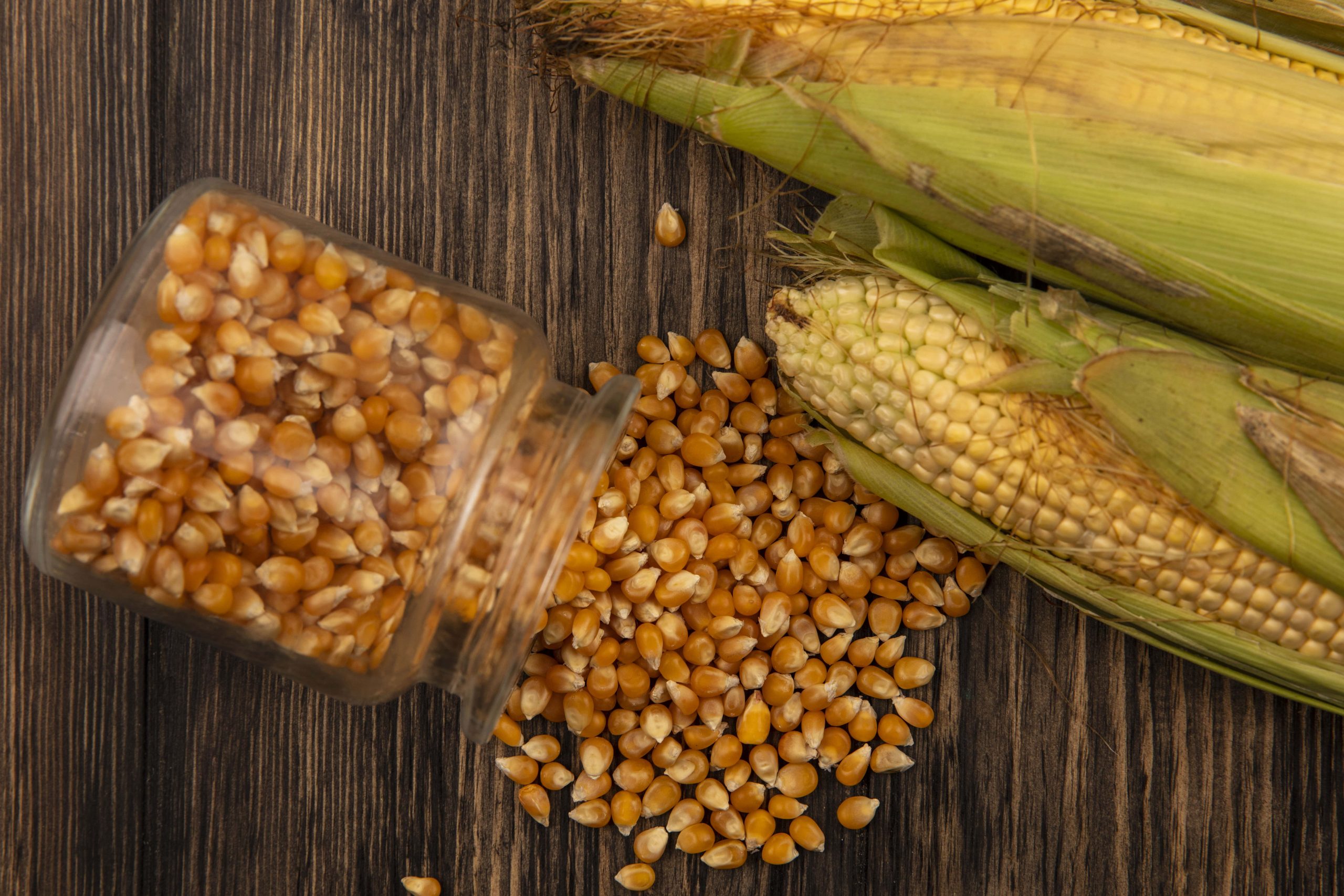
Corn grit refers to coarsely ground corn (maize) kernels that are mechanically separated into uniform-sized particles. It comes in different grit sizes, which are selected based on the intended food application.
In cornflakes production, medium to coarse corn grits are typically used. They go through a process of cooking, drying, rolling, toasting, and sometimes flavoring before becoming the final cereal product.
Importance of High-Quality Corn Grit in Cornflakes Production
1. Texture and Consistency
Corn grit quality directly affects the crispness and flake integrity of cornflakes. Uniform grit size ensures even cooking and reduces waste during processing.
2. Color and Appearance
Clean, bright-yellow corn grits help achieve the golden hue consumers expect. Lower-quality grits can lead to inconsistent coloring and off-flavors.
3. Nutritional Value
Using non-GMO, food-grade corn grits retains essential nutrients and supports manufacturers targeting health-conscious consumers.
4. Yield Efficiency
High-purity grits translate to better processing yield, reducing costs and improving overall manufacturing efficiency.
Why Sourcing Matters for African Manufacturers
Manufacturing facilities in Nigeria, Ghana, Kenya, and other fast-growing economies are ramping up breakfast cereal production. However, reliable sourcing of quality corn grit remains a bottleneck.
Challenges include:
-
Inconsistent local supply
-
Lack of food-grade processing facilities
-
Limited access to global suppliers
This is where Wigmore Trading’s expertise becomes invaluable.
How Wigmore Trading Can Help
Wigmore Trading is a trusted supplier of bulk corn grit for food manufacturing industries across West and Central Africa. Here’s how we support cornflake manufacturers:
✔️ Premium Quality Corn Grit
We supply food-grade, non-GMO corn grit tailored to the needs of cornflakes plants—delivered in consistent grades for industrial processing.
✔️ Efficient Logistics
With our dedicated supply chain network, we deliver across Nigeria, Ghana, Cameroon, and other markets quickly and reliably—minimizing plant downtime.
✔️ Custom Orders & Packaging
Whether you’re a large-scale processor or growing plant, we accommodate custom volumes and packaging specifications, ensuring your plant’s exact needs are met.
✔️ Import & Export Capabilities
For manufacturers looking to export finished cereal products, we also support cross-border compliance and document processing, ensuring seamless trade.
Conclusion
Corn grit is the foundation of every great cornflake product. Without a consistent supply of high-quality grit, manufacturers risk disruptions in production and customer satisfaction. With Wigmore Trading’s sourcing, logistics, and food-grade compliance expertise, you can maintain peak performance across your cornflake manufacturing lines.
Contact Wigmore Trading today to streamline your sourcing. Let us help you keep your production smooth, efficient, and profitable.

Comments are closed.