
Corporate Evacuation Planning Services: Why Businesses Must Prepare for Emergencies

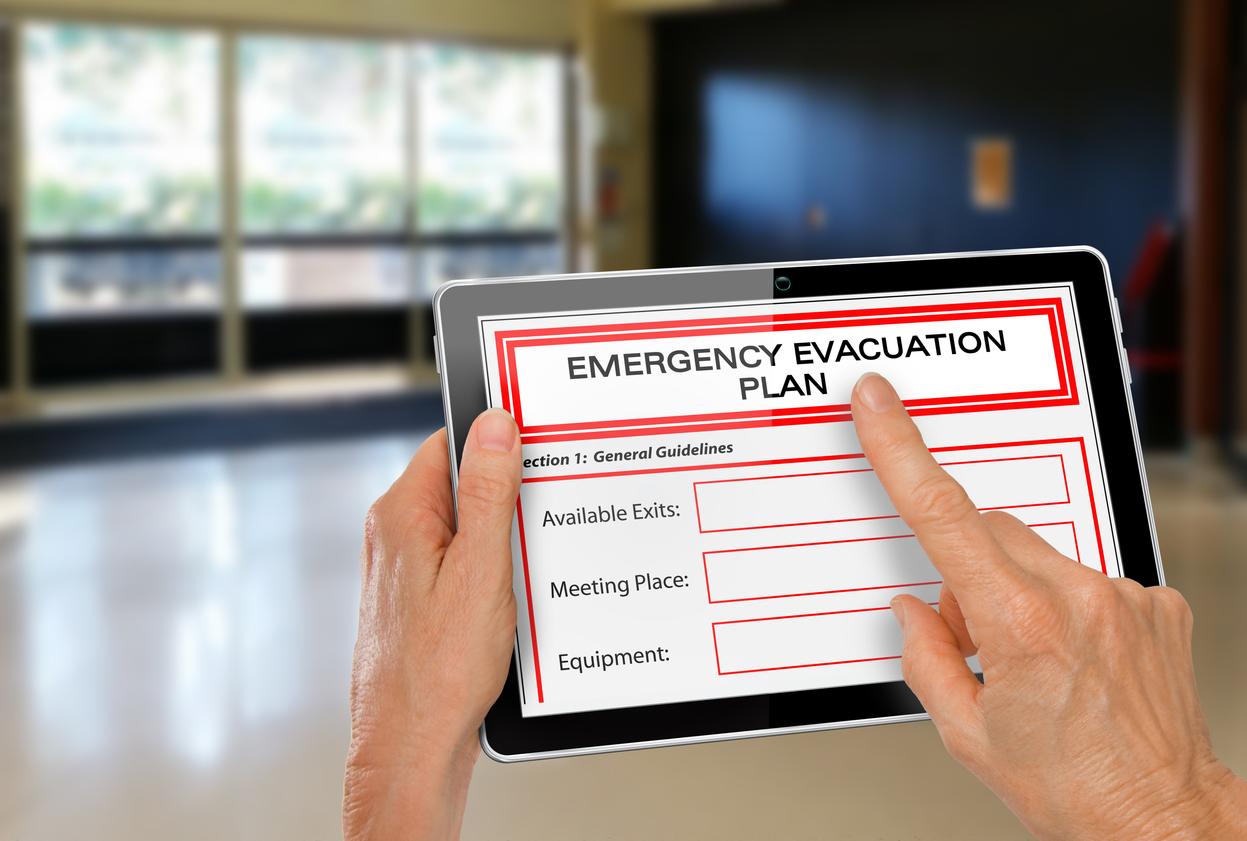
Businesses operating in today’s global environment face a wide range of risks—from political instability and natural disasters to security threats and sudden infrastructure failures. For companies with employees, operations, or supply chains spread across multiple regions, preparation is essential.
Corporate evacuation planning services help organisations create structured strategies to safely relocate employees, protect assets, and maintain business continuity during emergencies. Without a clear evacuation plan, companies risk operational disruption, financial losses, and potential harm to their workforce.
For businesses trading internationally, particularly in emerging markets and complex logistics environments, corporate evacuation planning has become a critical component of responsible risk management.
What Are Corporate Evacuation Planning Services?
Corporate evacuation planning services involve developing organised procedures that enable businesses to move staff quickly and safely during emergencies. These services typically include risk assessment, evacuation route planning, communication protocols, and coordination with transportation and logistics providers.
The goal is not simply to react to a crisis but to prepare well in advance so that evacuation can be executed efficiently if required.
Typical components of a corporate evacuation plan include:
-
Risk and threat assessments for operating regions
-
Identification of safe evacuation routes and transport options
-
Coordination with security and logistics partners
-
Emergency communication systems
-
Employee accountability and tracking procedures
-
Documentation and compliance planning
Companies operating in international trade, manufacturing, logistics, or import/export industries often require evacuation plans that account for complex operational footprints across multiple countries.
Why Businesses Need Corporate Evacuation Planning Services
Many organisations underestimate how quickly emergencies can escalate. Political unrest, airport closures, infrastructure failures, or health emergencies can develop with little warning.
Corporate evacuation planning services help businesses reduce risk and respond effectively to these situations.
Protecting Employees and Contractors
The most important responsibility of any organisation is ensuring the safety of its people. Companies with staff working in ports, warehouses, distribution hubs, or international trade environments must ensure evacuation procedures are clearly defined and communicated.
Prepared evacuation plans help organisations account for employees quickly and relocate them safely when necessary.
Minimising Operational Disruption
Unexpected emergencies can halt operations across entire supply chains. For businesses involved in international logistics and trade, even a short disruption can affect shipments, contracts, and customer commitments.
Having a corporate evacuation plan allows leadership teams to manage crises while maintaining control over key business functions.
Supporting Regulatory and Compliance Requirements
Many multinational organisations are required to demonstrate duty-of-care responsibilities toward employees working in higher-risk regions. Corporate evacuation planning services help companies meet these obligations while maintaining proper documentation and risk mitigation strategies.
Key Elements of an Effective Corporate Evacuation Plan
Not all evacuation plans provide the same level of protection. Effective corporate evacuation planning services combine strategic preparation with practical execution.
Risk Assessment and Scenario Planning
The first step involves evaluating potential risks based on geography, political climate, infrastructure stability, and operational footprint. Businesses operating in international trade hubs, ports, or developing markets often face unique challenges that require tailored risk assessments.
Transportation and Logistics Coordination
During an emergency, transport infrastructure may become congested or unavailable. Effective evacuation plans identify multiple transportation options, including ground transport, air evacuation, and safe transit routes.
Companies involved in logistics and supply chain operations already understand how critical coordinated transport planning can be.
Communication Systems
Clear communication during a crisis is essential. Businesses must have systems in place to quickly notify employees, provide instructions, and track personnel during evacuation.
These systems often include emergency messaging platforms, call trees, and digital tracking tools.
Supply Chain and Operational Continuity
While evacuation focuses on people, organisations must also consider how to protect supply chains and operational assets.
Companies involved in international sourcing and distribution often need contingency logistics strategies to ensure that critical shipments, warehousing operations, or trade agreements are not severely disrupted.
Corporate Evacuation Planning for International Trade Businesses
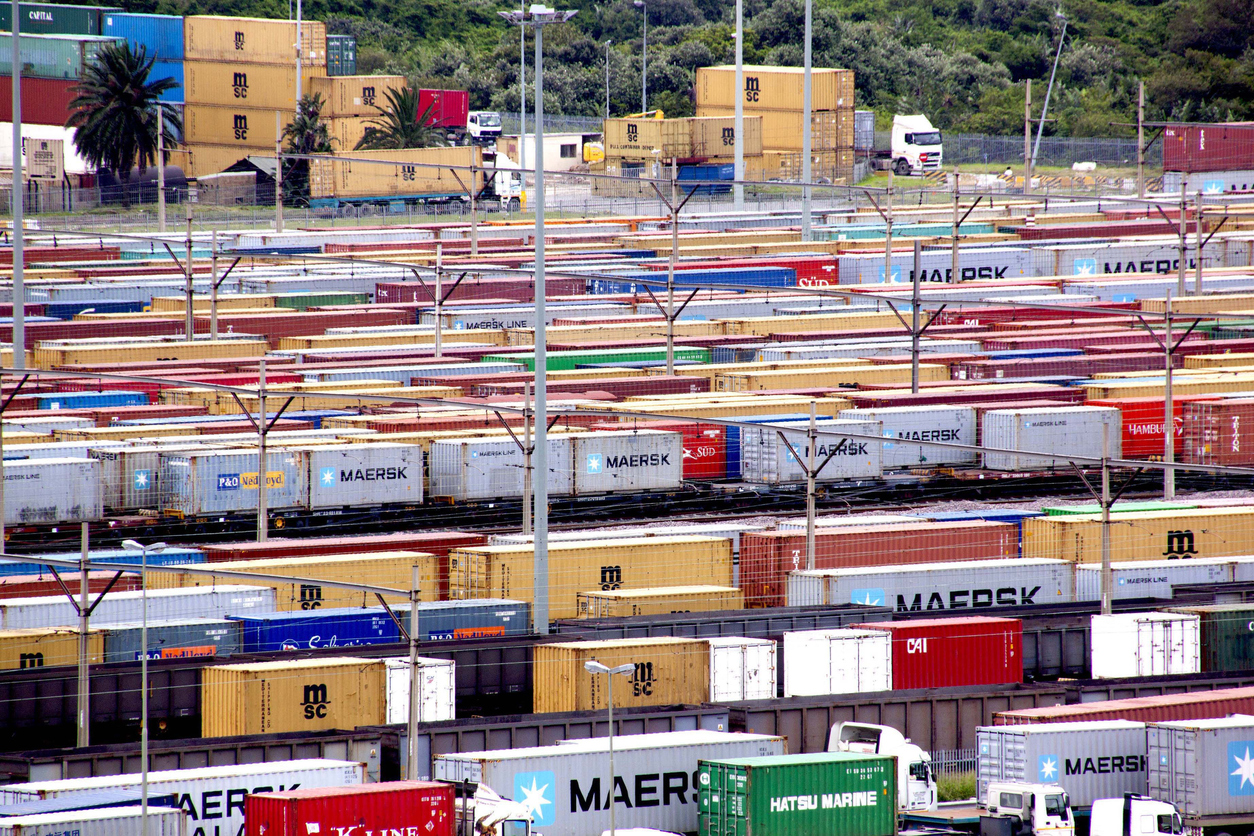
Businesses engaged in import/export and wholesale distribution face particular risks during emergencies. Trade operations often involve multiple stakeholders across different countries, including suppliers, freight operators, port authorities, and customs agencies.
Corporate evacuation planning services help ensure that employees working in ports, warehouses, and trade corridors can be relocated safely while maintaining communication across the supply chain.
Logistics coordination, transportation planning, and supply chain visibility are especially important during crisis situations.
This is where experienced logistics and trade partners can support businesses by ensuring transportation networks, sourcing channels, and distribution systems remain operational even during disruptions.
How Wigmore Trading Supports Crisis-Ready Supply Chains
Emergency preparedness often extends beyond employee evacuation. Businesses must also consider how disruptions affect sourcing, logistics, and distribution networks.
Wigmore Trading works with companies across Africa and international markets to help strengthen supply chains through reliable sourcing, logistics coordination, and distribution support.
By maintaining strong supplier networks, efficient logistics channels, and regional trade expertise, businesses can respond more effectively when unexpected disruptions occur.
Prepared supply chains, combined with strong operational planning, allow companies to maintain continuity even during challenging circumstances.
Conclusion
As global business environments become increasingly complex, emergency preparedness is no longer optional. Corporate evacuation planning services provide businesses with the structure and strategy needed to protect employees, manage crises, and maintain operational stability.
Organisations that invest in risk assessment, communication systems, transportation planning, and supply chain coordination are far better positioned to respond effectively during emergencies.
Wigmore Trading can help businesses strengthen their supply chains and operational resilience.
Contact Wigmore Trading today to streamline your sourcing and logistics support.





Comments are closed.