
Corporate Security in Venezuela: Key Risks and Practical Strategies for Businesses


Corporate security in Venezuela has become a critical concern for businesses operating or planning to enter the market. While the country presents opportunities in sectors such as energy, mining, and FMCG distribution, the operating environment remains complex due to political volatility, security threats, and regulatory uncertainty.
Understanding these risks—and implementing structured mitigation strategies—is essential for companies involved in import/export, logistics, and wholesale trade.
Key Corporate Security Risks in Venezuela
1. Political and Regulatory Instability
Venezuela is currently experiencing a fluid political transition, with shifting governance structures and uncertain regulatory enforcement. This creates unpredictable conditions for businesses, including sudden policy changes and contract risks.
Additionally, sanctions and international compliance requirements remain in place, increasing the complexity of cross-border trade and financial transactions.
Business impact:
- Contract enforcement challenges
- Delays in licensing and approvals
- Exposure to sanctions violations
2. Physical Security Threats
Companies operating in Venezuela face elevated risks related to crime and violence. Common threats include:
- Kidnapping and extortion
- Theft of goods in transit
- Armed criminal activity in key regions
These risks are particularly relevant for logistics operations, warehousing, and last-mile distribution.
Business impact:
- Increased insurance and security costs
- Risks to personnel safety
- Disruption of supply chains
3. Corruption and Opaque Business Environment
The Venezuelan business environment is often characterised by limited transparency and complex ownership structures. Many local entities may be linked to politically exposed persons or sanctioned individuals.
Business impact:
- Reputational risk
- Compliance breaches
- Difficulty in conducting due diligence
4. Logistics and Infrastructure Disruptions
Ports, airspace, and transport systems in Venezuela can be affected by political developments and operational restrictions, leading to delays and uncertainty in cargo movement.
Additionally, regional shipping routes have become more complex due to heightened monitoring and compliance requirements.
Business impact:
- Longer delivery timelines
- Increased freight and compliance costs
- Inventory management challenges
5. Cybersecurity and Data Risks
Recent incidents, including cyberattacks on major state-owned enterprises, highlight growing digital security threats. These attacks can disrupt operations and compromise sensitive data.
Business impact:
- Operational downtime
- Data breaches
- Financial losses
Strategies to Strengthen Corporate Security in Venezuela
1. Conduct Enhanced Due Diligence
Traditional due diligence is often insufficient in Venezuela. Businesses should:
- Verify beneficial ownership structures
- Screen partners against sanctions lists
- Monitor political exposure in real time
This reduces the risk of engaging with non-compliant or high-risk entities.
2. Implement Robust Supply Chain Security
Companies involved in import/export should:
- Use secure transport routes and vetted logistics partners
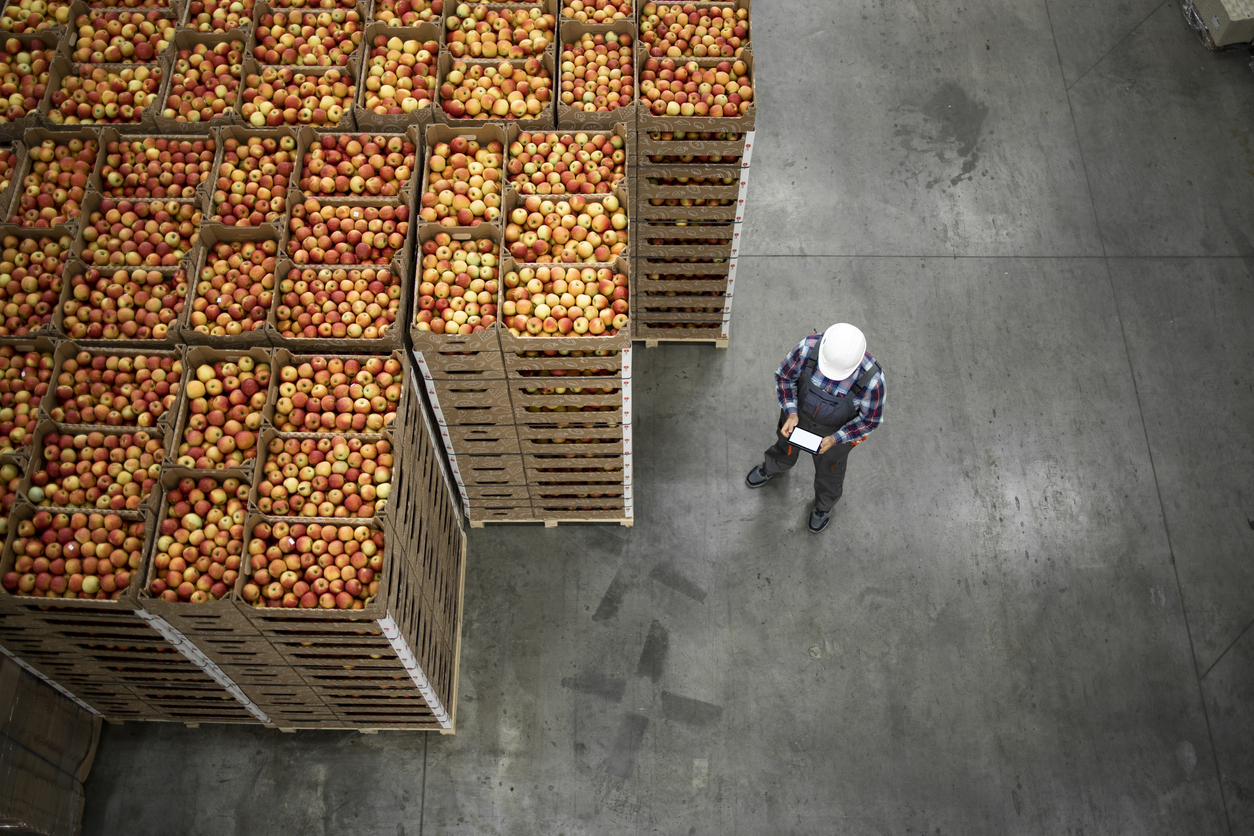
- Track shipments in real time
- Diversify sourcing and distribution channels
Working with experienced trade partners like Wigmore Trading can help ensure secure sourcing, compliant shipping, and efficient distribution across challenging markets.
3. Strengthen On-Ground Security Measures
Practical steps include:
- Employing trained security personnel
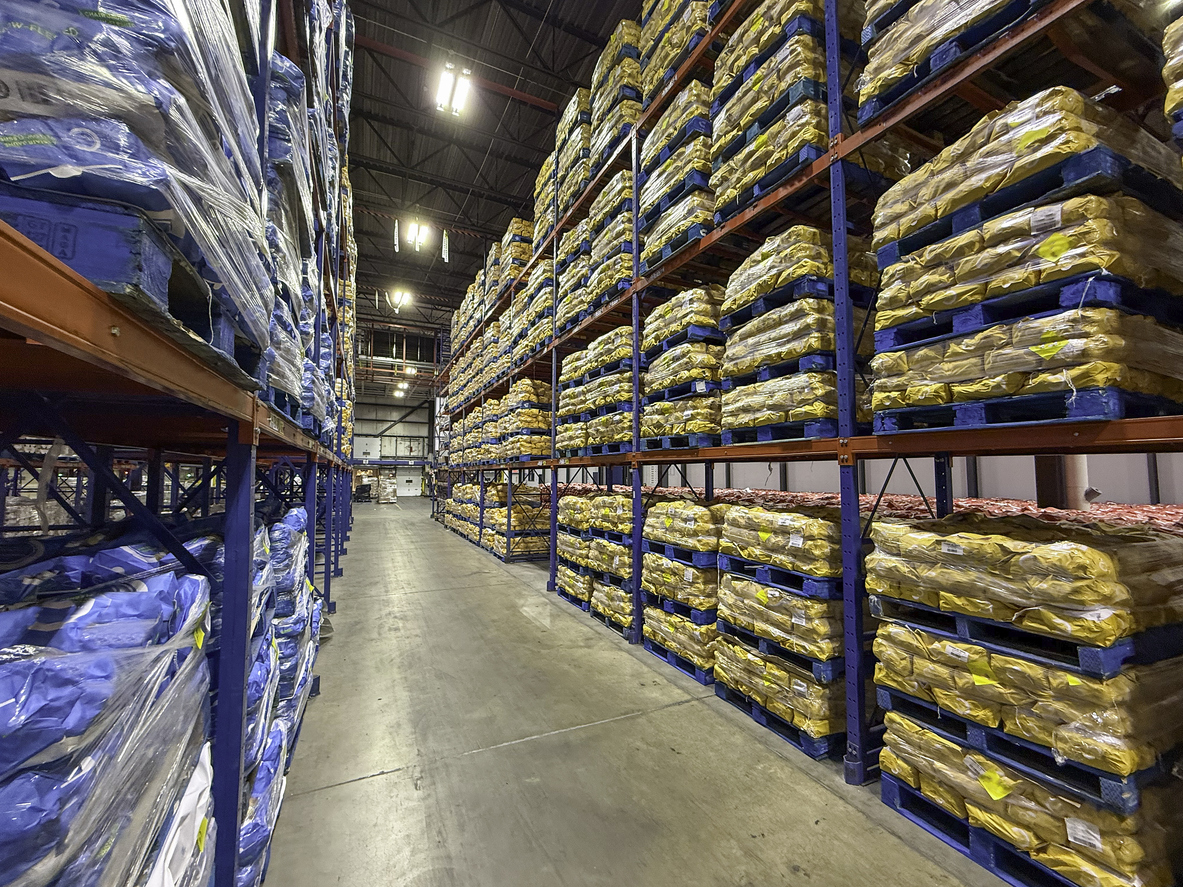
- Securing warehouses and transport hubs
- Establishing emergency response protocols
For businesses without a local presence, partnering with regional experts helps maintain operational continuity.
4. Prioritise Compliance and Legal Oversight
Given the complexity of sanctions and local regulations, companies should:
- Maintain up-to-date compliance frameworks
- Engage legal and risk advisory services
- Conduct continuous monitoring of regulatory changes
This is particularly important for multinational trade and financial transactions.
5. Develop Crisis Management and Contingency Plans
Businesses should prepare for sudden disruptions by:
- Creating incident response plans
- Establishing communication protocols
- Planning alternative logistics routes
A proactive approach ensures faster recovery from unexpected events.
The Role of Strategic Trade Partners
Navigating corporate security in Venezuela requires more than internal controls—it demands strong partnerships.
Wigmore Trading supports businesses by providing:
- Reliable sourcing and supplier verification
- Secure logistics and distribution solutions
- Expertise in compliance and cross-border trade
- Supply chain risk management tailored to emerging markets
This integrated approach helps businesses operate more safely and efficiently in high-risk environments.
Conclusion
Corporate security in Venezuela is shaped by a combination of political uncertainty, physical risks, and regulatory complexity. However, with the right strategies—enhanced due diligence, secure logistics, and strong compliance frameworks—businesses can manage these challenges effectively.
Companies that invest in robust risk management and partner with experienced trade specialists are better positioned to operate successfully in this evolving market.
Wigmore Trading can help. Contact Wigmore Trading today to streamline your sourcing and strengthen your supply chain security.

Comments are closed.