
Cross-Border Logistics Platforms for Faster, Smarter Global Trade

Understanding Cross-Border Logistics Platforms
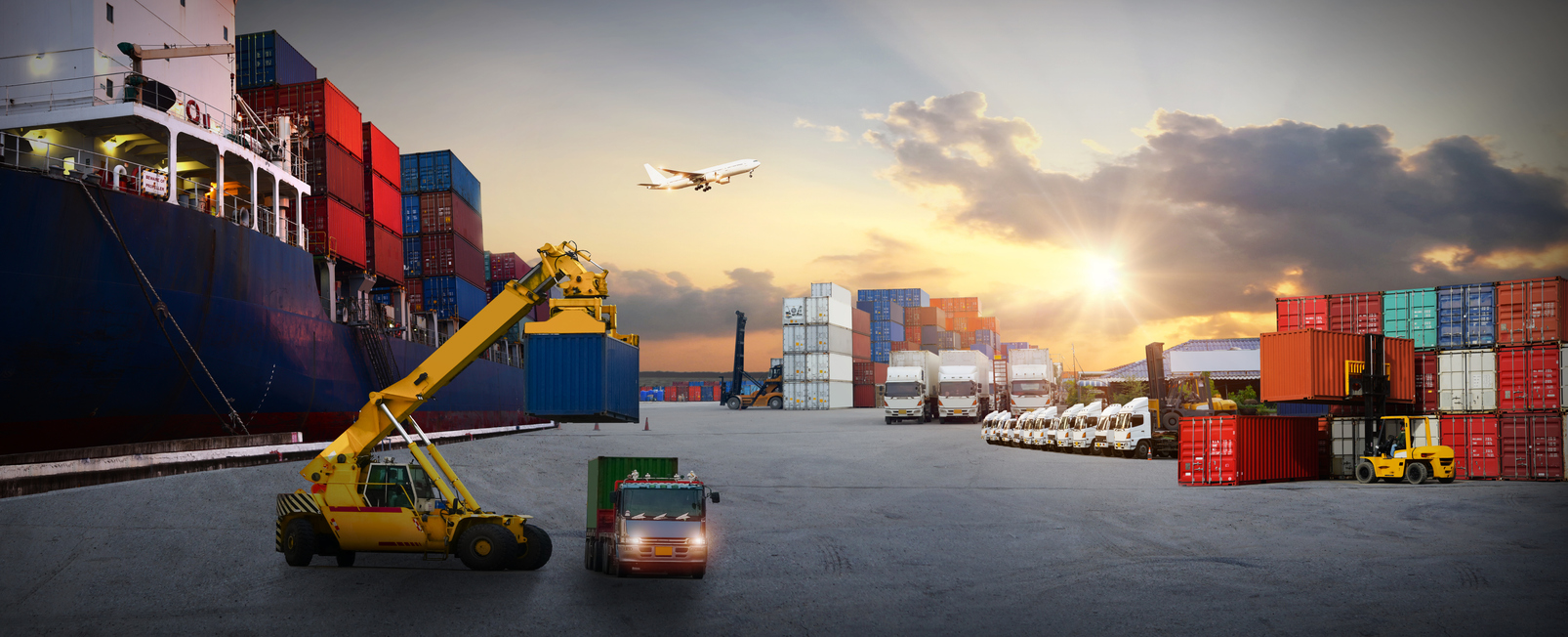
Cross-border logistics platforms are digital systems that coordinate international shipping, customs clearance, warehousing, and last-mile delivery across multiple countries. For importers, exporters, FMCG distributors, and African trade businesses, these platforms reduce complexity by centralizing logistics data, partners, and workflows in one place.
As global trade volumes increase and supply chains stretch across continents, relying on fragmented freight forwarders or manual coordination often leads to delays, higher costs, and compliance risks. Cross-border logistics platforms solve these challenges by improving visibility, automation, and coordination across borders.
Why Cross-Border Logistics Platforms Matter for African Trade
Africa’s trade ecosystem presents unique logistics challenges, including infrastructure gaps, varying customs regulations, port congestion, and inconsistent documentation standards. Cross-border logistics platforms help businesses overcome these barriers by:
-
Providing real-time shipment tracking across multiple countries
-
Integrating customs documentation and compliance workflows
-
Connecting local transporters with international freight networks
-
Reducing border delays and demurrage costs
For companies sourcing goods into or out of Africa, platforms alone are not enough. Success depends on pairing technology with experienced local partners. This is where Wigmore Trading can help by combining platform-driven logistics with on-the-ground expertise across African markets.
Key Features of Modern Cross-Border Logistics Platforms
Digital Freight Management
Cross-border logistics platforms allow businesses to compare freight rates, book shipments, and manage carriers digitally. This reduces reliance on email chains and manual quotations while improving cost transparency.
Customs and Trade Compliance Integration
Customs clearance is one of the biggest bottlenecks in cross-border trade. Leading platforms integrate HS code classification, duty calculations, and document submission to reduce errors and clearance delays.
Wigmore Trading supports this process by ensuring documentation accuracy and regulatory compliance for shipments moving into and across African countries.
End-to-End Shipment Visibility
Real-time tracking across ports, borders, and inland destinations gives businesses better control over inventory and delivery timelines. This is especially important for FMCG, food products, and time-sensitive goods.
Multi-Modal Logistics Coordination
Cross-border logistics platforms often manage sea freight, air freight, road transport, and warehousing in a single system. This allows businesses to optimize routes and reduce transit times.
Wigmore Trading works with trusted logistics partners to ensure seamless multimodal transport, even in challenging trade corridors.
Challenges with Cross-Border Logistics Platforms
While these platforms offer significant benefits, businesses often face challenges such as:
-
Limited coverage in emerging African markets
-
Inaccurate local delivery data
-
Poor coordination with last-mile transport providers
-
Lack of human support during disruptions
Technology alone cannot resolve port delays, customs inspections, or infrastructure constraints. Practical, local problem-solving is essential.
Wigmore Trading bridges this gap by acting as a logistics and trade partner, not just a service provider. Our team supports platform-driven logistics with real-world execution and contingency planning.
How Wigmore Trading Enhances Cross-Border Logistics Platforms
Wigmore Trading works with businesses that use cross-border logistics platforms to ensure their shipments move efficiently from origin to destination. Our services include:
-
Freight forwarding and shipment coordination
-
Customs clearance support across African borders
-
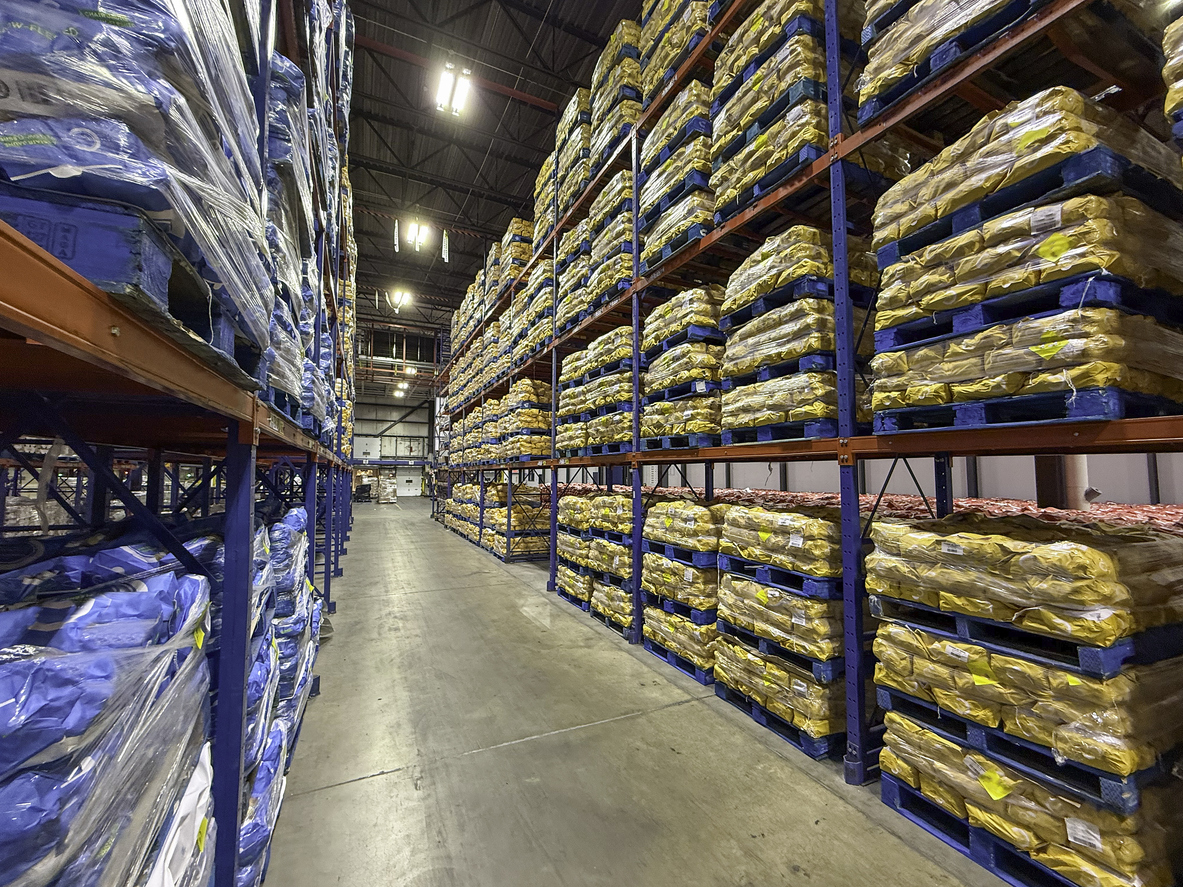
Warehousing and distribution solutions
-
Trade documentation and regulatory guidance
-
Supplier sourcing and buyer consolidation
By integrating our services with cross-border logistics platforms, businesses gain both digital efficiency and operational reliability.
Whether you are importing FMCG goods into West Africa or exporting raw materials from Africa to global markets, Wigmore Trading can help streamline your logistics strategy.
Choosing the Right Cross-Border Logistics Platform
When selecting a cross-border logistics platform, businesses should consider:
-
Coverage in target African and global markets
-
Integration with customs and trade compliance systems
-
Reliability of last-mile delivery partners
-
Availability of human support and escalation channels
Wigmore Trading advises clients on selecting and optimizing logistics platforms that align with their trade volumes, product categories, and risk profiles.
The Future of Cross-Border Logistics Platforms
Cross-border logistics platforms will continue to evolve with greater automation, AI-driven route optimization, and improved customs digitization. However, human expertise will remain critical—especially in emerging markets where regulatory and operational conditions change rapidly.
Businesses that combine advanced logistics platforms with experienced trade partners will be best positioned to scale efficiently and reduce risk.
Get in touch with our team to learn more about how Wigmore Trading can help you maximize the value of cross-border logistics platforms for your business.




Comments are closed.