
Debate on Global Warming: Impact on Trade

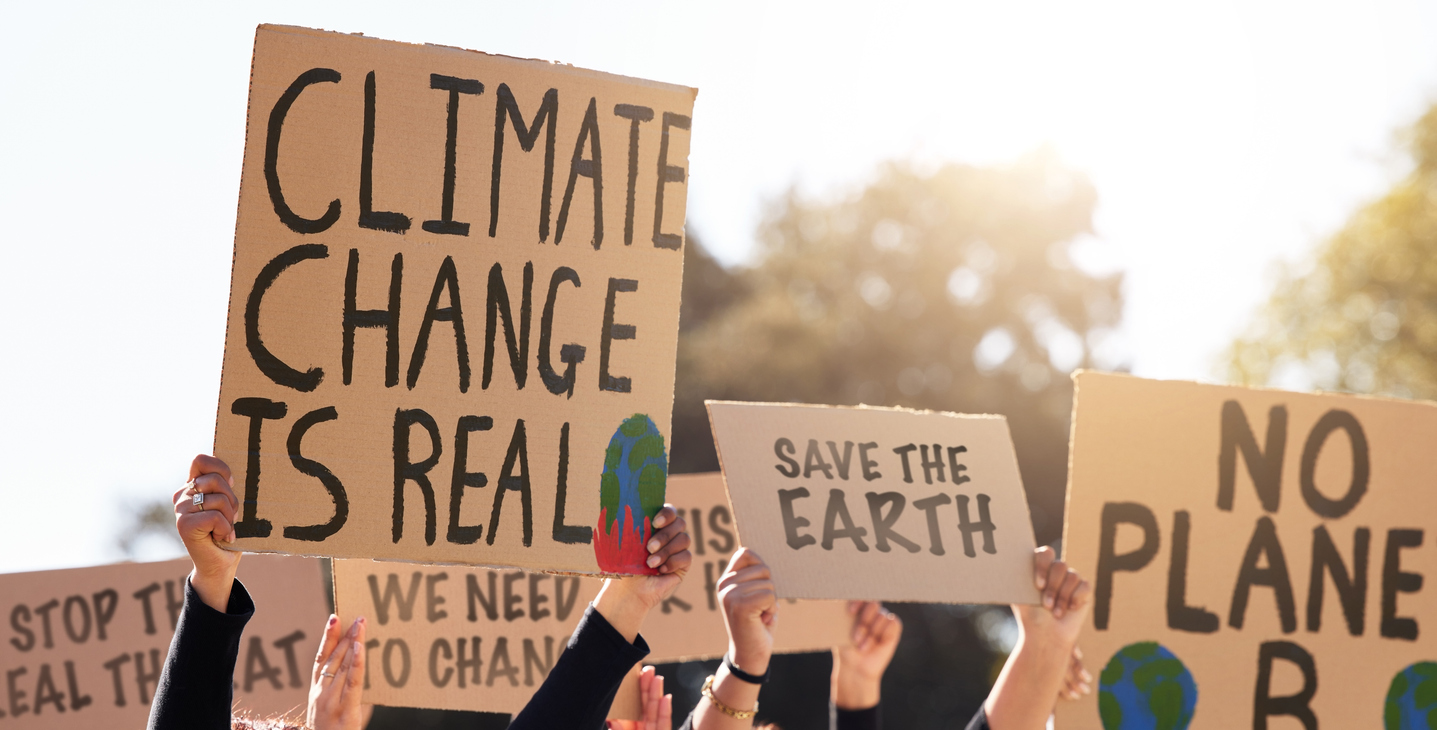
Global warming is no longer just a topic for scientists and politicians. The ongoing debate on global warming now shapes regulations, consumer preferences, shipping costs, and investment decisions worldwide. For importers, wholesalers, and distributors—especially those trading with and within Africa—understanding this debate is essential for long-term planning and risk management.
Wigmore Trading works with businesses across Africa and beyond, and we see first-hand how the conversation around climate risk and sustainability is influencing trade flows, product sourcing, and logistics strategies.
What Is the Debate on Global Warming Really About?
At its core, the debate on global warming has two main dimensions:
-
Scientific debate – How fast is the planet warming, and how much is driven by human activity?
-
Policy and economic debate – What should governments and businesses do about it, and at what cost?
While the scientific community broadly agrees that human-driven greenhouse gas emissions are warming the planet, the economic and policy response is far from settled. Businesses are caught in the middle—having to plan for regulatory change, reputational risk, and physical climate impacts, even as policies continue to evolve.
For companies moving goods between regions such as Europe, the Middle East, and Africa, this uncertainty can affect everything from compliance paperwork to insurance premiums and shipping routes.
How Global Warming Affects Supply Chains and Trade
Regardless of where someone stands in the debate on global warming, the commercial impacts are already visible. Key areas include:
-
Extreme weather risk – Floods, droughts, storms, and heatwaves disrupt farming, manufacturing, warehousing, and transport infrastructure. This can lead to stock shortages, delivery delays, and higher costs.
-
Regulatory pressure – Carbon taxes, emissions reporting rules, and climate-related disclosure requirements are becoming more common—especially in export markets like the EU and UK.
-
Rising operating costs – Higher energy prices, changes in fuel standards, and the need for more resilient logistics networks all influence the final landed cost of goods.
-
Changing consumer preferences – Retailers and end customers increasingly favour suppliers who can demonstrate lower environmental impact or credible sustainability policies.
Wigmore Trading understands that African businesses and global importers cannot simply switch off existing supply chains. Instead, they need practical strategies to stay competitive while meeting evolving climate and sustainability expectations.
The Policy Debate: Risk or Opportunity for African Trade?
The policy side of the debate on global warming has serious implications for developing economies. On one hand, stricter climate regulations in developed markets can feel like an additional barrier for exporters. On the other, there are new opportunities for countries and businesses that adapt early.
For African and UK-based traders, this may include:
-
Carbon-related border measures – Some markets are experimenting with carbon border adjustments, which effectively place a carbon price on imported goods.
-
Sustainability-linked finance – Investors and lenders increasingly favour companies that can show lower environmental risk and stronger sustainability governance.
-
Support for greener infrastructure – International funding is flowing into ports, renewable energy, storage facilities, and transport networks, particularly where they can support low-carbon trade.
Businesses that track these trends and align their sourcing and distribution plans accordingly may be better placed to secure financing, win contracts, and build long-term partnerships. Wigmore Trading can help clients monitor regulatory changes and adapt their sourcing and logistics strategies in response.
Practical Steps Businesses Can Take Now
Even though the global warming debate is complex, there are straightforward actions that importers, wholesalers, and distributors can take today:
-
Map climate and logistics risks
Identify key routes, ports, and suppliers exposed to flooding, drought, or political instability linked to climate stress. -
Diversify sourcing locations
Relying on a single source country for key commodities or FMCG products increases vulnerability. Wigmore Trading works with a network of suppliers across multiple regions to reduce this risk. -
Optimise shipping and warehousing
Efficient consolidation of cargo, smarter route planning, and better inventory positioning all help cut waste, emissions, and cost. Wigmore Trading can help streamline these processes. -
Engage with sustainability requirements
Many retailers and corporate buyers now ask for basic environmental information—packaging details, product origin, transport mode, and more. Keeping this data organised improves your credibility and shortens sales cycles. -
Build resilience into contracts
Including clauses covering delays, force majeure, and cost adjustments related to logistics disruption can help protect margins.
How Wigmore Trading Supports Climate-Smart Trade
Wigmore Trading is not a climate think tank—we are a trading and logistics partner focused on practical solutions. But because we operate daily in global supply chains, we help clients respond to the real-world impacts of the debate on global warming.
We support businesses by:
-
Sourcing smarter – Identifying alternative suppliers and products when climate-related events or regulations affect availability or pricing.
-
Improving logistics efficiency – Consolidating shipments, matching the right freight options to customer needs, and reducing unnecessary mileage and handling.
-
Navigating regulatory change – Helping clients understand documentation, quality standards, and environmental compliance requirements for key destination markets.
-
Supporting African growth – Connecting African producers with regional and global buyers, and helping importers access the African market with reliable distribution and warehousing.
If you want your business to stay competitive as climate and sustainability expectations tighten, a flexible and experienced trading partner can make a real difference. Wigmore Trading can help.
Preparing Your Business for the Future
The debate on global warming will continue, but for businesses, the key question is simple: How do we remain resilient, compliant, and profitable in a more uncertain climate?
By treating climate and sustainability as practical risk factors—not just political talking points—importers, wholesalers, and distributors can protect their supply chains and uncover new opportunities.
Whether you need help diversifying sourcing, reducing logistics risk, or understanding how climate-linked regulations could affect your trade flows, Wigmore Trading is ready to support you.
Contact Wigmore Trading today to streamline your sourcing and strengthen your supply chain for the future.






Comments are closed.