
Digital Supply Chain Tracking Solutions for Smarter Global Trade

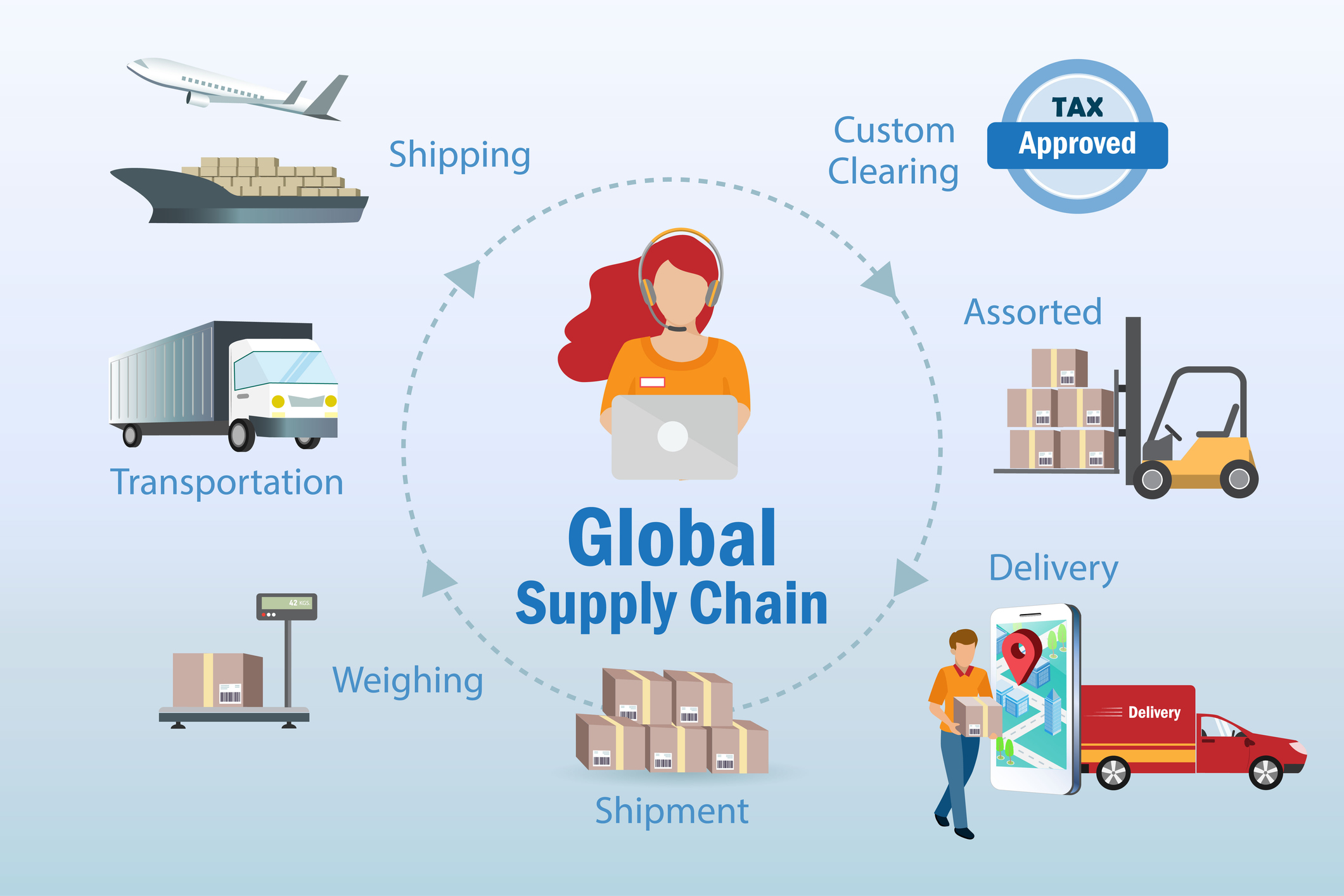
Digital supply chain tracking is no longer a “nice to have” – it’s now a core requirement for importers, wholesalers and distributors who need visibility across borders, ports, warehouses and last-mile delivery.
For African and global businesses moving fast-moving consumer goods (FMCG), foodstuffs or industrial products, knowing where your goods are, their condition, and their ETA can be the difference between profit and loss.
Wigmore Trading works with clients across Africa and beyond to streamline sourcing, logistics and distribution – and digital tracking is a powerful part of that toolkit.
What is digital supply chain tracking?
Digital supply chain tracking uses technology to monitor products, shipments and inventory in real time (or near real time) as they move from supplier to end customer.
This typically combines:
-
Barcode and QR codes
-
RFID tags
-
GPS tracking devices on trucks or containers
-
Warehouse management systems (WMS)
-
Transport management systems (TMS)
-
Cloud dashboards and mobile apps
When these tools are integrated properly, managers can open a single screen and see what stock is in transit, what is at the port, what is in the warehouse, and what is ready for delivery.
Wigmore Trading leverages these digital tracking capabilities through its logistics partners and internal systems to give customers better visibility over their orders and inventory positions.
Why digital supply chain tracking matters for African trade
For businesses importing into or exporting from African markets, supply chain risk is higher than in many developed regions. Factors like port congestion, customs delays, infrastructure gaps and regulatory changes are common.
Digital supply chain tracking helps reduce these risks in several ways:
-
Predictable lead times: Real-time tracking of containers and trucks helps you update lead times and adjust production or sales plans.
-
Reduced losses and theft: Tracking and digital proof-of-delivery makes it easier to investigate discrepancies along the route.
-
Better cash flow planning: Accurate ETAs help finance and procurement teams plan payments, stock levels and sales campaigns.
-
Improved customer service: Your customers want accurate answers to “Where is my order?”. Digital tracking provides that.
As a trading and distribution partner, Wigmore Trading can integrate digital milestones – booking, dispatch, arrival at port, customs clearance and final delivery – into reporting that your team can rely on.
Key components of an effective digital supply chain tracking system
To get full value from digital supply chain tracking, you need more than a GPS pin on a map. An effective setup typically includes:
1. End-to-end data capture
Each movement – from supplier’s warehouse to vessel loading, from port to inland warehouse – should generate digital events. This may include:
-
Scanning at loading and offloading points
-
EDI messages from shipping lines or airlines
-
Gate-in/gate-out events at ports and terminals
-
POD (proof of delivery) captured digitally
Wigmore Trading works with partners that provide these event updates and consolidates them into practical, business-friendly reporting.
2. Real-time or near real-time visibility dashboards
Digital supply chain tracking is most powerful when users have a clear dashboard showing:
-
Current shipment status
-
Exception alerts (delays, route deviations, documentation issues)
-
Inventory across multiple warehouses
-
Historical performance (OTIF – on time, in full)
This allows operations and commercial teams to focus on exceptions rather than manually chasing every shipment. Wigmore Trading can liaise with your team to ensure the right tracking data points are surfaced for decision-makers.
3. Integration with inventory and sales planning
Supply chain tracking data becomes even more valuable when linked with:
-
ERP systems
-
Inventory planning tools
-
Order management systems
For example, if a shipment of consumer goods clears the port earlier than planned, stock can be allocated immediately to priority customers. If a delay occurs, sales and marketing can adjust campaigns or pricing.
By coordinating logistics with demand in this way, Wigmore Trading helps clients avoid both stock-outs and excess inventory.
Practical benefits: from cost savings to better compliance
Digital supply chain tracking delivers concrete, measurable benefits when implemented correctly. Some of the most important for importers and distributors include:
-
Lower safety stock: With better visibility and more predictable arrivals, businesses can carry less buffer stock while still meeting service levels.
-
Fewer urgent shipments: When you spot delays early, you can often reroute or replan rather than paying for last-minute air freight.
-
Improved compliance and documentation: Digital records of movement, temperature logs (for perishables), and timestamps support regulatory and audit requirements.
-
Supplier and carrier performance management: Historical tracking data shows which routes, partners and lanes are consistently late or problematic.
Wigmore Trading uses these insights to advise clients on better sourcing and routing strategies, not just on a single shipment, but across their entire supply chain.
How Wigmore Trading supports digital supply chain tracking
Wigmore Trading combines on-the-ground logistics experience with access to digital tracking tools to help clients manage complex trade flows, especially into and within African markets.
Our support can include:
-
Coordinating with shipping lines, freight forwarders and trucking partners that provide reliable digital tracking feeds
-
Sharing milestone updates for critical shipments via structured reports or agreed communication channels
-
Advising on realistic lead times and inventory strategies based on real tracking data
-
Helping clients consolidate suppliers and routes to simplify monitoring and control
If your supply chain currently relies on manual updates, WhatsApp messages or scattered spreadsheets, partnering with Wigmore Trading can move you towards a more predictable, data-driven model.
Wigmore Trading can help assess where digital supply chain tracking will produce the fastest, most meaningful improvements – whether that is monitoring high-value shipments, improving OTIF to key retailers, or stabilising stock levels across multiple markets.
Getting started with digital supply chain tracking
You don’t need a complete technology overhaul to begin. Many businesses start by:
-
Mapping key flows – Identify your most critical lanes and customers.
-
Prioritising high-impact shipments – Start tracking the lanes where delays hurt you most.
-
Working with an experienced partner – Use a trading and logistics partner like Wigmore Trading that already has relationships, processes and systems in place.
-
Building internal habits – Train teams to act on tracking information, not just receive it.
Digital supply chain tracking is ultimately about better decisions: what to ship, when, where and how. With the right partner, you can modernise your operations step by step – without disrupting your existing business.
Contact Wigmore Trading today to streamline your sourcing, improve visibility and reduce risk across your supply chain.






Comments are closed.