
Doing Business Across Borders? A Guide to Cross-Border Enforcement in Nigeria

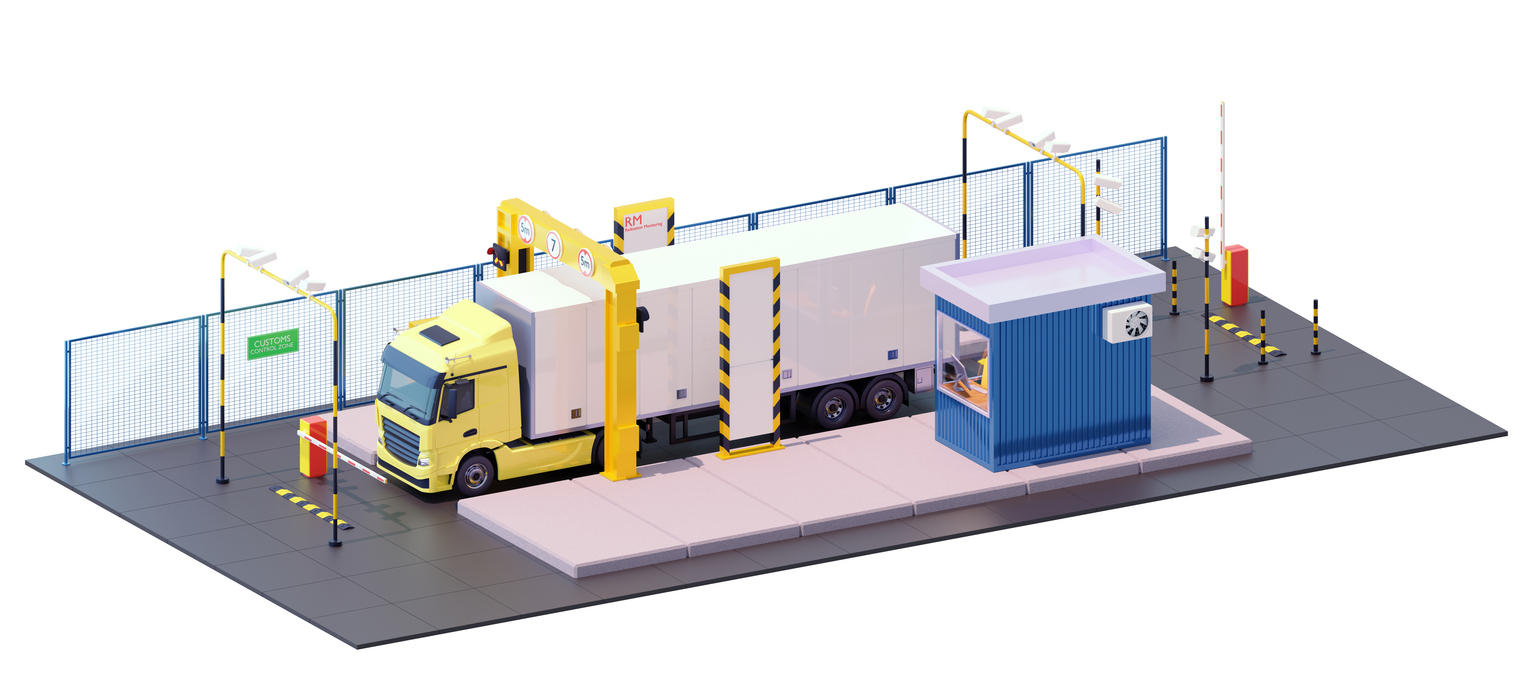
Cross-border enforcement in Nigeria plays a critical role in international trade, investment protection, debt recovery, and contract enforcement. As Nigeria continues to expand its trade relationships across Africa and globally, businesses engaged in import, export, wholesale distribution, FMCG, and logistics must understand how foreign judgments, arbitral awards, and regulatory actions are recognized and enforced within the country.
For companies operating across multiple jurisdictions, effective cross-border enforcement mechanisms provide legal certainty and reduce commercial risk. Without clear enforcement pathways, recovering debts, resolving disputes, or protecting contractual rights becomes significantly more complex.
This article examines the legal framework governing cross-border enforcement in Nigeria, common challenges businesses face, and how structured trade and compliance strategies can mitigate risk.
Legal Framework Governing Cross-Border Enforcement in Nigeria
Cross-border enforcement in Nigeria is primarily governed by statutory law and international conventions. The key instruments include:
-
The Reciprocal Enforcement of Judgments Ordinance
-
The Foreign Judgments (Reciprocal Enforcement) Act
-
The Arbitration and Mediation Act (2023)
-
The New York Convention on the Recognition and Enforcement of Foreign Arbitral Awards
Enforcement of Foreign Judgments
Nigeria allows the registration and enforcement of foreign court judgments from countries that grant reciprocal treatment to Nigerian judgments. Once registered in a Nigerian High Court, a foreign judgment can be enforced as if it were delivered locally.
However, enforcement is subject to conditions such as:
-
The foreign court having proper jurisdiction
-
The judgment being final and conclusive
-
The absence of fraud
-
No conflict with Nigerian public policy
Businesses involved in international supply agreements, distribution contracts, or cross-border financing must ensure their contracts anticipate enforceability in Nigeria.
Enforcement of Arbitral Awards
Arbitration is widely preferred in international trade due to its enforceability. Nigeria’s adoption of the New York Convention strengthens cross-border enforcement in Nigeria by allowing foreign arbitral awards to be recognized and enforced through Nigerian courts.
For exporters, distributors, and logistics providers operating across West Africa, arbitration clauses provide an added layer of security in cross-border transactions.
Cross-Border Enforcement in Nigeria and International Trade
Cross-border enforcement in Nigeria directly impacts:
-
Import/export contracts
-
Cross-border distribution agreements
-
Trade finance arrangements
-
Joint ventures and agency relationships
-
Debt recovery in international transactions
In sectors such as FMCG and bulk commodity trading, delayed payments or contractual breaches can have significant cash flow implications. The ability to enforce contractual rights across jurisdictions is therefore a key risk management tool.
For example, a foreign supplier exporting goods into Nigeria must ensure that:
-
Payment terms are legally enforceable
-
Dispute resolution clauses are valid under Nigerian law
-
Governing law provisions align with enforceability rules
Properly structured contracts reduce the risk of protracted litigation and regulatory complications.
Common Challenges in Cross-Border Enforcement in Nigeria
While Nigeria has established legal mechanisms, businesses often encounter practical challenges.
Jurisdictional Complexities
Determining whether a foreign court had proper jurisdiction can become contentious. If jurisdiction is successfully challenged, enforcement may be refused.
Public Policy Considerations
Nigerian courts may decline enforcement if the judgment or award conflicts with local public policy, regulatory standards, or statutory requirements.
Procedural Delays
Court backlogs and procedural formalities can extend enforcement timelines, particularly in commercial disputes involving large claims.
Regulatory Compliance Risks
In import/export and wholesale distribution, enforcement disputes may intersect with customs compliance, product standards, foreign exchange regulations, or tax matters. Non-compliance in these areas can complicate recovery efforts.
Risk Mitigation Strategies for Cross-Border Enforcement in Nigeria
To reduce exposure, businesses engaged in African trade should implement structured legal and operational safeguards.
Draft Robust Contracts
Contracts should clearly define:
-
Governing law
-
Jurisdiction or arbitration clauses
-
Payment terms and security mechanisms
-
Force majeure provisions
Arbitration is often preferable for cross-border commercial contracts due to enforceability under the New York Convention.
Conduct Due Diligence
Before entering distribution or supply agreements in Nigeria, verify:
-
Counterparty registration and legal status
-
Regulatory compliance standing
-
Financial reliability
Secure Trade Transactions
Risk mitigation tools may include:
-
Letters of credit
-
Bank guarantees
-
Escrow arrangements
-
Structured payment milestones
Align Legal Strategy with Logistics Planning
Cross-border enforcement issues often arise from delayed shipments, customs disputes, or supply chain disruptions. Coordinating legal protections with logistics strategy helps minimize operational and financial exposure.
The Role of Structured Trade Support in Cross-Border Transactions
For companies entering or expanding in Nigeria, navigating legal, regulatory, and logistics requirements simultaneously can be complex. A structured supply chain partner can help reduce enforcement-related risk by ensuring:
-
Proper documentation and contract structuring
-
Regulatory compliance with Nigerian authorities
-
Transparent import/export procedures
-
Efficient customs clearance
-
Reliable distribution networks
Wigmore Trading supports international businesses by managing sourcing, logistics coordination, compliance processes, and wholesale distribution across Nigeria and West Africa. By ensuring that trade operations are compliant and professionally structured from the outset, companies can significantly reduce the likelihood of enforcement disputes.
Why Cross-Border Enforcement in Nigeria Matters for African Trade Growth
As Nigeria plays a leading role in AfCFTA implementation and regional commerce, predictable cross-border enforcement in Nigeria strengthens investor confidence and trade expansion.
Clear enforcement pathways:
-
Reduce transaction risk
-
Support cross-border investment
-
Encourage long-term supply agreements
-
Enhance financial stability in trade relationships
Businesses that proactively structure contracts, logistics, and compliance processes are better positioned to operate successfully within Nigeria’s dynamic commercial environment.
Conclusion
Cross-border enforcement in Nigeria is a foundational element of secure international trade. Whether enforcing foreign judgments, arbitral awards, or contractual rights, businesses must understand the legal framework, anticipate jurisdictional risks, and align their operational strategy accordingly.
Through robust contracts, regulatory compliance, and structured trade processes, companies can mitigate cross-border risk and protect commercial interests in Nigeria’s growing market.
Wigmore Trading can help. Contact Wigmore Trading today to streamline your sourcing.




Comments are closed.