
EXW Tracking Explained: How to Monitor EX Works Shipments

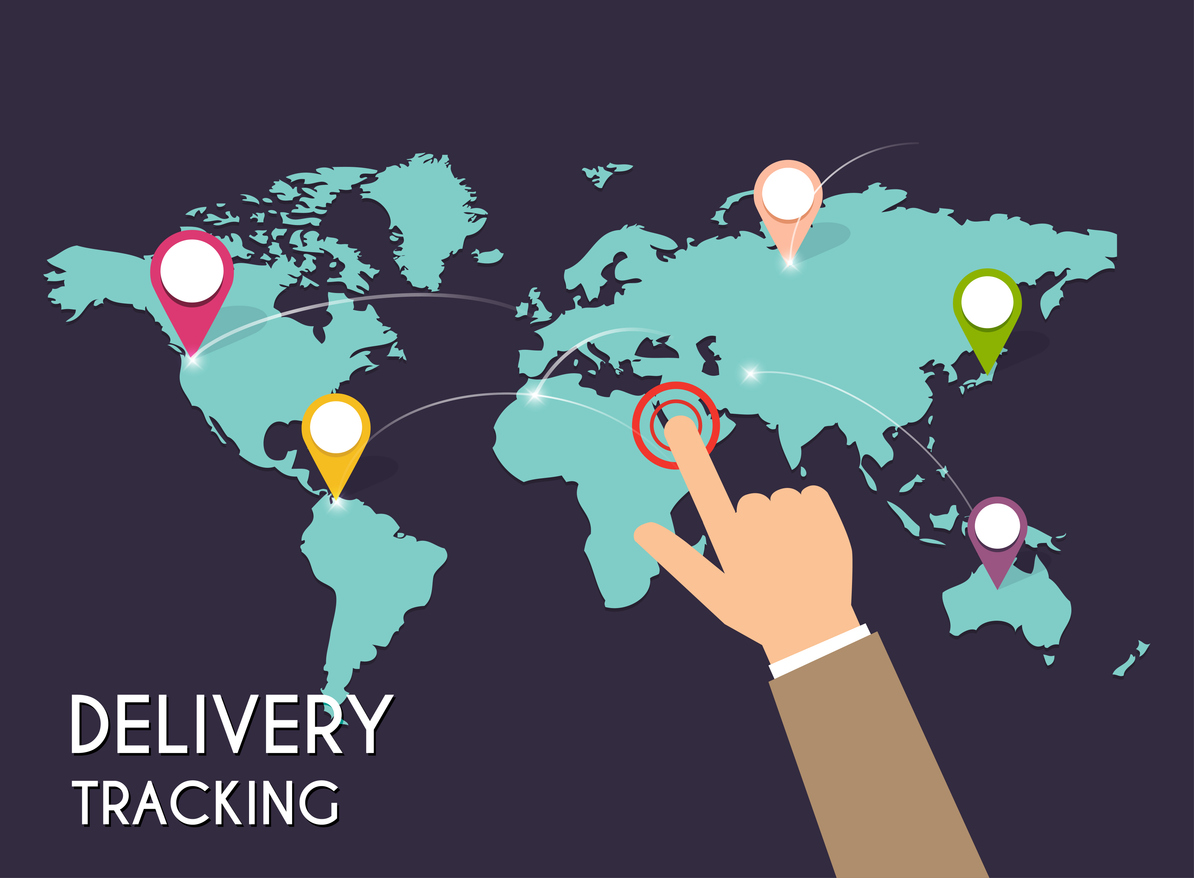
Ex Works (EXW) is one of the most commonly used Incoterms in international trade, especially for buyers sourcing goods directly from manufacturers. While EXW offers cost transparency and supplier simplicity, it places significant responsibility on the buyer—particularly when it comes to EXW tracking.
Without proper shipment visibility, EXW transactions can expose importers to delays, hidden costs, and logistical risks. Understanding how EXW tracking works—and how to manage it effectively—is essential for businesses involved in global sourcing and African trade.
Wigmore Trading helps importers and exporters maintain visibility and control across the entire EXW shipping process.
What Is EXW Tracking?
EXW tracking refers to the process of monitoring goods from the moment they are made available at the seller’s premises through pickup, inland transport, export handling, international shipping, and final delivery.
Under EXW Incoterms, the seller’s obligation ends when goods are ready for collection. From that point forward, the buyer is responsible for:
-
Cargo pickup coordination
-
Inland transportation
-
Export customs clearance
-
Freight forwarding
-
Insurance and risk management
This makes real-time tracking and logistics oversight critical.
Why EXW Tracking Is More Complex Than Other Incoterms
Unlike CIF or DDP shipments, EXW places full logistical accountability on the buyer. This creates several challenges:
-
No automatic shipment updates from suppliers
-
Limited visibility during inland transport
-
Greater exposure to export documentation errors
-
Higher risk of delays at origin
Without structured EXW tracking, businesses may struggle to identify where delays occur or who is responsible for resolving them.
Wigmore Trading supports buyers by coordinating origin-side logistics and providing consistent shipment updates.
Key Stages of EXW Tracking
Effective EXW tracking requires monitoring each stage of the supply chain.
1. Pickup from Supplier
The first tracking milestone is confirming when goods are collected from the manufacturer or warehouse. Delays often occur here due to miscommunication or vehicle availability.
Tracking solution:
Use a logistics partner that confirms pickup times, vehicle details, and loading completion.
2. Inland Transportation
Once collected, goods must be transported to the port or airport. This stage is often the least visible, yet most prone to delays.
Tracking solution:
GPS-enabled transport monitoring and verified driver check-ins improve transparency.
3. Export Customs Clearance
EXW buyers are responsible for export documentation and customs filing. Missing or incorrect paperwork can halt shipments.
Tracking solution:
Working with a knowledgeable export agent ensures documents are prepared and cleared on time.
4. International Freight Movement
Once the cargo is loaded, tracking continues through ocean or air freight using container numbers, airway bills, or booking references.
Tracking solution:
Freight tracking platforms and shipping line integrations provide milestone updates.
5. Arrival and Final Delivery
Tracking does not end at arrival. Delays at destination ports, inspections, or inland delivery can affect supply chains.
Tracking solution:
End-to-end shipment visibility ensures smooth handover and final-mile coordination.
Wigmore Trading helps manage these stages seamlessly for EXW shipments across Africa and global trade routes.
Common EXW Tracking Problems and How to Solve Them
Poor Visibility at Origin
Many suppliers do not provide proactive updates once goods are ready.
Solution:
Use a third-party logistics coordinator like Wigmore Trading to manage origin-side communication.
Delayed Export Clearance
EXW buyers unfamiliar with local export rules face delays.
Solution:
Partner with export specialists who understand country-specific customs requirements.
Multiple Tracking Systems
Different carriers and transport providers often use separate platforms.
Solution:
Centralize tracking through a single logistics partner that consolidates shipment data.
Increased Risk Exposure
Buyers assume risk from pickup onward, often without adequate insurance.
Solution:
Ensure cargo insurance coverage begins at pickup and is properly documented.
How Wigmore Trading Supports EXW Tracking
Wigmore Trading provides practical solutions for businesses using EXW shipping terms:
-
Origin-side logistics coordination
-
Verified cargo pickup and handling
-
Export documentation and compliance support
-
Freight forwarding and tracking integration
-
End-to-end shipment visibility
Rather than leaving buyers to manage fragmented logistics providers, Wigmore Trading acts as a single point of coordination—reducing risk and improving tracking accuracy.
This approach is especially valuable for companies importing from or exporting to African markets, where logistics complexity can vary by country.
When EXW Tracking Makes Sense for Your Business
EXW shipping can be effective if:
-
You have strong logistics capabilities
-
You want greater cost control
-
You source directly from manufacturers
-
You work with experienced trade partners
However, without proper tracking and coordination, EXW can quickly become inefficient. This is why many businesses rely on partners like Wigmore Trading to manage visibility and execution.
Final Thoughts
EXW tracking is not optional—it is essential for maintaining control, reducing risk, and ensuring predictable delivery timelines. With the buyer responsible for every logistics stage, visibility gaps can quickly turn into costly delays.
Wigmore Trading can help streamline EXW tracking by providing coordinated logistics support, transparent shipment updates, and expert trade knowledge.
Contact Wigmore Trading today to streamline your sourcing and shipment tracking.





Comments are closed.