
Farm Produce Distribution in Nigeria: Building Efficient Supply Chains


Nigeria’s agricultural sector is one of the largest in Africa, yet the movement of produce from farms to markets remains a complex process. Effective farm produce distribution in Nigeria is essential for reducing post-harvest losses, stabilising prices, and ensuring that food reaches consumers in optimal condition.
For businesses involved in FMCG, wholesale, retail, or export, understanding how distribution works—and how to improve it—is critical to long-term success.
Understanding Farm Produce Distribution in Nigeria
Farm produce distribution refers to the processes involved in moving agricultural goods from producers to end-users. This includes:
- Aggregation from farms
- Storage and preservation
- Transportation
- Wholesale and retail distribution
In Nigeria, this system is largely informal, with multiple intermediaries operating between farmers and final buyers. While this creates market access, it can also lead to inefficiencies and inconsistencies.
Key Channels for Farm Produce Distribution in Nigeria
1. Direct Farm-to-Market Distribution
Some farmers transport produce directly to local markets or urban centres. This approach:
- Reduces intermediary costs
- Allows farmers to control pricing
- Can be limited by logistics and scale
2. Aggregators and Middlemen
Aggregators collect produce from multiple farms and supply larger buyers. They:
- Enable bulk distribution
- Provide market access for smallholder farmers
- Often lack structured quality control systems
3. Wholesale Markets
Major markets such as Mile 12 (Lagos), Bodija (Ibadan), and Kano markets act as distribution hubs. These:
- Handle large volumes of produce
- Serve retailers, restaurants, and processors
- Operate with varying levels of standardisation
4. Structured Distribution Companies
These companies offer:
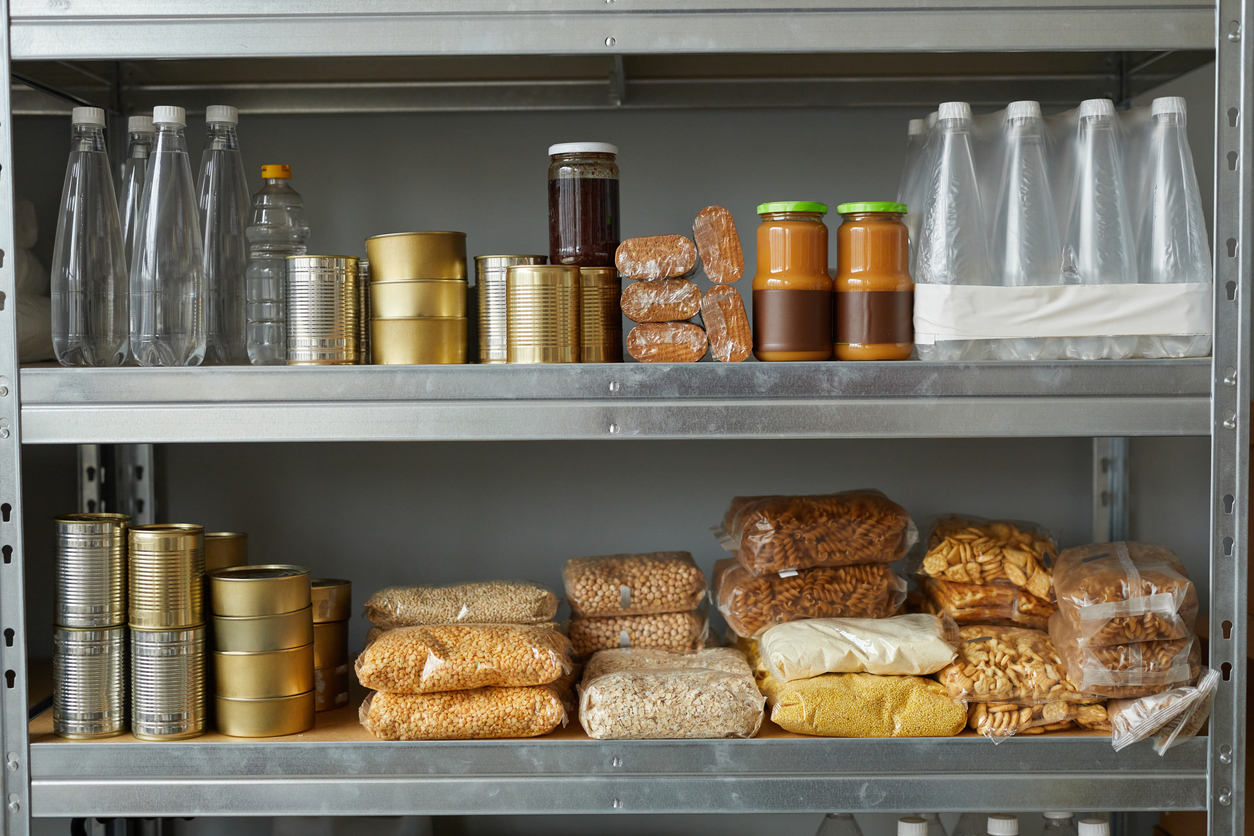
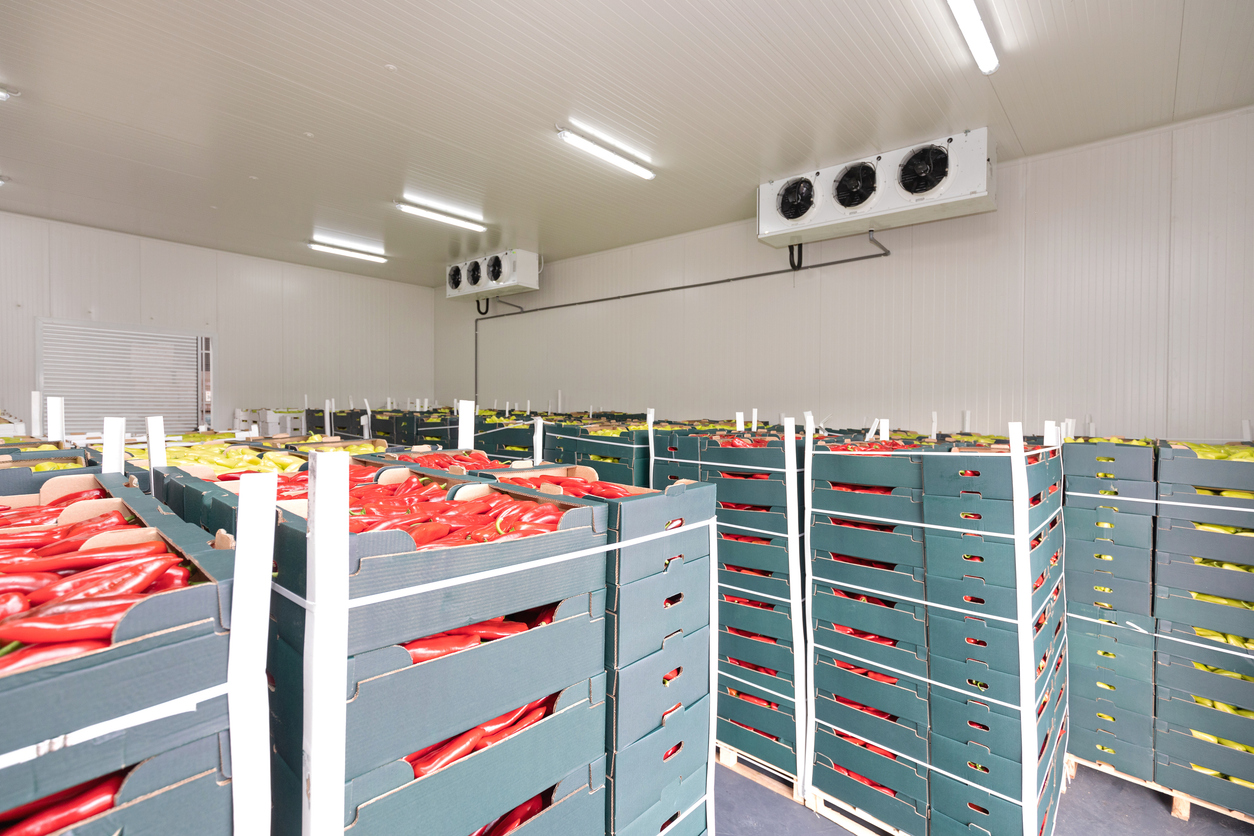
- Warehousing and cold storage
- Logistics and transportation
- Quality grading and packaging
They are increasingly important for businesses requiring consistency and traceability.
Wigmore Trading supports structured distribution by connecting businesses with reliable suppliers and managing logistics from sourcing to delivery.
Challenges in Farm Produce Distribution in Nigeria
Post-Harvest Losses
A significant portion of farm produce is lost due to poor handling, lack of storage, and delays in transportation.
Solution: Investment in cold storage, proper packaging, and efficient logistics systems can reduce waste.
Poor Infrastructure
Road networks and transportation systems can be unreliable, especially in rural areas.
Solution: Centralised distribution hubs and route optimisation help improve delivery timelines.
Lack of Standardisation
Inconsistent grading and packaging make it difficult for businesses to maintain quality standards.
Solution: Implement structured quality control processes and work with distributors who offer sorting and grading services.
Fragmented Supply Chains
Multiple intermediaries can increase costs and reduce transparency.
Solution: Partnering with integrated supply chain providers helps streamline sourcing and distribution.
Wigmore Trading assists businesses in navigating these challenges by offering end-to-end supply chain support, including sourcing, logistics, and compliance.
The Role of Logistics in Farm Produce Distribution in Nigeria
Efficient logistics is central to successful distribution. Key components include:
- Transportation management: Ensuring timely movement of goods
- Cold chain systems: Preserving perishable products
- Inventory control: Reducing overstocking and shortages
- Last-mile delivery: Ensuring produce reaches retailers and consumers efficiently
Businesses that prioritise logistics can significantly improve product quality and reduce losses.
Opportunities for Businesses in Nigeria’s Distribution Sector
The demand for efficient farm produce distribution continues to grow due to:
- Urban population expansion
- Increased demand for fresh and processed foods
- Growth in supermarkets and food service industries
- Export potential for Nigerian agricultural products
Companies that invest in structured distribution systems can benefit from improved margins and customer satisfaction.
How Wigmore Trading Supports Farm Produce Distribution
Navigating Nigeria’s distribution landscape requires expertise and reliable partnerships. Wigmore Trading supports businesses by:
- Sourcing produce from trusted suppliers
- Managing warehousing and logistics
- Ensuring compliance with local and international standards
- Facilitating import/export processes where needed
This integrated approach helps businesses maintain consistency and efficiency across their supply chains.
Conclusion
Effective farm produce distribution in Nigeria is key to unlocking the full potential of the agricultural sector. While challenges such as infrastructure gaps and supply chain fragmentation persist, businesses can overcome these issues through strategic partnerships and improved logistics systems.
By working with experienced partners, companies can ensure reliable sourcing, reduce losses, and improve overall efficiency.
Wigmore Trading can help. Contact Wigmore Trading today to streamline your sourcing.




Comments are closed.