
Find a Trusted Cold Storage Warehouse in Nigeria for Your Business


The demand for reliable cold storage warehouse in Nigeria solutions has grown significantly in recent years. With increasing consumption of perishable goods such as food, pharmaceuticals, and agricultural products, maintaining product quality across the supply chain has become critical. Businesses involved in import/export, wholesale distribution, and FMCG operations require dependable cold chain infrastructure to minimise losses and ensure compliance with safety standards.
This article explores the role of cold storage in Nigeria, key challenges, and how businesses can optimise their logistics with the right partners.
The Importance of Cold Storage in Nigeria’s Supply Chain
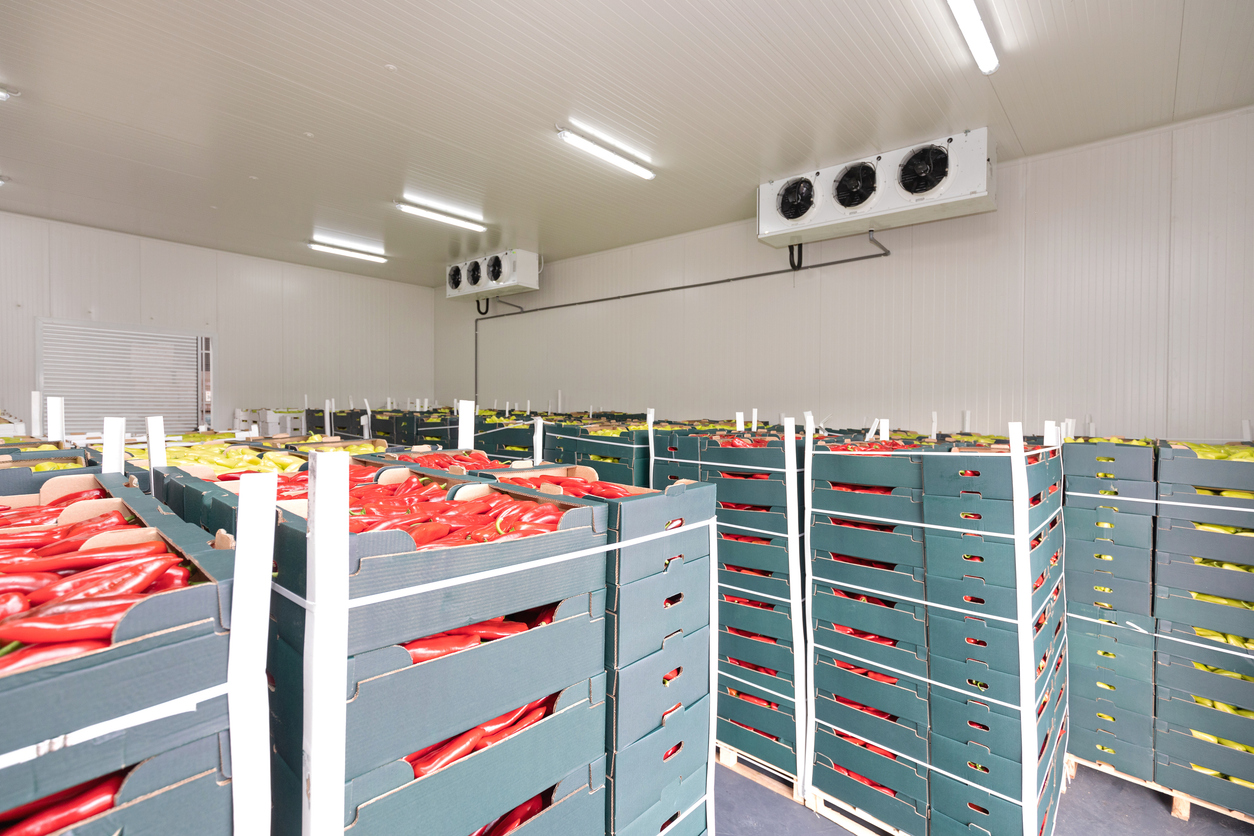
A cold storage warehouse in Nigeria plays a vital role in preserving temperature-sensitive products. These facilities are designed to maintain controlled environments, ensuring goods remain fresh and safe from production to final delivery.
Key sectors relying on cold storage include:
- Agriculture: Fresh produce such as fruits, vegetables, and dairy products
- Pharmaceuticals: Vaccines, medicines, and biological products
- FMCG: Frozen foods, beverages, and processed goods
Without proper storage, businesses face high spoilage rates, financial losses, and potential regulatory issues.
Challenges Facing Cold Storage Warehousing in Nigeria
Despite growing demand, the cold chain sector in Nigeria faces several structural and operational challenges:
1. Inconsistent Power Supply
Cold storage facilities require constant electricity to maintain temperature levels. Power outages can lead to product spoilage if backup systems are insufficient.
2. High Operational Costs
Running refrigerated warehouses involves significant costs, including energy consumption, maintenance, and specialised equipment.
3. Limited Infrastructure
There is still a shortage of modern cold storage facilities across many regions, particularly outside major commercial hubs.
4. Logistics and Distribution Bottlenecks
Transporting goods from ports to warehouses and onward to retailers requires temperature-controlled logistics, which are not always readily available.
How Businesses Can Optimise Cold Storage Solutions
To overcome these challenges, companies must adopt strategic approaches to cold chain management.
Invest in Reliable Partners
Working with experienced logistics and supply chain providers ensures access to well-maintained cold storage facilities and efficient distribution networks.
Implement End-to-End Cold Chain Management
Maintaining consistent temperature control from importation to final delivery reduces risks of spoilage and ensures product quality.
Leverage Technology
Modern cold storage systems use monitoring tools to track temperature, humidity, and inventory in real time, improving operational efficiency.
Plan Inventory Strategically
Proper demand forecasting and inventory management help reduce storage time and operational costs.
The Role of Cold Storage in Import and Export Operations
For businesses engaged in international trade, a dependable cold storage warehouse in Nigeria is essential for handling imported and exported goods.
- Imports: Frozen foods, pharmaceuticals, and specialty products require immediate transfer to cold storage upon arrival at ports.
- Exports: Agricultural exports such as seafood, fruits, and vegetables must be preserved to meet international quality standards.
Efficient cold storage ensures compliance with global regulations, reduces waste, and enhances competitiveness in international markets.
How Wigmore Trading Supports Cold Storage and Logistics
Navigating Nigeria’s cold chain challenges requires expertise in sourcing, logistics, and compliance. Wigmore Trading supports businesses by offering integrated supply chain solutions tailored to temperature-sensitive goods.
These services include:
- Sourcing and Procurement: Identifying reliable suppliers for perishable goods
- Warehousing Solutions: Access to suitable storage facilities, including cold storage where required
- Logistics and Distribution: Coordinating transportation with temperature control considerations
- Regulatory Compliance: Ensuring adherence to import/export and safety standards
By working with an experienced partner, businesses can reduce operational risks and improve efficiency across their supply chains.
Future Outlook for Cold Storage Warehousing in Nigeria
The demand for cold storage warehouse in Nigeria solutions is expected to grow as the country’s population increases and consumption patterns evolve. Investment in infrastructure, renewable energy solutions, and advanced logistics systems will play a key role in strengthening the cold chain sector.
Businesses that prioritise efficient storage and distribution will be better positioned to compete in both local and international markets.
Conclusion
Cold storage warehousing is a critical component of Nigeria’s evolving supply chain landscape. From agriculture to pharmaceuticals, maintaining product integrity requires reliable infrastructure, efficient logistics, and strategic planning.
While challenges such as power supply and infrastructure limitations persist, businesses can overcome these hurdles by partnering with experienced providers and adopting modern supply chain practices.
Wigmore Trading can help. Contact Wigmore Trading today to streamline your sourcing.




Comments are closed.