
Floating Storage Crude Oil Charter Rates: What They Mean for Global Oil Logistics


The oil industry relies heavily on maritime logistics to move crude oil from production regions to refineries and trading hubs around the world. One important but often misunderstood component of this system is floating storage crude oil charter rates. These rates play a significant role in oil trading strategies, shipping economics, and supply chain management.
Understanding how floating storage works and what drives charter rates can help energy traders, importers, and logistics professionals make more informed decisions. For companies operating across international markets, including those in Africa, managing crude oil logistics effectively can also create opportunities to optimize storage and transportation costs.
What Are Floating Storage Crude Oil Charter Rates?
Floating storage crude oil charter rates refer to the cost of hiring a tanker vessel to store crude oil offshore for a specific period of time rather than transporting it immediately to a destination port.
In practice, this involves chartering large vessels such as:
-
Very Large Crude Carriers (VLCCs)
-
Suezmax tankers
-
Aframax tankers
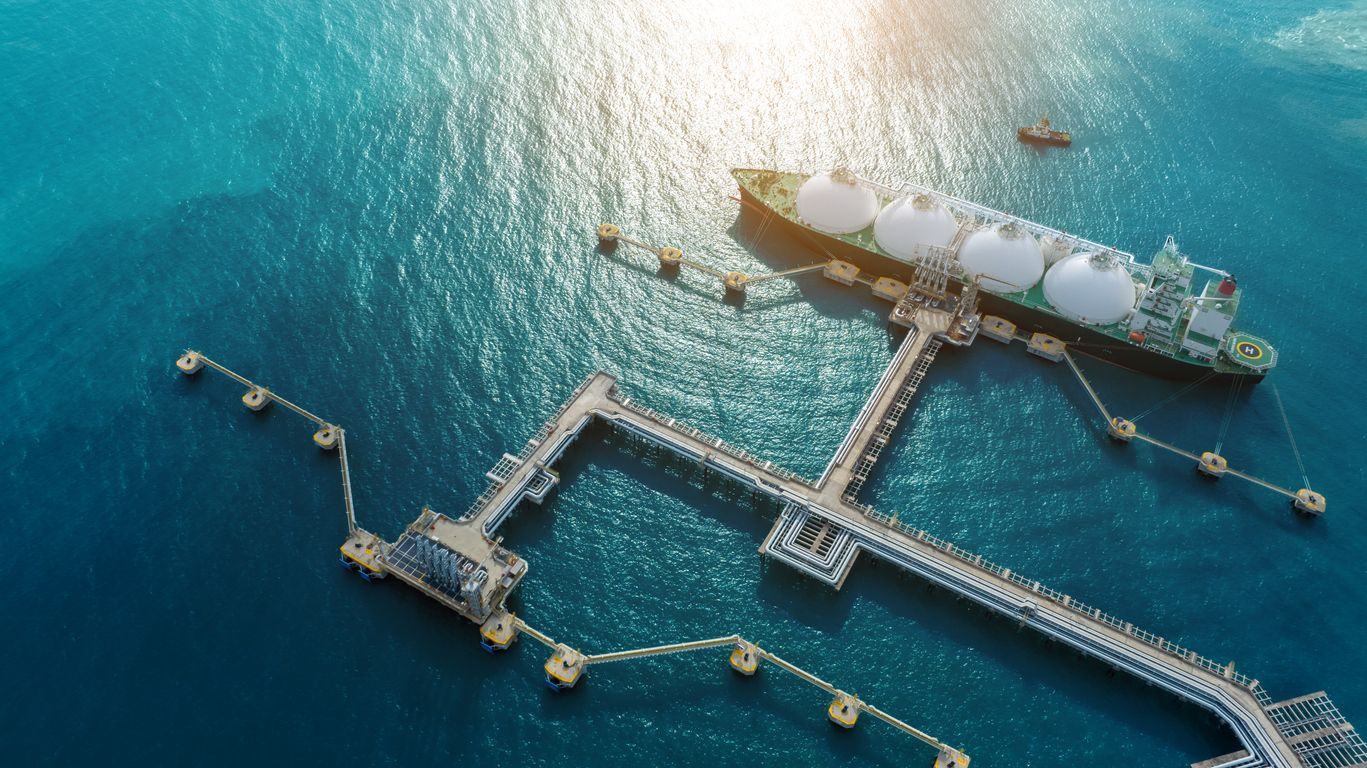
These ships act as temporary storage facilities at sea. Instead of unloading the cargo right away, traders keep crude oil onboard while waiting for more favorable market conditions, refinery demand, or logistical availability.
Charter rates determine the daily or monthly cost of keeping the vessel in storage service. Because tanker supply and oil market conditions fluctuate, floating storage crude oil charter rates can vary significantly over time.
Why Floating Storage Is Used in the Oil Market
Floating storage becomes attractive under several market conditions.
Oil Market Contango
One of the most common drivers is contango, a market structure where future oil prices are higher than current spot prices.
In this situation, traders may purchase crude oil at a lower price, store it offshore, and sell it later at a higher future price. Floating storage allows them to capture this price difference.
However, the strategy only works if the expected profit exceeds floating storage crude oil charter rates, along with insurance and operational costs.
Limited Onshore Storage Capacity
Another key factor is the availability of land-based storage tanks. During periods of oversupply, such as global production surges or demand shocks, storage terminals may reach capacity.
When this happens, traders and producers turn to offshore storage using tanker vessels.
Logistical Delays and Supply Chain Disruptions
Port congestion, refinery maintenance, or shipping bottlenecks can also lead to temporary offshore storage. Rather than divert cargo elsewhere, operators may keep oil on a vessel until receiving terminals become available.
For companies involved in large-scale oil distribution, managing these delays effectively is essential to maintaining supply chain stability.
Factors That Influence Floating Storage Crude Oil Charter Rates
Several market dynamics determine how much it costs to charter vessels for floating storage.
Tanker Supply and Availability
The number of tankers available in the global fleet plays a major role in setting charter rates. If many ships are already committed to transportation or storage contracts, available vessels become scarce and prices rise.
Conversely, when shipping demand is low, charter rates typically decline.
Global Oil Production and Demand
Changes in oil production and consumption directly influence floating storage demand.
For example:
-
Increased production can lead to excess supply
-
Reduced refinery demand can delay cargo deliveries
-
Economic slowdowns may reduce oil consumption
When these conditions occur simultaneously, floating storage demand often increases, pushing charter rates higher.
Freight Market Volatility
Shipping markets are inherently cyclical. Rates can change quickly due to geopolitical tensions, weather disruptions, or shifts in global trade routes.
Because floating storage crude oil charter rates are tied to the tanker freight market, they can fluctuate significantly within short periods.
Regional Storage Constraints
In some regions, storage capacity at oil terminals is limited or underdeveloped. This can make floating storage more common, especially in emerging markets or rapidly growing energy hubs.
Companies involved in oil imports across Africa and other developing markets often need flexible logistics strategies to handle these constraints.
Risks and Considerations When Using Floating Storage
While floating storage can offer strategic advantages, it also carries risks.
High Operational Costs
Beyond charter rates, floating storage requires additional expenses such as:
-
Insurance
-
Vessel maintenance
-
Crew costs
-
Financing charges
If market prices move unexpectedly, traders may lose the economic advantage they expected.
Regulatory and Environmental Compliance
Storing crude oil offshore must comply with maritime regulations and environmental standards. Improper storage practices can lead to safety concerns or regulatory penalties.
Companies working in international oil trade must ensure their shipping partners meet global compliance requirements.
Market Timing Risk
Floating storage strategies depend heavily on predicting future oil prices. If market conditions change before the oil is sold, the storage strategy may become unprofitable.
The Role of Logistics and Supply Chain Expertise
Managing crude oil logistics effectively requires coordination between shipping companies, storage operators, traders, and distributors. Market volatility and infrastructure limitations make planning even more complex.
Companies involved in oil distribution and energy supply chains benefit from working with experienced partners who understand international logistics and commodity trading.
Wigmore Trading supports businesses involved in large-scale commodity sourcing and distribution across global markets, including Africa. By coordinating logistics, storage options, and supply chain solutions, companies can better manage the challenges associated with crude oil transportation and storage.
Conclusion
Floating storage crude oil charter rates are an important indicator in global oil logistics and trading. These rates reflect the cost of using tanker vessels as temporary offshore storage when market conditions, supply disruptions, or infrastructure limitations make it necessary.
Understanding what drives floating storage demand—from oil market contango to tanker availability—helps traders and logistics professionals evaluate whether offshore storage strategies make economic sense.
As global energy supply chains continue to evolve, efficient logistics, storage planning, and risk management remain essential for companies involved in crude oil trading and distribution.
Wigmore Trading can help businesses navigate complex commodity logistics and sourcing challenges across international markets.
Contact Wigmore Trading today to streamline your sourcing.



Comments are closed.