
Choosing a Reliable Food Supply Company in Nigeria: What Businesses Need to Know

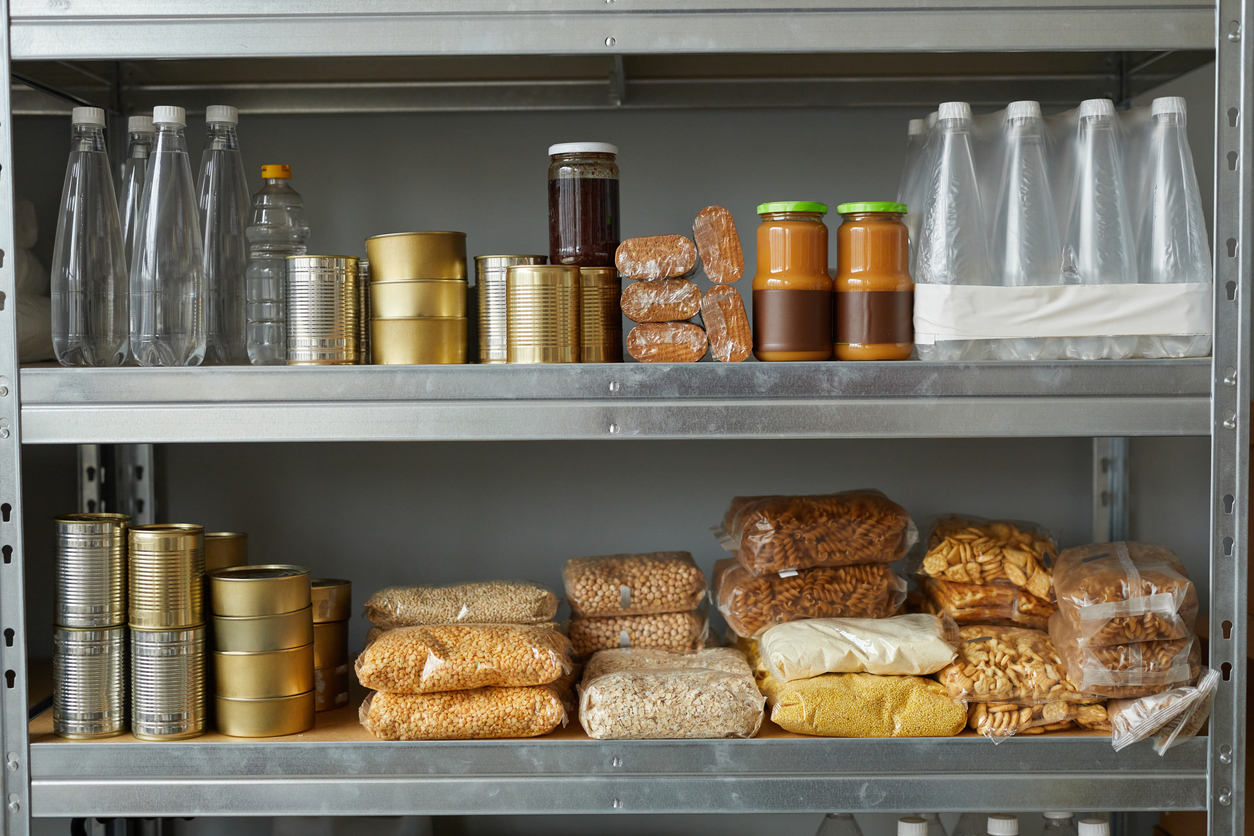
Nigeria’s fast-growing population and expanding food market have created significant demand for efficient and dependable supply chains. For retailers, wholesalers, restaurants, and FMCG distributors, working with a trusted food supply company in Nigeria is critical to maintaining product quality, meeting customer demand, and ensuring profitability.
This article explores what businesses should look for in a food supplier, common challenges in Nigeria’s food supply chain, and how to build a resilient sourcing strategy.
Understanding the Role of a Food Supply Company in Nigeria
A food supply company in Nigeria acts as a key intermediary between producers and businesses. These companies source, store, and distribute food products such as grains, packaged foods, beverages, and perishable goods.
Their responsibilities often include:
- Procurement from local and international producers
- Quality control and compliance with food safety standards
- Warehousing and inventory management
- Distribution and last-mile delivery
For businesses, partnering with a reliable supplier reduces operational complexity and ensures consistent access to quality products.
Key Challenges in Nigeria’s Food Supply Chain
Despite opportunities, the Nigerian food supply sector faces several structural challenges that businesses must navigate.
1. Inconsistent Supply and Seasonality
Agricultural production in Nigeria is often affected by seasonal changes, leading to fluctuating availability and pricing of key commodities.
2. Logistics and Infrastructure Constraints
Transport delays, poor road networks, and limited cold chain infrastructure can impact delivery timelines and product quality—especially for perishable goods.
3. Quality Control and Standards
Maintaining consistent quality across batches can be difficult, particularly when sourcing from multiple suppliers or informal markets.
4. Import and Regulatory Compliance
For imported food products, businesses must comply with regulations from agencies such as NAFDAC and customs authorities. Errors in documentation can lead to delays and additional costs.
What to Look for in a Food Supply Company in Nigeria
Selecting the right partner is essential for long-term business success. Here are key factors to consider:
Reliability and Consistency
A dependable supplier should provide consistent product availability and meet delivery timelines. This is especially important for businesses operating in retail and hospitality.
Strong Sourcing Network
An established food supply company in Nigeria should have access to both local producers and international markets, ensuring flexibility and competitive pricing.
Quality Assurance Processes
Look for suppliers with clear quality control systems, including proper storage facilities and adherence to food safety standards.
Logistics and Distribution Capabilities
Efficient warehousing and transportation systems are essential for timely delivery and product integrity. Companies with integrated logistics solutions can significantly reduce supply chain risks.
Regulatory Expertise
A knowledgeable supplier should understand import regulations, documentation requirements, and compliance standards to avoid disruptions.
How Wigmore Trading Supports Food Supply in Nigeria
For businesses seeking a reliable partner, Wigmore Trading offers end-to-end solutions across sourcing, logistics, and distribution.
Strategic Sourcing
Wigmore Trading works with vetted producers and manufacturers, both locally and internationally, to ensure consistent supply of high-quality food products.
Integrated Logistics
With experience in freight forwarding, warehousing, and distribution, Wigmore Trading helps businesses overcome infrastructure challenges and streamline delivery processes.
Compliance and Documentation
Navigating Nigeria’s regulatory environment can be complex. Wigmore Trading supports clients with import documentation, customs clearance, and compliance with relevant authorities.
Supply Chain Efficiency
By consolidating sourcing and logistics under one partner, businesses can reduce costs, improve efficiency, and focus on core operations.
Building a Resilient Food Supply Strategy
To succeed in Nigeria’s competitive market, businesses should adopt a proactive approach to supply chain management.
Diversify Suppliers
Relying on a single source increases risk. Working with a supplier that offers multiple sourcing channels can improve resilience.
Plan for Demand Fluctuations
Forecasting demand and maintaining buffer stock can help mitigate the impact of seasonal shortages.
Invest in Partnerships
Long-term relationships with trusted suppliers lead to better pricing, improved service, and greater reliability.
Leverage Technology
Inventory management systems and supply chain tracking tools can enhance visibility and decision-making.
Conclusion
Choosing the right food supply company in Nigeria is a critical decision that directly impacts business performance. From ensuring consistent product quality to navigating logistics and regulatory challenges, a reliable partner can make a significant difference.
By focusing on reliability, sourcing capabilities, logistics strength, and compliance expertise, businesses can build a more efficient and resilient supply chain.
Wigmore Trading can help. Contact Wigmore Trading today to streamline your sourcing.


Comments are closed.